
Last updated November 14, 2026
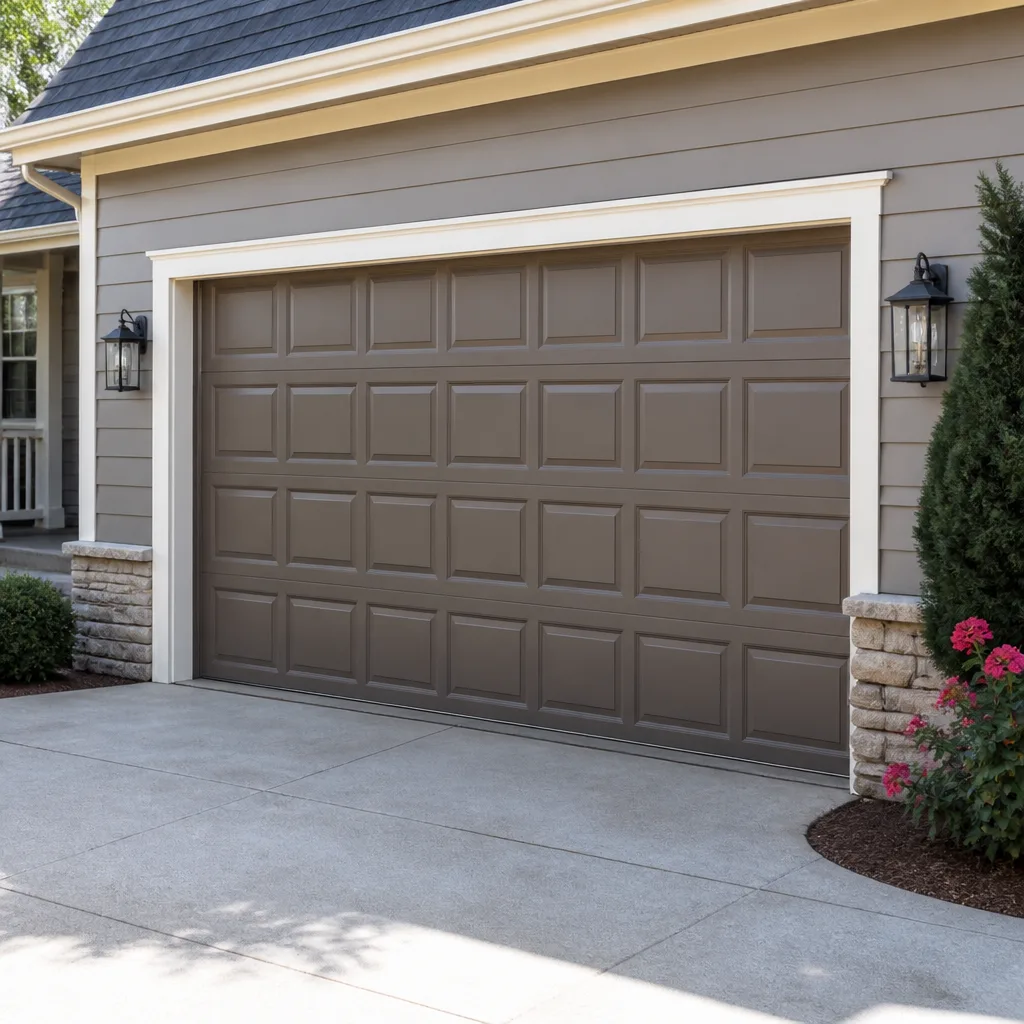 Raised-panel steel
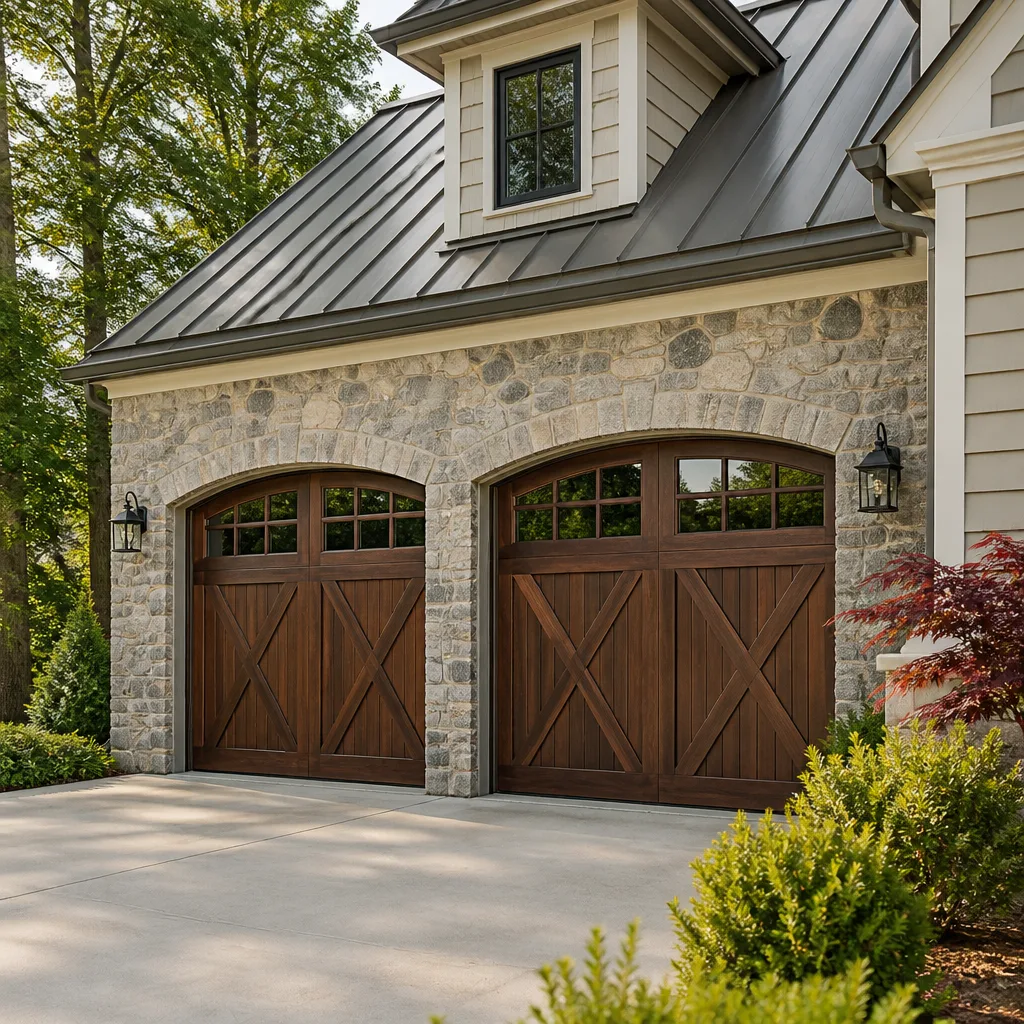 Carriage house
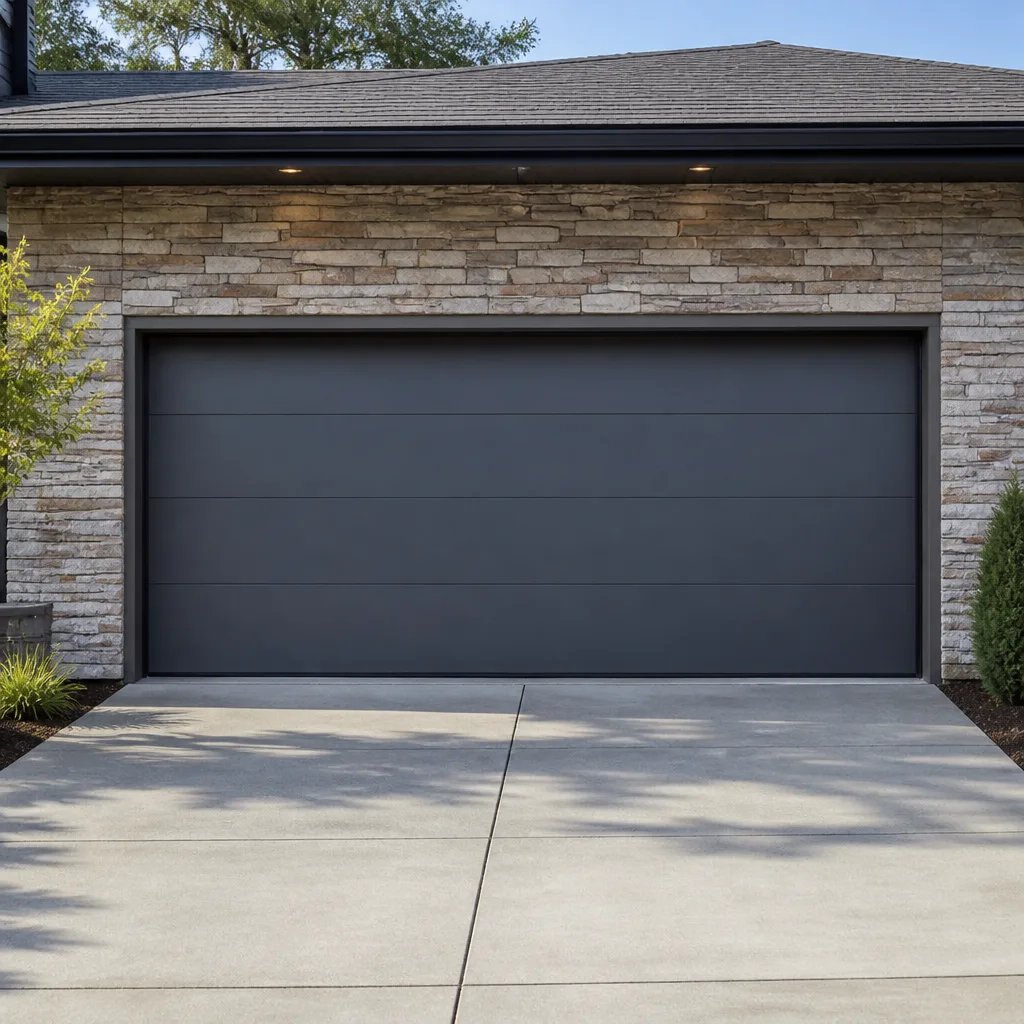 Modern flush
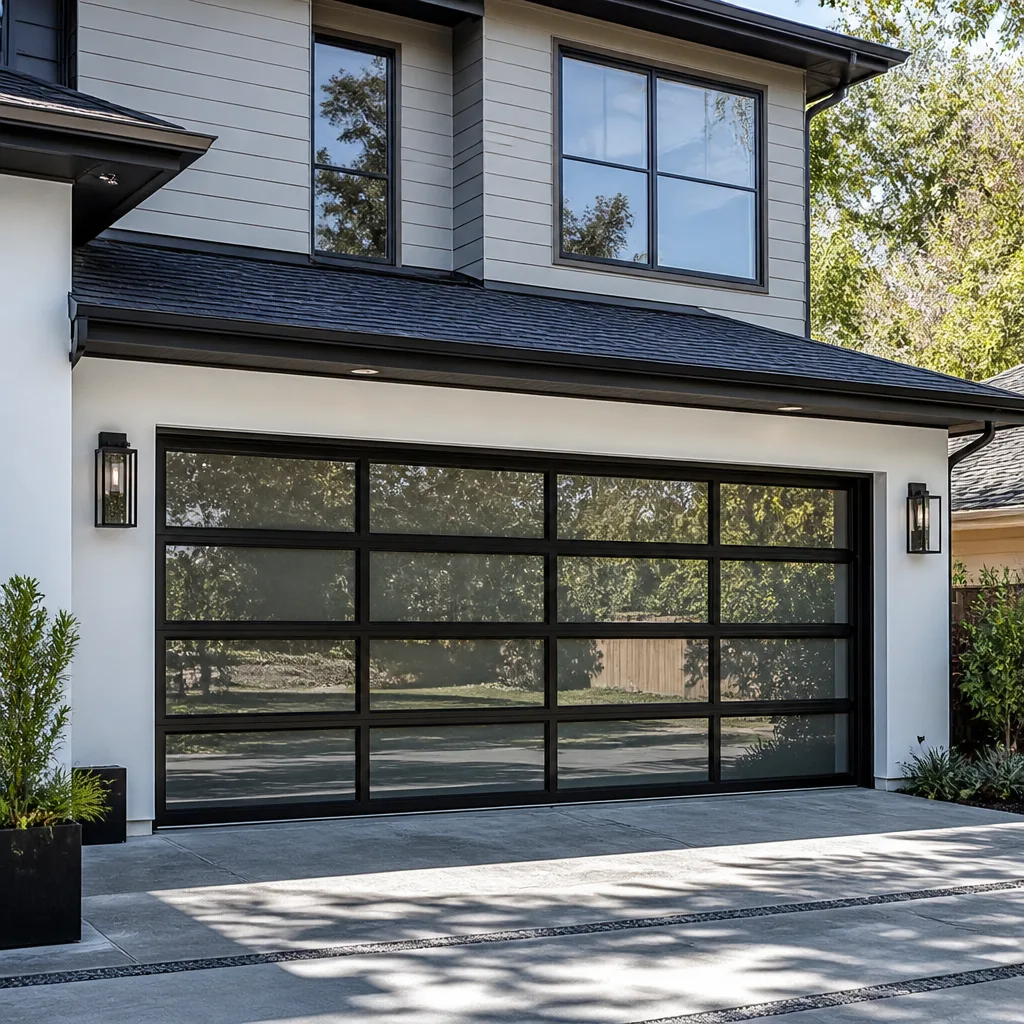 Full-view glass
 LiftMaster openers
 Chamberlain openers
Full 25-point door and opener safety check with every visit - springs, cables, rollers, tracks, and your LiftMaster or Chamberlain opener included
You get a price before we start. It does not change when the pro arrives.
Get your free estimateGarage Door Permits, Codes & Inspections in Buckeye, AZ: What You Need to Know
If you replaced your garage door without a permit and it required one, that unpermitted work shows up during a title search, and it becomes your problem to resolve, not the contractor’s who told you it wasn’t necessary. That’s the part most Buckeye homeowners never hear until they’re sitting at a closing table or filing a claim. The rules aren’t hidden, but they are scattered across city development services, county records, state building code, and HOA design review boards. Some door swaps need a permit and some don’t, and the line between them isn’t obvious. This guide pulls all of it into one place so you know exactly where you stand before you sign anything. We’ll cover the permit threshold, the City of Buckeye Development Services process, HOA overlays in communities like Verrado, what “to code” actually means here, and how unpermitted work follows you through insurance and real estate.
Quick Answer
In Buckeye, a garage door replacement usually requires a building permit when the door is part of a structural opening or affects fire separation and wind rating compliance, and a straight same-size swap can sometimes go without one, but the only reliable answer comes from the City of Buckeye Development Services department before work begins. Inspections verify the door and hardware meet Arizona code for wind load and attached-garage fire separation, and an HOA in a master-planned community may layer its own approval on top. If you’re unsure, ask the city and your HOA in writing, because the paperwork you skip now can surface during a future sale or claim.
Styles & brands we work with
- Raised-panel steel
- Carriage house
- Modern flush
- Full-view glass
- LiftMaster openers
- Chamberlain openers
Table of Contents
- Does a Garage Door Replacement Need a Permit in Buckeye?
- How the City of Buckeye Development Services Process Works
- What an Inspection Actually Covers
- HOA Overlay: Verrado, Tartesso, and Other Buckeye Communities
- What “To Code” Means for Garage Doors in Arizona
- How Unpermitted Work Affects Insurance and Home Sales
- Repairs vs. Replacements: What Needs Paperwork
- Common Mistakes to Avoid
Does a Garage Door Replacement Need a Permit in Buckeye?
The short answer: it depends on whether the work stays a straight swap or crosses into anything structural, and the deciding factor usually comes down to size, wind rating, and fire separation.
The most important thing to understand is that a permit is not automatically required every time a garage door comes down. Arizona doesn’t treat every door change as new construction. What triggers the permit is the risk category the work falls into: does it disturb the framing, change the opening size, or affect the fire-rated separation between the garage and the living space? Those are the areas a building department cares about because they tie to life safety and structural performance.
In practical terms across Buckeye:
- Same-size swap, same material, same hardware type – often doesn’t require a permit, but this is exactly the situation where you want the city to confirm in writing rather than assume. A contractor telling you “it’s fine, no permit” isn’t the authority. The building department is.
- Change in door size, opening, or header – this is structural and requires a permit and inspection, no exceptions.
- Change in door type or wind-rated assembly – if the door’s wind rating changes relative to what’s on record, expect a permit and an inspection tied to the rating documentation.
- Conversion of the garage to living space or enclosure of the opening – a permit is mandatory and involves fire separation review.
- Replacement after damage – depends on scope. A like-for-like replacement on existing framing may be treated as repair, but any rebuilt framing pulls the project into permit territory.
Here’s the part that trips people up. Buckeye’s newer neighborhoods have grown quickly, and older records for some properties aren’t always as clean as they could be. If you buy a house where the previous owner replaced a door, there may be no paper trail either way. When you’re the one doing the work, that’s your chance to get it right. For the work itself, our garage door repair technicians regularly handle jobs where the permit question comes up mid-project and we can tell you exactly what the scope looks like so you can make the call to the city with clear information.
One more thing: never take a verbal “you don’t need a permit” as gospel. City development services will tell you directly, and their answer is the one that matters. If a contractor pressures you to skip the permit because it “slows things down,” that’s your cue to slow down.
How the City of Buckeye Development Services Process Works
The City of Buckeye Development Services department handles building permits and inspections for residential work, and the garage door process follows the same channel as any other residential permit. You’re not dealing with a special department; you’re dealing with the standard building permit pipeline, and knowing what that looks like saves a lot of back-and-forth.
Here’s the general sequence, and it applies whether you’re managing it yourself or a contractor is handling it on your behalf:
- Confirm whether a permit is required. Call or check with Development Services before anything is ordered or installed. Describe the exact scope: door size, material, whether framing is touched, whether the opening changes. Get the answer in writing if you can.
- Prepare the application. A residential garage door permit typically asks for property details, a description of the work, and in many cases product specifications including the wind rating of the door and hardware you’re installing. If your door is a Clopay or Amarr model, the manufacturer’s spec sheet is what the city will want to see.
- Submit and pay the permit fee. Fees vary by scope and valuation. This is separate from your installation cost and belongs in your project budget from the start.
- Schedule the inspection. Most residential garage door inspections are scheduled after installation is complete and the door is functional. You or your contractor request the inspection, and an inspector comes out to verify the installation matches the permit.
- Get the sign-off. Once the inspection passes, the permit is closed on the record. That closed permit is the document that protects you later.
Typical timelines in Buckeye vary with the department’s workload. A straight residential permit with complete documentation generally moves faster than one with missing specs or a scope change. If your door needs wind-rated hardware and the spec sheet isn’t included, expect a delay while the city asks for it. Submitting a complete package the first time is the single biggest thing that speeds the process.
If you want to keep things simple, ask the installing company whether they’ll pull the permit as part of the job. Some do, some don’t, and some push the responsibility back to you. Brightline’s installation work can be scoped so you know exactly what’s included before the door is ordered, which means the permit question gets answered at the estimate stage rather than after the door is on the truck. For full replacements in and around Buckeye, that clarity matters more than people expect.
What an Inspection Actually Covers
An inspector isn’t just looking to see a door hanging in an opening. The inspection confirms the installed door and hardware match the permitted scope and that the assembly meets the code requirements tied to your home. It’s a check on the whole installation, not a spot-check of one thing.
What inspectors typically verify:
- Door and hardware match the permit. The model, size, and wind rating on the installed door need to line up with what was submitted. If you switched brands or models mid-project without updating the permit, expect a correction.
- Proper attachment and fastening. Tracks, brackets, and spring hardware need to be anchored correctly to structure, not just to drywall or trim.
- Fire separation integrity. For attached garages, the wall and door assembly separating the garage from living space must maintain its fire-rated integrity. This is where the type of door and how it’s hung matters.
- Wind rating compliance. In a wind-rated application, the door assembly, reinforcement, and hardware need to match the documented rating. Inspectors verify the assembly is installed per the manufacturer’s instructions for that rating.
- Clearance and function. The door travels cleanly, the opener (if present) works, and any safety features are in place.
If something doesn’t pass, the usual outcome is a correction notice. You fix the issue, request a re-inspection, and the permit closes once it passes. It’s not a disaster, but it does cost extra time, and in some cases extra fees for the re-inspection itself. Getting it right the first time is cheaper and faster.
The trick is that a well-installed door almost always passes first time when the paperwork and the hardware are in sync from the start. That’s the part a garage door specialist controls. We’ve seen plenty of Buckeye installations where the door itself was fine but the permit documentation or the wind-rated hardware spec was the source of the problem. If you’re installing a new opener alongside a door, our garage door opener repair team can confirm whether the opener’s drive and safety hardware factor into your permit scope.
HOA Overlay: Verrado, Tartesso, and Other Buckeye Communities
If you live in one of Buckeye’s master-planned communities, the city permit isn’t the end of the approval process. Your HOA gets a say on anything visible from the street, and a garage door is very visible from the street. Verrado and Tartesso both have architectural review requirements, and other communities across Buckeye operate the same way. Two approvals, two separate processes, and skipping the HOA one can get you a letter asking for the door to be taken down even if the city signed off.
The HOA layer usually covers:
- Color and finish. A specific palette is often required, and a door you love in the showroom may not match what your community allows.
- Material and panel style. Some associations restrict certain panel patterns or materials as part of the neighborhood’s look.
- Window configuration. Window placement and style on the door often need to match the original design or be approved in advance.
- Visible hardware. Anything beyond standard hinges and handles may require an approved submittal.
The practical order is this: get the HOA architectural approval first, then confirm the city permit, then order the door. If you order first and the HOA comes back asking for a different color, you’re absorbing the cost of a return or a repaint. Submitting before you buy avoids that entirely.
In Verrado, the design standards are part of the neighborhood’s identity, and the review process is treated seriously. In Tartesso and similar communities, the standards exist but tend to be more lenient about style choices as long as the material and color are approved. Either way, the submittal is usually straightforward: a photo or rendering of the proposed door, the model and color, and confirmation it matches the manufacturer’s catalog. Once approved, that written approval is worth keeping with your home records alongside your city permit sign-off.
For homeowners planning a full door replacement, our Brightline Garage Door Repair installation work runs across multiple brands, including LiftMaster openers and Clopay doors, so there’s room to find a door that satisfies both the code and the HOA’s design expectations rather than fighting one against the other.
What “To Code” Means for Garage Doors in Arizona
“To code” gets thrown around a lot, and most of the time it’s shorthand for “we think this is fine.” The actual meaning is narrower: the installed door assembly meets the specific requirements that apply to your home. In Buckeye, that usually comes down to two big areas, wind performance and fire separation.
Wind Load Requirements
Arizona building code requires garage doors in many applications to be installed with a wind rating appropriate to the design wind speed for the area. That’s not a general “good door” standard; it’s a specific rating a door carries against a defined load. For a wind-rated installation, three things have to line up:
- The door itself is rated for the required load.
- Any reinforcement required for that rating is installed.
- All mounting hardware and fasteners are installed per the manufacturer’s instructions for that rating.
A door that’s rated correctly but hung with the wrong brackets doesn’t meet the requirement. This is exactly the kind of detail that separates a compliant installation from one that fails an inspection, and it’s why the spec sheets matter so much during the permit process.
Fire Separation for Attached Garages
An attached garage shares at least one wall with living space, and building code requires that separation to resist fire long enough for occupants to get out. This is why the door material matters in replacement, and why enclosing a garage opening or converting the space triggers a permit review. If your door replacement involves any change to the wall or opening between the garage and the house, the fire separation is part of the scope and part of the inspection.
Track, Spring, and Hardware Safety
The high-tension springs that counterbalance a garage door hold enough stored energy to cause serious injury if they let go while you’re working near them. Any code-compliant installation includes the correct spring specification and safety containment for the weight of the door, and it’s a job for a trained professional, not a weekend project. The same goes for a torsion assembly under load and for opener drive hardware with a spring under tension. We say this plainly because we’ve seen the aftermath of do-it-yourself spring work, and it’s not worth the risk for the cost of a service call.
How Unpermitted Work Affects Insurance and Home Sales
This is the part homeowners don’t think about until it’s too late. Unpermitted garage door work doesn’t just sit quietly; it can follow you into an insurance claim or a home sale years later.
Insurance Claims
When you file a claim tied to the garage door – wind damage, a failed installation, an injury involving the door mechanism – your insurer will look at the installation records. If the door was replaced without a required permit, the insurer can treat the work as non-compliant. Depending on your policy language, that can reduce or complicate a payout. Insurers differ, so the specifics depend on your coverage, but the general rule holds: a documented, permitted installation is the cleaner position every time. Some policies renew or requote after a significant change, so keep the permit record with your home file.
There’s also the disclosure question. If you sell your home and the buyer’s inspector flags that a replaced garage door carries no permit record while other similar replacements in Buckeye do, you may be asked to disclose an unpermitted improvement. That’s a conversation nobody wants during escrow, and it’s entirely avoidable by keeping the paperwork.
Real Estate Transactions
During a home sale, a title search and a buyer’s inspection turn up permit history. If the garage door replacement sits in a gap, the buyer’s agent will ask for documentation. If it isn’t there, options are usually limited: pull an after-the-fact permit (which can require inspection and possibly correction of the work), disclose the work as unpermitted, or negotiate a credit. None of those are cheaper than doing it properly the first time, and the cost falls on the seller.
The good news is that the fix is simple in most cases. Get the permit, get the inspection, keep both on file with your other home documents. It’s the least glamorous part of the job and the most useful.
Repairs vs. Replacements: What Needs Paperwork
Most garage door work that homeowners call about is repair, not replacement, and repair almost never triggers a permit. The permit question attaches to structural changes and code-relevant replacements. Here’s how it breaks down in practice:
Repair Work: Generally No Permit
- Spring replacement (one spring or a matched pair)
- Cable replacement
- Roller, hinge, and bracket replacement
- Opener repair or opener unit replacement, when no structural change is involved
- Panel replacement with a matching panel, same size
- Track adjustment or realignment
Serving the door hardware or the opener drive system covers the two most common failure points, and most of what our technicians handle in Buckeye falls into this category. That’s the work we specialize in, and it doesn’t involve pulling a permit.
Replacement Work: Permit Often Required
- Full door replacement with a change in size or style that affects the opening
- Door replacement that changes the wind-rated assembly or hardware spec
- Framing, header, or jamb changes
- Conversion of the garage to living space, or enclosure of the opening
- Replacement after damage where framing is rebuilt
For the “sometimes” cases, the honest answer is that a straight swap of the same door with the same hardware can go either way depending on the jurisdiction’s current interpretation. That’s why the first step in every replacement project is confirming scope with the city. We work across the brand already in your garage, including LiftMaster, Chamberlain, Craftsman, and Raynor systems, and the recommendation is driven by what the door needs rather than what a single manufacturer wants to sell. If a replacement is on your radar, getting an accurate scope and a written estimate up front means the permit conversation happens before anything is ordered.
Common Mistakes to Avoid
- Believing “you don’t need a permit” from a contractor. A contractor’s opinion isn’t a permit. The City of Buckeye Development Services makes that call, and their answer is the only one that closes the record. If a contractor downplays it, get a second opinion from the city directly.
- Getting the HOA approval after the door is installed. In Verrado, Tartesso, or any other Buckeye community with architectural review, the submittal needs to be approved before the door goes up. Reversing an unapproved door is far more expensive than submitting a form.
- Ordering a door before checking the wind rating spec. A door that’s rated for a lower load than what your home requires will fail inspection, and it’s an expensive swap to correct. Match the spec to the permit requirements from the start.
- Changing the model mid-project without updating the permit. Inspectors verify the installed door matches what was submitted. A quiet model change blows up at inspection time.
- Skipping the permit because it “was just a small job.” Unpermitted work shows up in the record regardless of size, and the buyer’s agent during a future sale will ask about it. Small never stays small once it’s in escrow.
- Not keeping the sign-off. The closed permit and the inspection sign-off are the documents that protect you years later. A file folder with the door’s paperwork in it is worth more than a saved few dollars today.
- Attempting a spring or cable replacement yourself. High-tension springs and cables are genuinely dangerous, and there’s no version of that job that’s worth a serious injury. A garage door specialist handles it safely and per code.
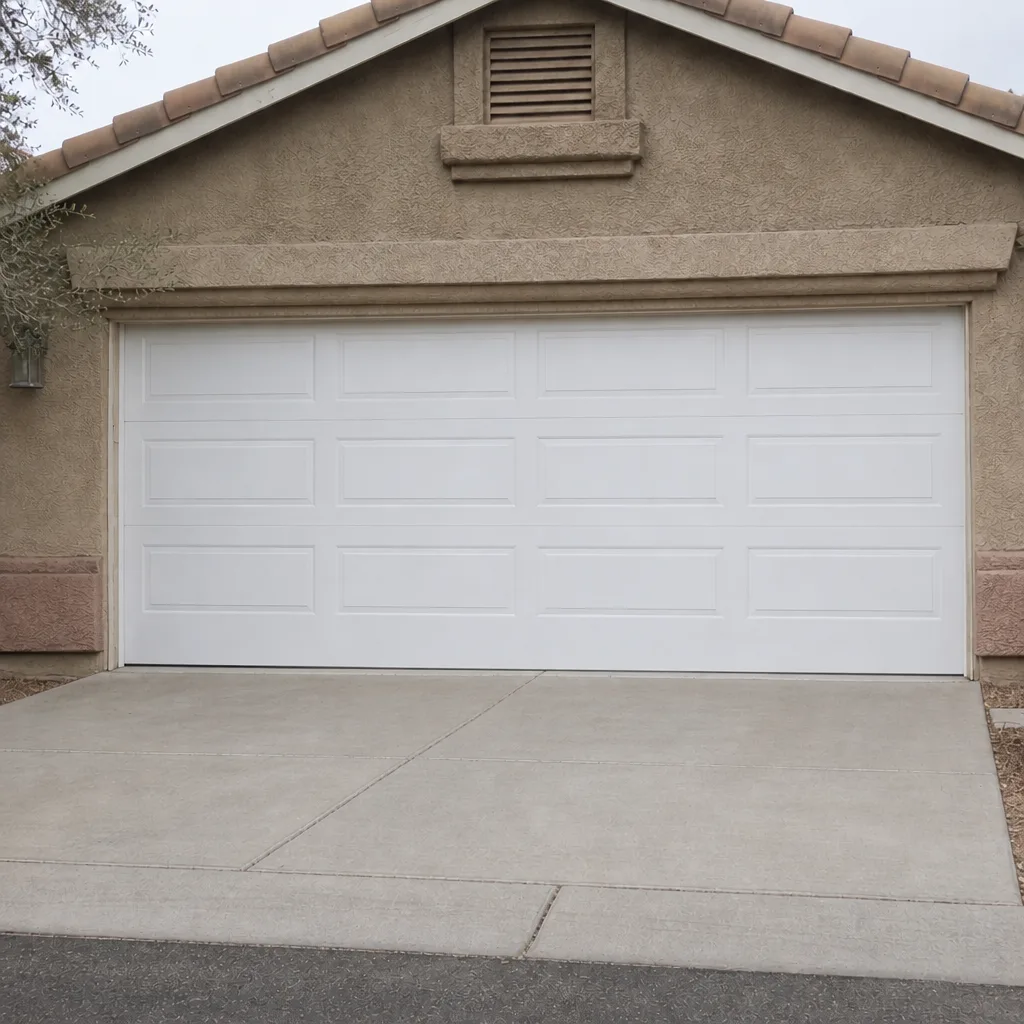
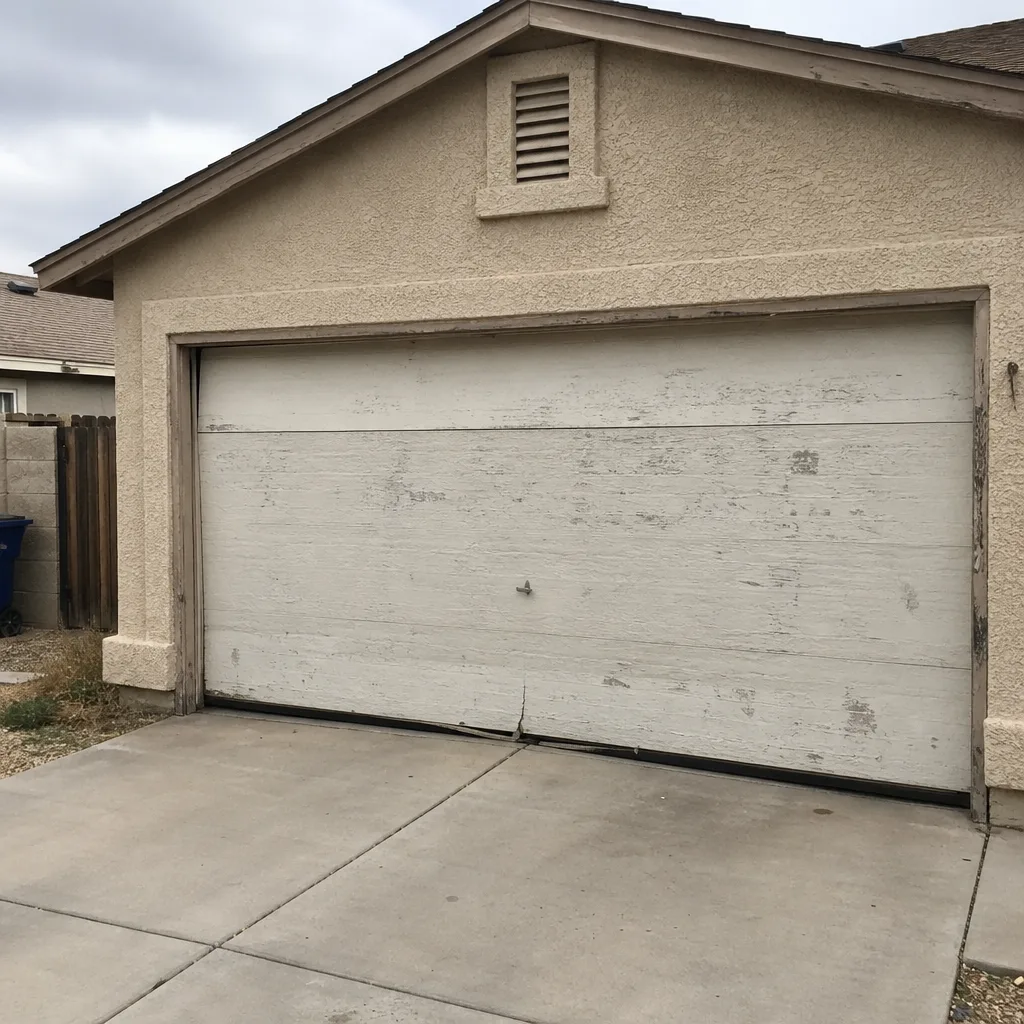
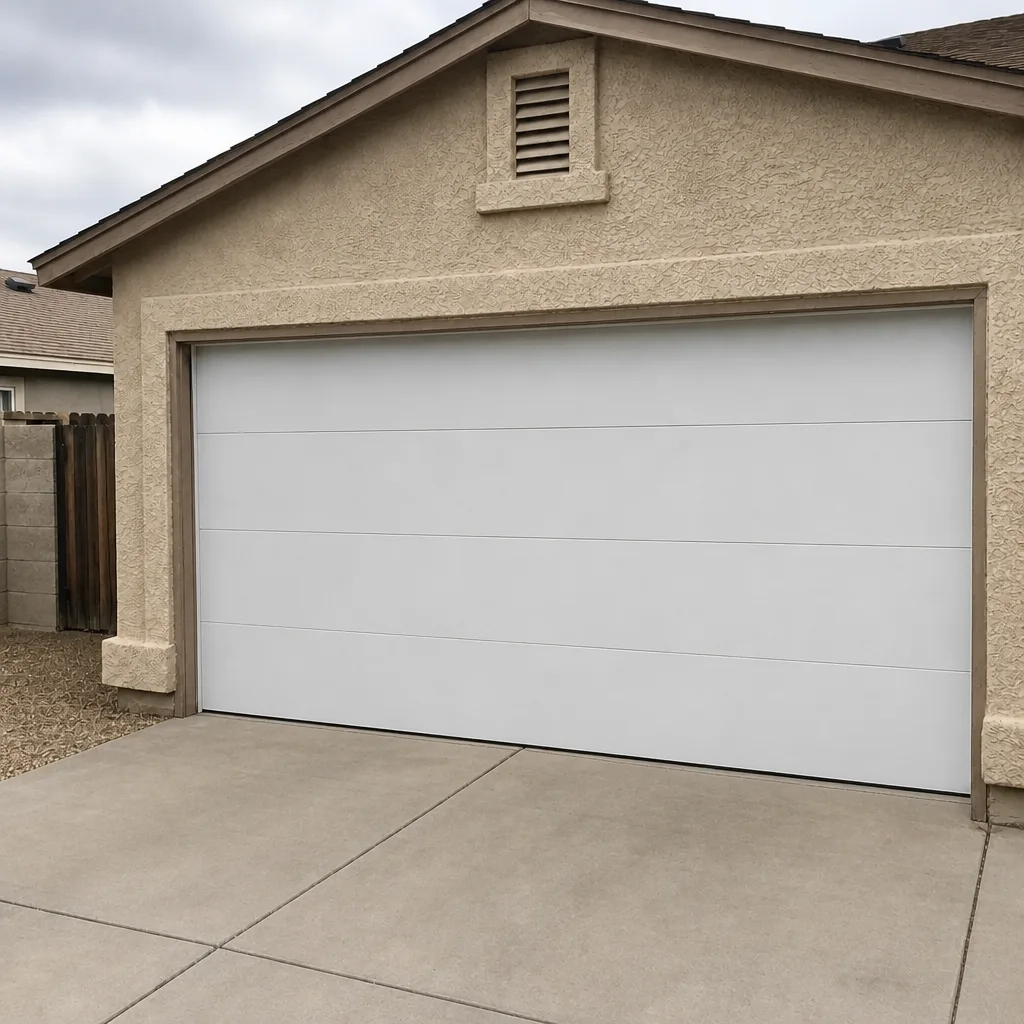
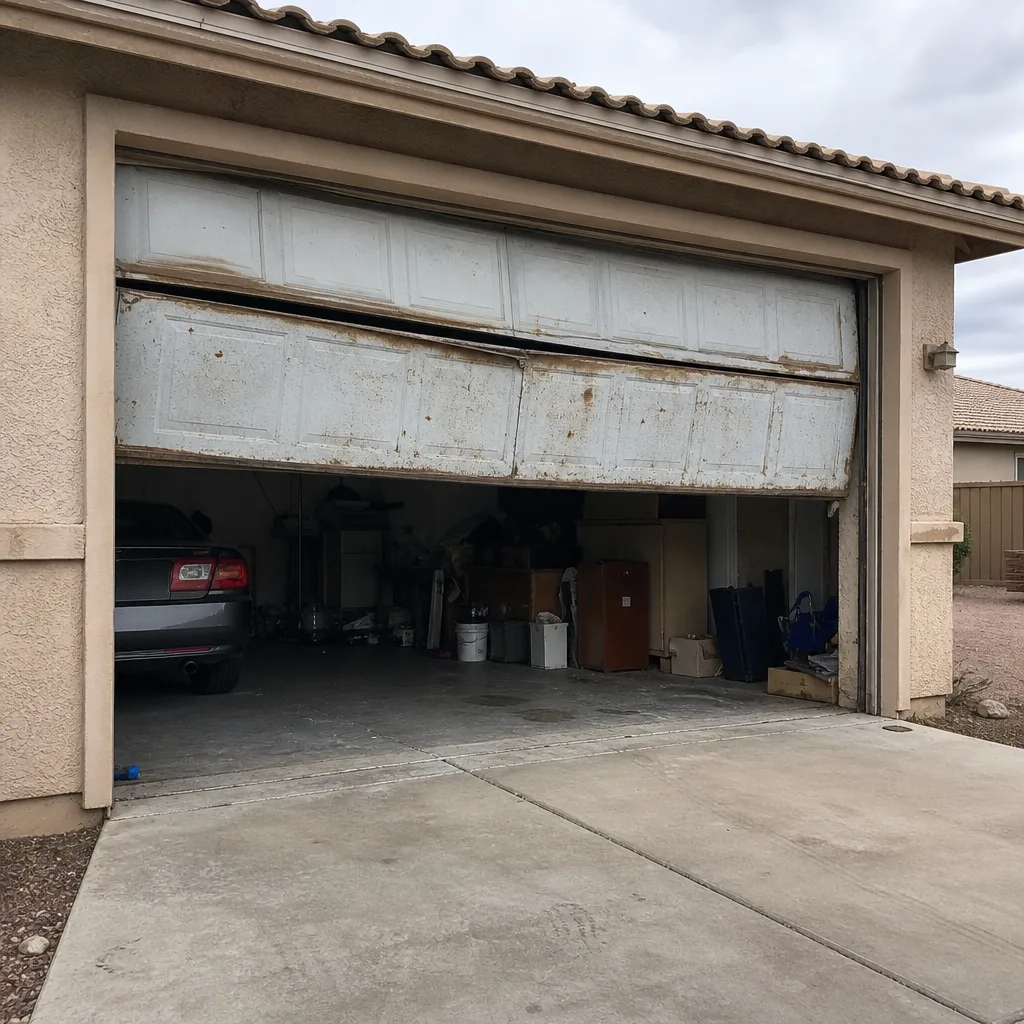
See the difference
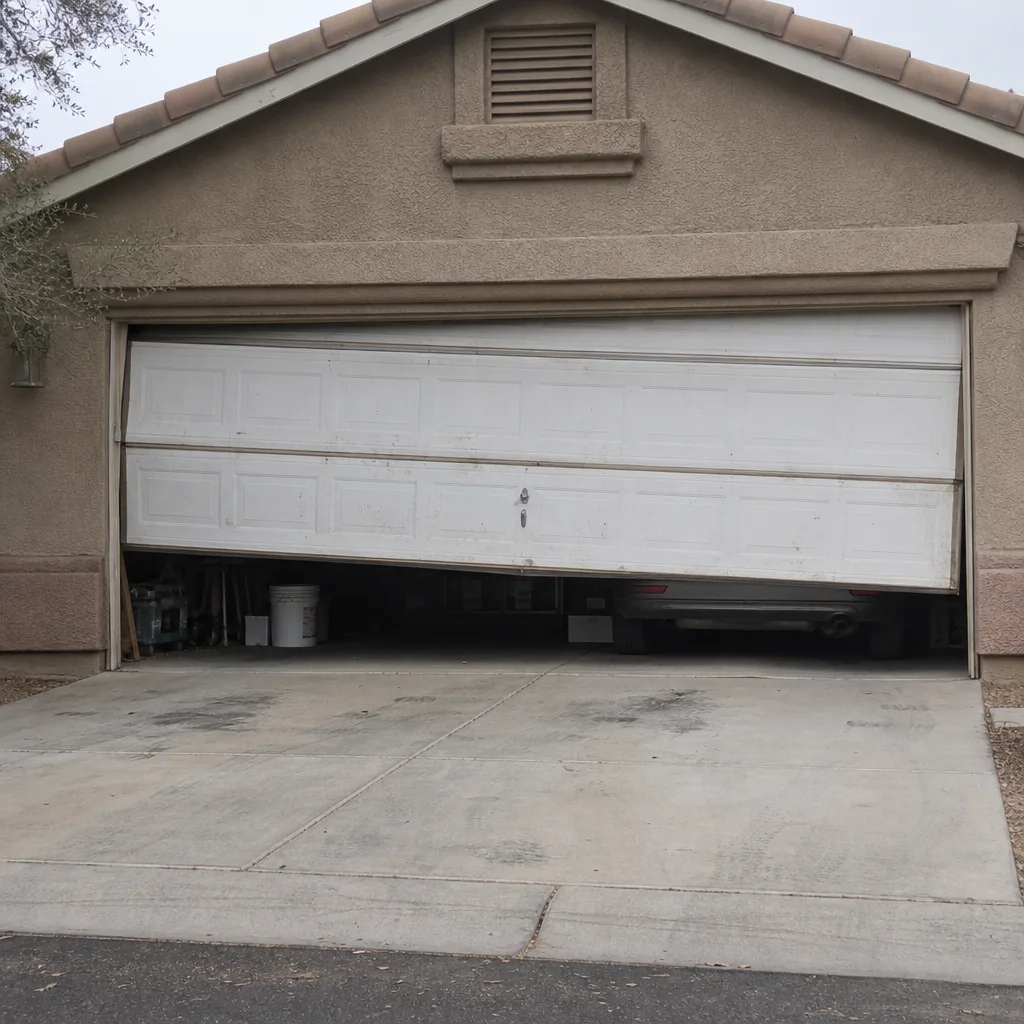 Before
 After
 Before
 After
 Before
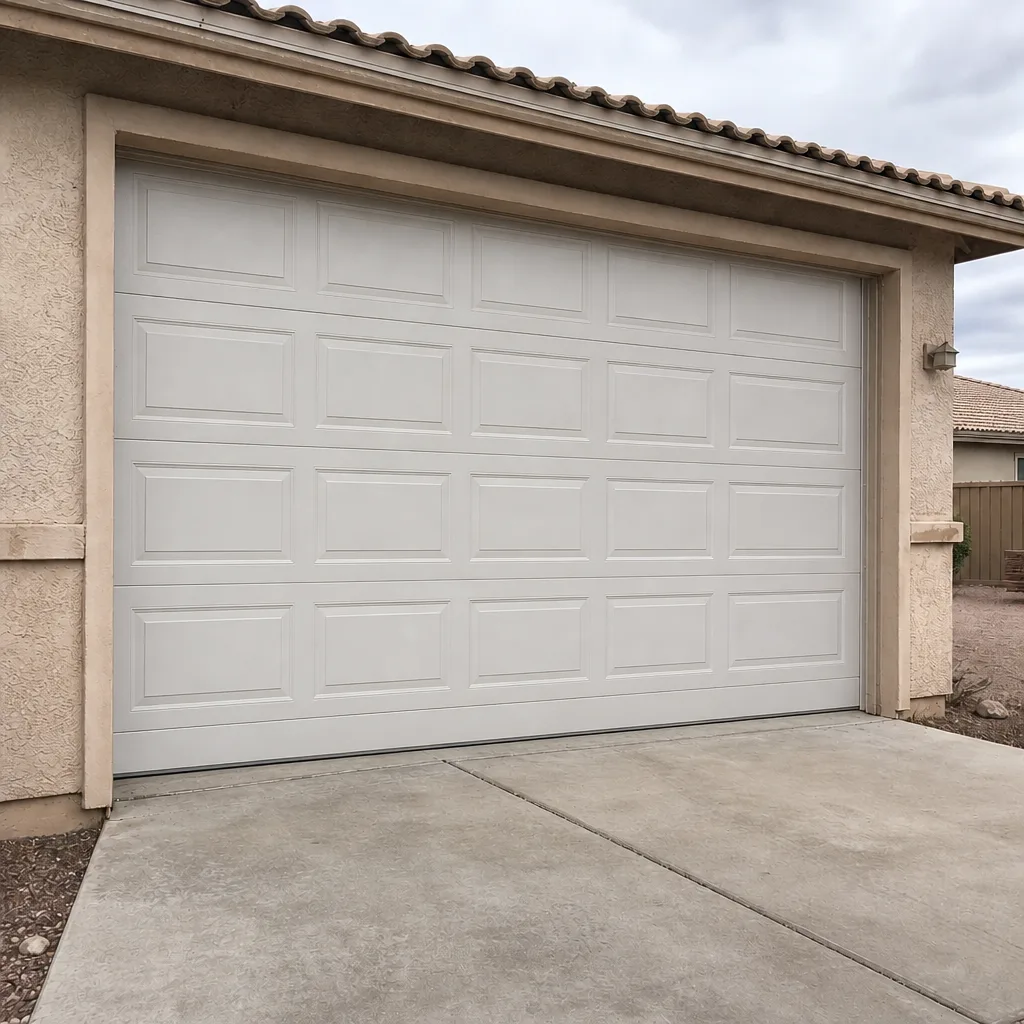 After
When to Call a Professional
Most permit and code questions come down to one thing: an accurate scope before anything is ordered or installed. If your door needs replacement and you don’t know whether it crosses the permit threshold, one call to a specialist who handles this every day can save weeks of confusion. If a spring has snapped, a cable has failed, or a door won’t stay on the track, that’s repair work and warrants a trained technician on-site, not a DIY attempt. If your door failed an inspection or your HOA came back asking for a change, we can look at what’s installed and tell you exactly what needs to be different. For homeowners with a dead opener or a door that won’t close, our garage door repair specialists can diagnose the issue and get the door working safely. Brightline Garage Door Repair offers free estimates in Buckeye – call (833) 519-6766.
Frequently Asked Questions
Maybe, and it depends on the scope. A same-size swap of the identical door and hardware often doesn’t require a permit, while anything that changes the opening size, touches framing, or alters the wind-rated assembly does. The only reliable answer comes from the City of Buckeye Development Services department before work starts. Call (833) 519-6766 for a free estimate on the installation itself – we’ll help you scope it before you call the city.
An inspection verifies the installed door and hardware match the permitted scope and meet code for your home. That includes proper fastening and attachment to structure, fire separation between an attached garage and living space, compliance with the wind rating on the permit, and that the door functions safely. Corrections are fixable but add time, so getting the documentation right the first time is worth the effort. Call (833) 519-6766 if you need a scope review before you submit.
Timelines vary with the department’s workload and the completeness of your submittal. A clean residential permit with complete product spec sheets generally moves faster than one with missing documentation, and a scope change resets the clock. Submit a complete package, including wind rating documentation, and follow up with Development Services if you don’t hear back. For help assembling the installation details the city asks for, call (833) 519-6766.
Yes, in most cases. Buckeye’s master-planned communities typically require architectural review for anything visible from the street, and a garage door qualifies. Submit the color, material, and style to your HOA before you order the door. The written approval is separate from the city permit and is worth keeping with your home records. Call (833) 519-6766 if you want help identifying door options that fit both the HOA design standard and your home’s wind rating.
Unpermitted work stays on the record as a gap, and it can surface during an insurance claim or a future home sale. An insurer may treat a non-compliant installation as a factor in a claim, and a buyer’s inspector can ask for documentation during a sale. The fix is usually to pull an after-the-fact permit, which may require inspection and correction of the work. Easier to start with the permit in the first place – call (833) 519-6766 for a free estimate if you’re planning a replacement.
No. Spring replacement, cable replacement, panel swaps of the same size, and opener repair or unit replacement don’t involve structural changes and are treated as repair work. That distinction matters because most of what our technicians handle day to day is this kind of repair. If a spring has failed or an opener has quit, call (833) 519-6766 – we answer 24/7, with fast dispatch from 7am to 7pm, Sunday through Friday.
The Bottom Line
Garage door permits in Buckeye aren’t as complicated as they look once you separate repair from replacement. Repair work – springs, cables, rollers, openers – almost never needs a permit. Replacement work often does, especially when it touches framing, changes the opening size, or alters the wind-rated assembly. The two rules that save homeowners the most trouble: confirm the permit question with City of Buckeye Development Services before anything is ordered, and get HOA approval before the door goes up if you live in Verrado, Tartesso, or another community with architectural review. Keep the permit and the inspection sign-off with your home records; that paperwork is what protects you during a future insurance claim and a home sale. Get the scope right, get the permit, keep the file.
Call (833) 519-6766 for a free estimate. We answer 24/7. Fast dispatch from 7am to 7pm, Sunday through Friday. Whether you’re weighing a replacement in Buckeye or just want a repair scoped accurately, we’ll give you a written estimate before any work starts, and we work on the brand already in your garage, not the one we’re trying to sell you.
Written by the team at Brightline Garage Door Repair.