
Last updated November 14, 2026
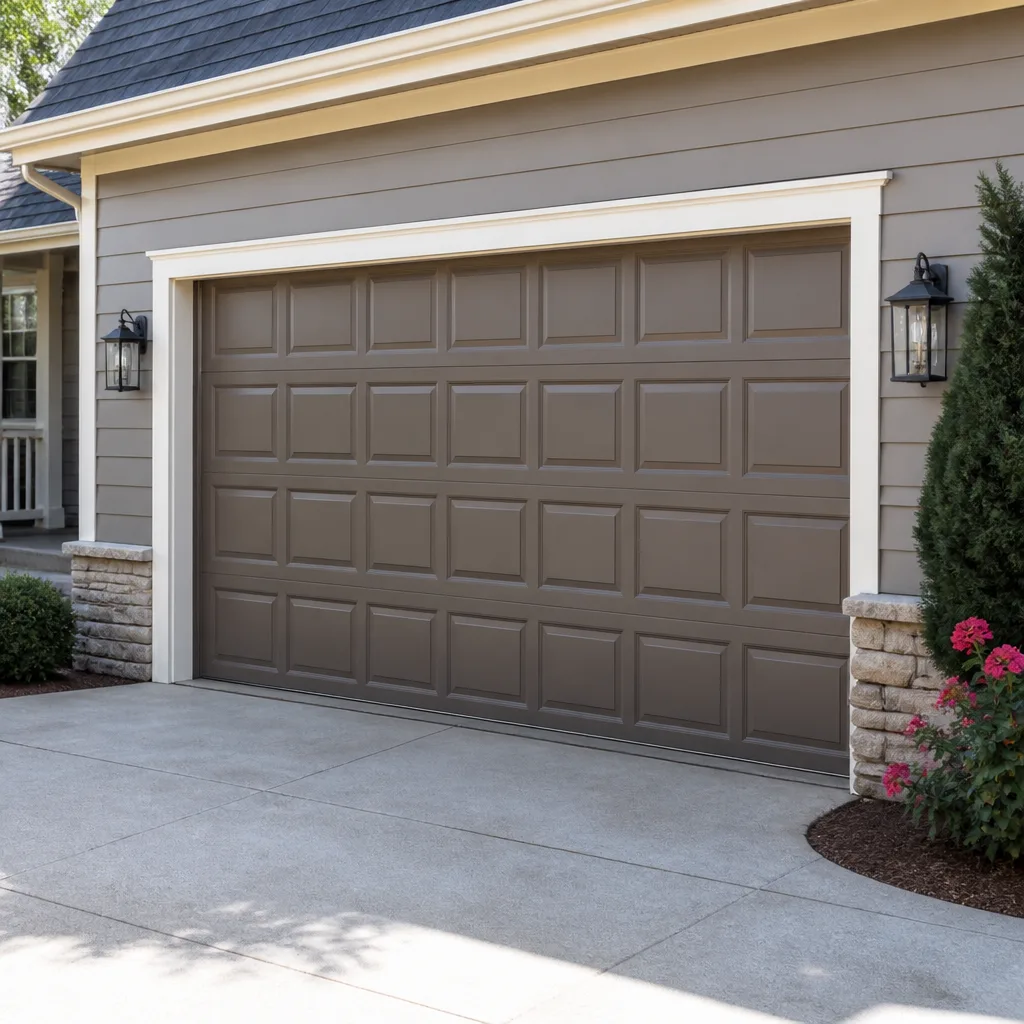 Raised-panel steel
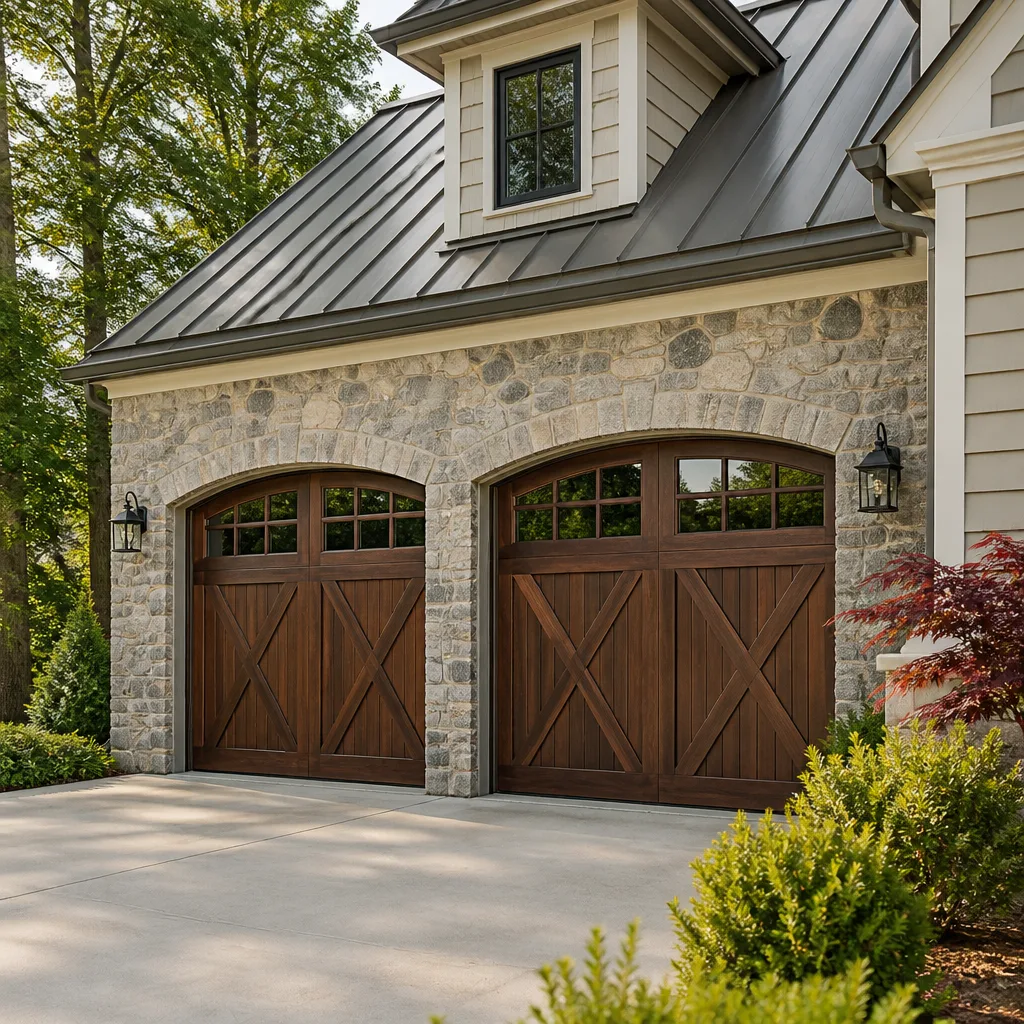 Carriage house
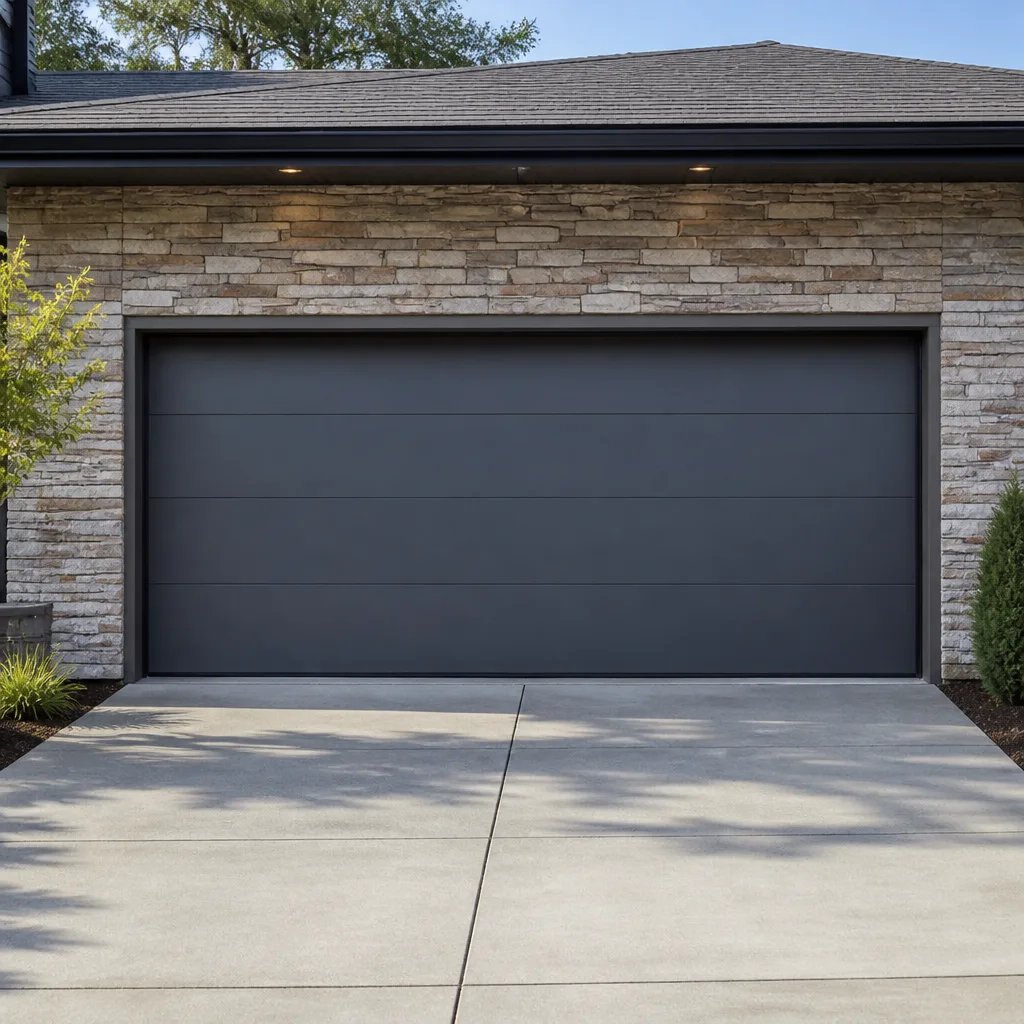 Modern flush
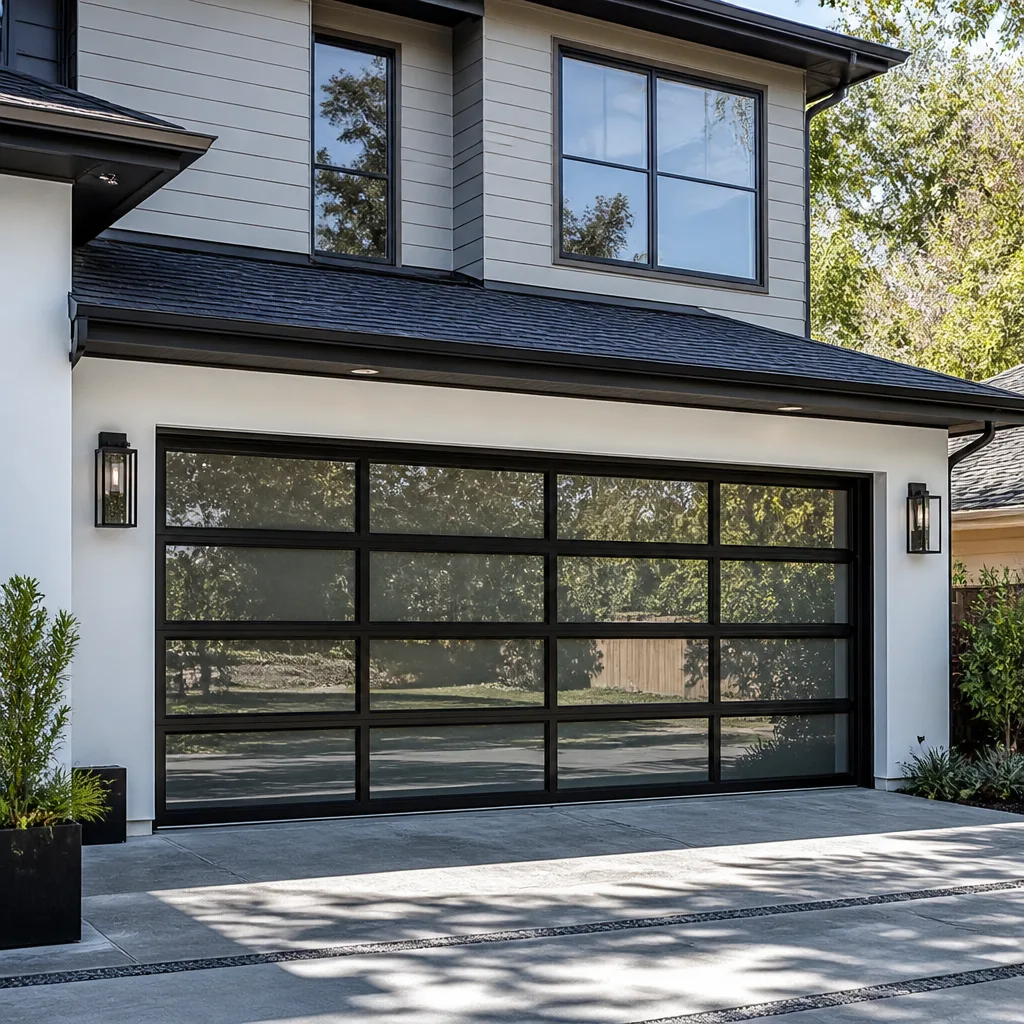 Full-view glass
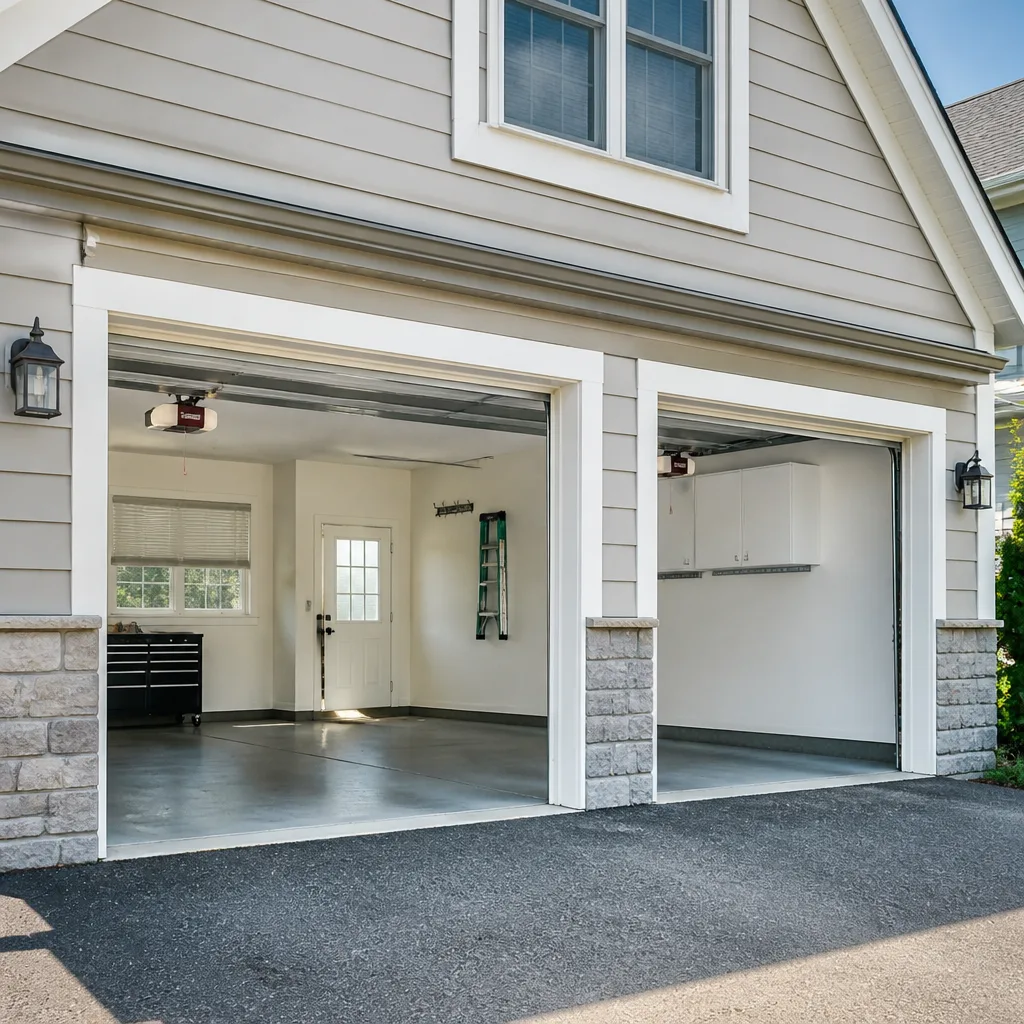 LiftMaster openers
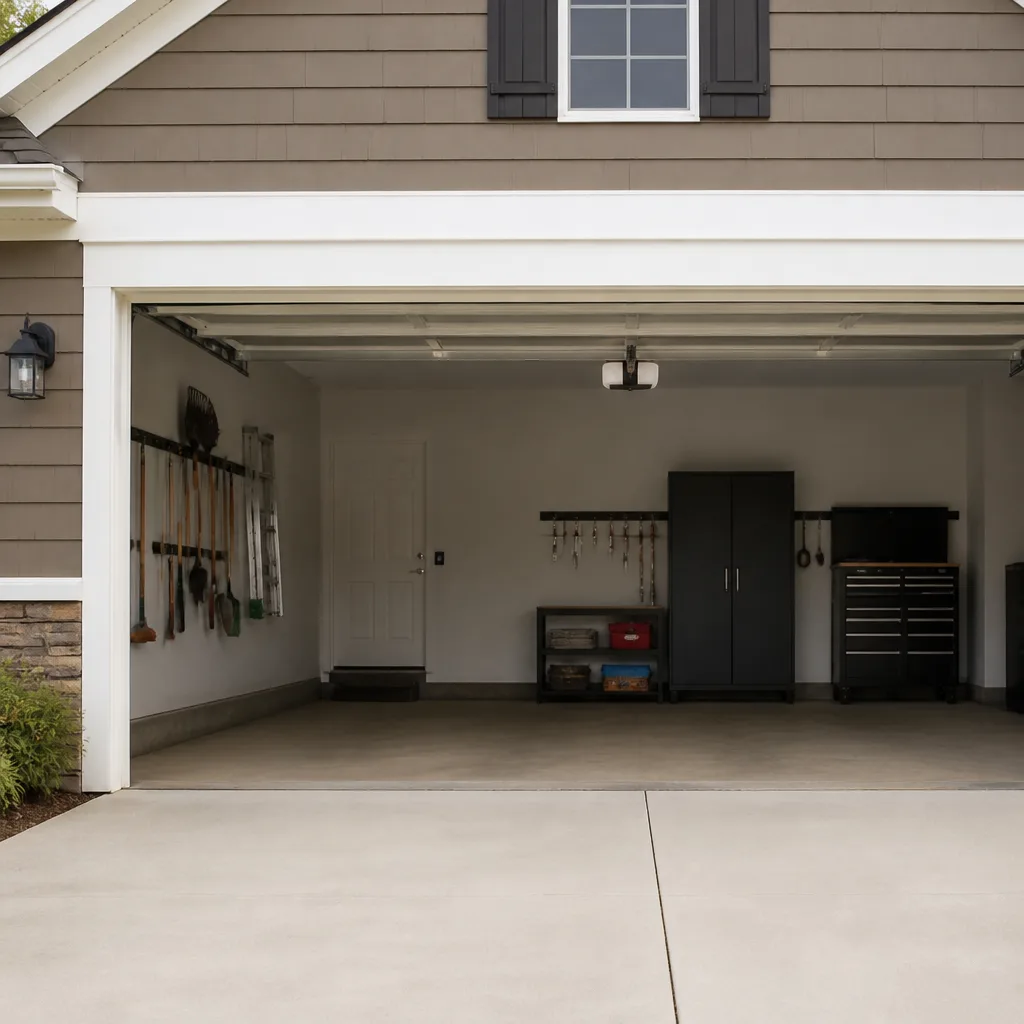 Chamberlain openers
Full 25-point door and opener safety check with every visit - springs, cables, rollers, tracks, and your LiftMaster or Chamberlain opener included
You get a price before we start. It does not change when the pro arrives.
Get your free estimateGarage Door Emergency Preparedness Guide for Buckeye Homes
Most garage door emergencies in Buckeye start long before the door fails. They start the day a homeowner realizes they’ve never touched the emergency release cord, don’t know whether their opener has a battery backup, and have no idea how to get a car out of a garage after a monsoon outage. The door itself is rarely the surprise. The surprise is the scramble that follows. This guide walks through every part of a garage door emergency a homeowner can actually control: how to release the door by hand, how to secure an opening mid-storm, which openers hold up in sustained heat, and exactly what to tell a technician so the right parts arrive the first time. We’ll also cover what to check before monsoon season and the mistakes that cost Buckeye homeowners the most time.
Quick Answer
Garage door emergencies in Buckeye fall into three predictable categories: doors stuck shut during a power outage, storm damage from a haboob that leaves the opening unsecured, and opener failures that peak in sustained summer heat. Almost all of them are manageable if you know where your emergency release cord is, how to lift the door by hand, and how to brace a damaged opening securely enough to wait for a scheduled repair. A free estimate and written price are what set the cost of any repair, and none of the prep work below has to cost anything at all.
Styles & brands we work with
- Raised-panel steel
- Carriage house
- Modern flush
- Full-view glass
- LiftMaster openers
- Chamberlain openers
Table of Contents
- How to Use the Emergency Release Cord on a Buckeye Garage Door
- What to Do When the Power Goes Out During a Monsoon
- Securing a Damaged Garage Door Mid-Storm
- Temporarily Securing a Door With a Broken Spring
- Battery Backup Openers That Hold Up in Buckeye Heat
- What to Have Ready Before You Call for Emergency Service
- Seasonal Preparedness Checklist for Buckeye Homes
How to Use the Emergency Release Cord on a Buckeye Garage Door
Every overhead garage door has a manual release that disconnects it from the opener, and finding yours today is the single most useful thing you can do before any emergency. Most Buckeye homes built in the last two decades have a release cord that hangs from the trolley near the top center of the door track, usually a red handle on a short rope. Newer construction often pairs this with a manufacturer’s wall-mounted lock or a slide bolt, so the cord isn’t always the only thing holding the door to the opener.
Here’s how to operate it deliberately, not in the dark:
- Set the opener to a non-running state at the wall control if you can, so the trolley doesn’t re-engage while you’re working.
- Pull the release cord straight down toward the floor with one steady motion. On most doors this disengages the trolley and lets the door move freely.
- Lift the door by hand from the bottom center. A balanced door should raise with moderate effort and stay up on its own.
- If the door won’t stay up, lower it slowly. A door that won’t hold is either out of balance or has a spring problem, and it needs a technician.
Before you put the door back on the opener, check the trolley is fully re-engaged. On most systems you pull the cord again to reset the trolley, then run the opener once and watch the door cycle. If the door only catches on one side, stop and call us. Uneven engagement tears tracks and burns out opener gears. In Buckeye homes with a garage door opener repair issue that clears up after a manual cycle, the problem was likely a disconnected trolley rather than a failed motor. That’s good news. It’s also a symptom of a traveler or limit switch that’s slipping and will fail again.
Never pull the release cord while the door is open and the car is underneath it. The door is on the move, and on a door with a weakening spring it can come down fast. Set the door fully closed first, then release it.
What to Do When the Power Goes Out During a Monsoon
Monsoon season in the Buckeye area brings wind-driven storms that knock out power across whole subdivisions, and a garage door without power is a door that won’t open unless you know the manual release. Here’s the sequence that works:
- Confirm the outage is real. Check a light in the kitchen or the outside street lamp before you assume the opener has failed.
- Use the emergency release cord to disconnect the opener and raise the door by hand, as described above.
- Drive the car out only after the door is fully open and you’ve checked there’s nothing hanging on the tracks.
- When power returns, reconnect the trolley and cycle the door once while you watch it. Don’t assume it’s fine. Watch the reversal and check the safety eye alignment.
If your opener is a LiftMaster, Chamberlain, or Genie unit with the battery backup feature, the opener will keep cycling during a power outage without any manual release at all. That’s the whole point of the battery. If you don’t have one, plan for the manual lift.
After a monsoon, do a five-minute inspection before the next storm. Look at the door’s bottom seal, the horizontal tracks, and the panel seams. Wind-driven debris bends tracks and pushes panels out of square, and a door that’s slightly bent after one storm is much more likely to bind or fail during the next. In our experience working garage door repair calls across Buckeye, most of the track damage we see traces back to a storm that was never followed by an inspection. The repair is cheaper when we catch a bent track before the rollers have worn against it.
Securing a Damaged Garage Door Mid-Storm
A haboob can throw debris hard enough to dent a panel or put a garage door out of alignment in a matter of minutes, and once that happens, securing the opening matters more than repairing the door. Your first priority is to close the gap, not to call anyone yet.
What usually works:
- Lower the door manually if you can. Even an off-track door can often be brought down close enough that the opener’s lock bar or a slide bolt keeps it shut.
- Use a second lock if your door has one. Interior slide bolts on each side of the door hold the door closed when the opener is compromised.
- Brace from the inside with a temporary wood or metal bar across the door’s interior face. Keep it low and wide, never against a window panel.
- Move the valuables in. Tools, bikes, anything visible through a window or gap should go inside the house.
Don’t try to force a door that’s clearly off its tracks. The rollers can come out, the torsion spring can release, and both of those turn a panel repair into a serious injury. Get the door shut, secure it, and wait for weather to pass before a technician touches it.
After the storm, don’t reset the opener and hope it works. A door that closes but doesn’t reverse on contact is a serious hazard, and one that closes unevenly will wear the opener gear faster. Call us when the weather clears and we’ll look at it with the door actually in front of the technician instead of over a video.
Temporarily Securing a Door With a Broken Spring
A broken torsion or extension spring is the most common garage door emergency, and it produces a door that’s either stuck up or stuck down with no safe way to move it. The spring is under high tension and should only be handled by a trained technician with the right tools. Do not try to replace or remove a broken spring yourself.
Your job is to secure the opening until help arrives, not to fix the door. What that means in practice:
- If the door is stuck down, it’s already secured. Leave it, lock the opener, and don’t try to lift it by hand.
- If the door is stuck up, lower it by hand only if the door moves without extreme force. If it doesn’t, prop the opening with a brace from inside and rope the door to the tracks.
- Lock the interior door between the garage and the house. A broken garage door is an open entry point, and it should be treated like one.
- Don’t leave a vehicle inside the garage if the door is stuck down and you have no other exit. Move it out before the door goes up or before the repair window closes.
Spring replacement is a same-day repair for us in most cases, and the price for a single spring and for a matched pair are two different figures. We never quote a pair as one spring. The written estimate you get before work begins will show the actual number, so you know what you’re paying before a technician picks up a tool.
Battery Backup Openers That Hold Up in Buckeye Heat
Battery backup openers are the single best investment a Buckeye homeowner can make for garage door emergencies, and not all of them perform the same way in sustained summer heat. The battery in a backup opener sits in an unconditioned garage, and garages here reach temperatures that accelerate battery degradation faster than in cooler climates. A backup battery that lasts five years in a mild climate might give you three here.
What to look for if you’re shopping:
- Sealed lead-acid or lithium cells rated for high temperature. The system’s documentation will state the operating range. If it doesn’t, pick something else.
- A charger that holds the battery at full charge rather than cycling it. Backup systems that trickle constantly last longer than ones that charge only when the opener senses a draw.
- Compatibility with your existing opener. If your opener is a Craftsman or Raynor unit, the battery kit has to match the model series, not just the brand.
If your garage gets direct afternoon sun, consider adding insulation to the garage door or a vent to the garage ceiling. Both are cheap and both extend the life of the opener and the battery. If you’re choosing between a new opener with a backup battery and a battery kit bolted onto an aging motor, we’d usually recommend replacing the opener. The battery-only route makes sense when the motor is under five years old and cycling cleanly.
We install and service openers from LiftMaster, Chamberlain, and Genie alongside the rest of the eight major brands we work on, which means the recommendation you get is based on what your door and opener actually need. We work on the brand already in your garage, not the one we’re trying to sell you.
What to Have Ready Before You Call for Emergency Service
A clear description of the problem when you call saves a service visit and gets the right parts to your door faster. Before you dial, gather the following:
- The make and model of your opener, printed on the opener’s metal housing or the back of the motor cover. This tells the technician which parts to bring.
- The brand and approximate age of your door. A Wayne Dalton panel has different wheel and bracket hardware than an Amarr door, and knowing the brand helps the technician arrive prepared.
- Whether the door is stuck up, stuck down, off track, or cycling unevenly. “Stuck up” and “won’t open” are two different calls.
- Whether you can hear the opener running but the door doesn’t move. That usually points to a stripped gear or a broken spring rather than an electrical failure.
- Whether the safety eyes at the bottom of the tracks are lit. A single blinking LED usually means a misalignment, not a dead opener.
- Your gate code or property access details if your driveway is gated, and where the technician should park.
If the door is stuck up and won’t come down, say so at the start of the call. That’s a different safety conversation than a door that simply won’t open, and it changes what the technician brings. Call us at (833) 519-6766 to schedule. We answer 24/7. A call outside dispatch hours is booked into the next opening. Fast dispatch from 7am to 7pm, Sunday through Friday.
Seasonal Preparedness Checklist for Buckeye Homes
Thirty minutes once a year prevents most garage door emergencies, and the timing matters. Run through this list before monsoon season and once in the fall:
- Find and label the emergency release cord. Tie a bright ribbon on it if it isn’t already a color you can spot in a dark garage.
- Test the manual release. With the door closed and the opener unpowered, pull the cord, lift the door by hand, and lower it. Reconnect it and cycle the opener.
- Test the safety reverse. Place a two-by-four flat on the ground under the closing door and confirm the door reverses on contact.
- Inspect the springs. Look for a visible gap in the spring coil, which is the surest sign it’s broken. Never reach into the spring assembly.
- Tug-test the door balance. With the door disconnected and lifted halfway, it should stay put. If it drifts down or slams up, it’s out of balance.
- Lubricate the hinges, rollers, and tracks with a garage-door-specific lubricant, not a general household spray.
- Check the door’s bottom seal for cracking or gaps. A failed seal lets in wind-driven dust and water.
- Inspect the opener’s battery-backup indicator and replace the battery if the test feature shows a weak charge.
If you find something during the checklist that needs repair, don’t wait. A track that’s slightly out of alignment is a fifty-dollar adjustment today and a track replacement in six months. The cost of an estimate to look at it is free.
See the difference
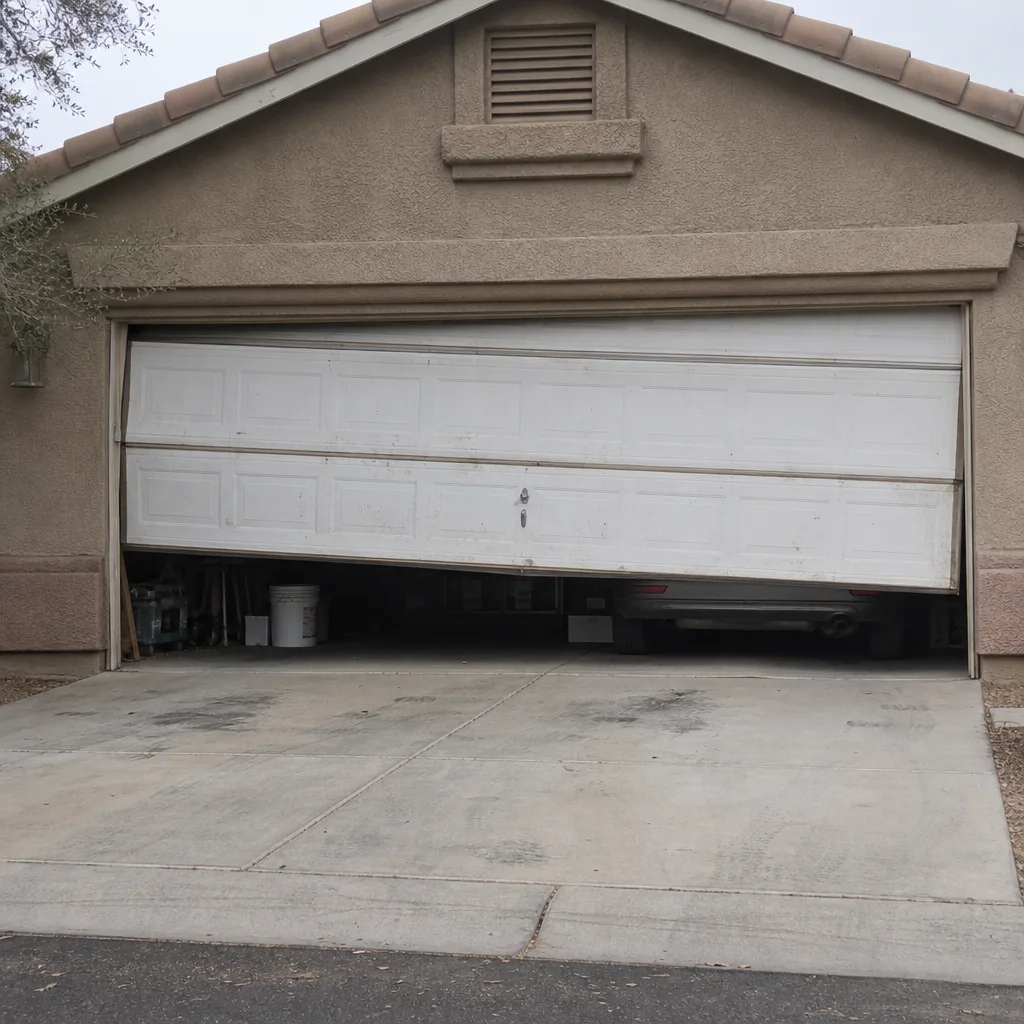 Before
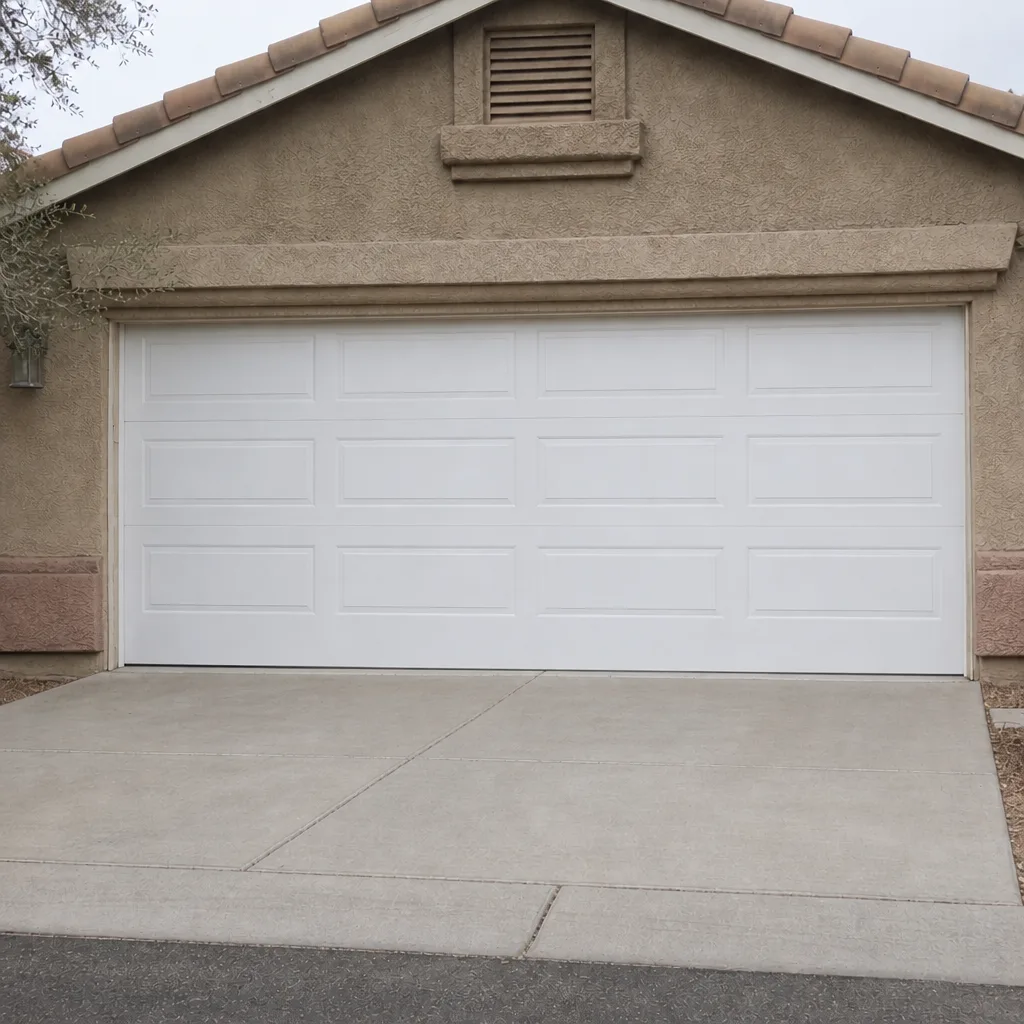 After
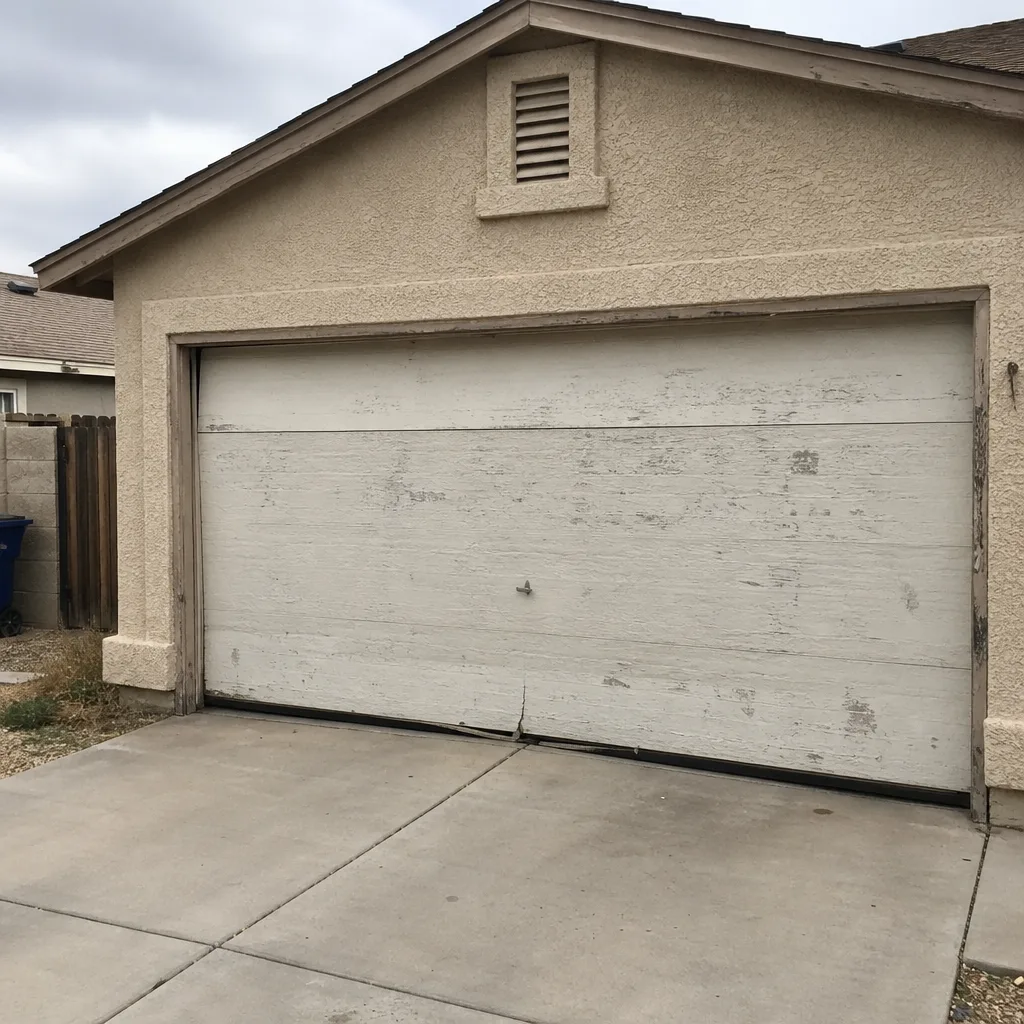 Before
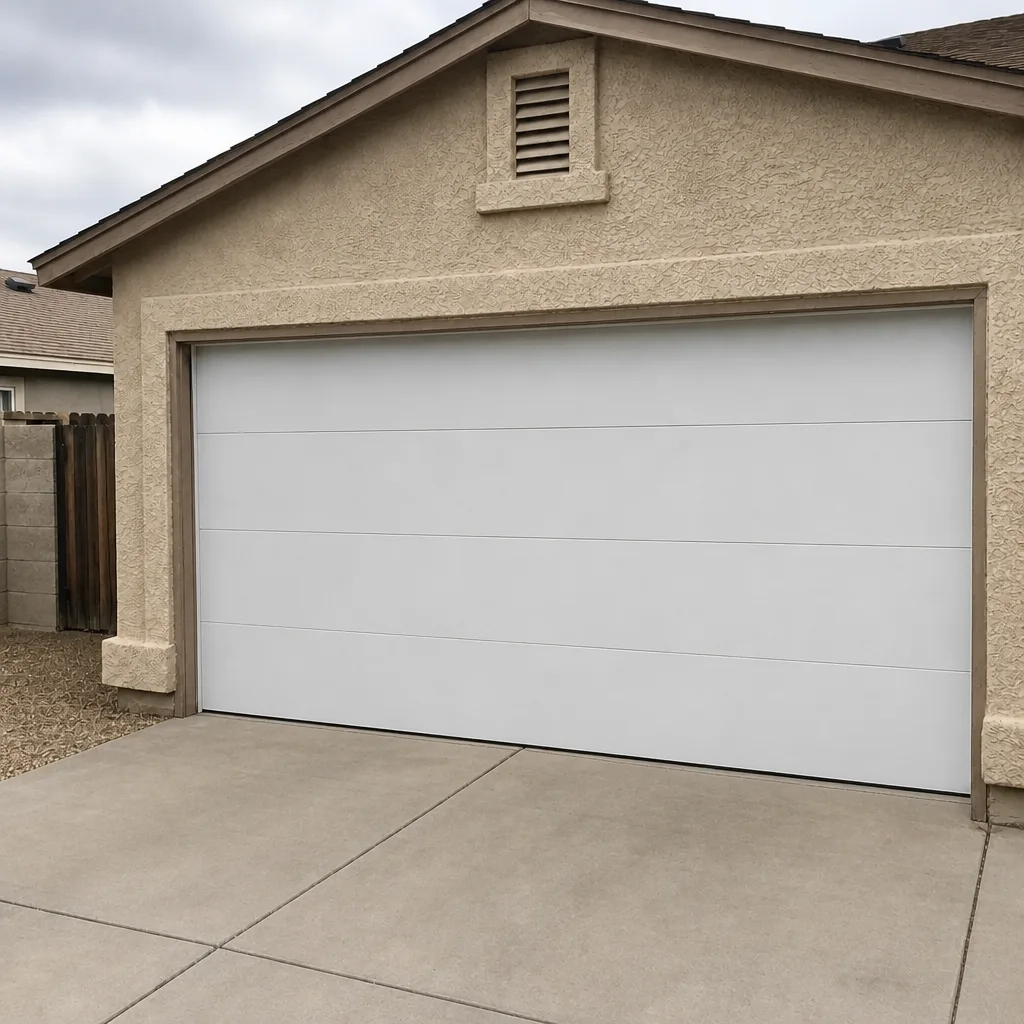 After
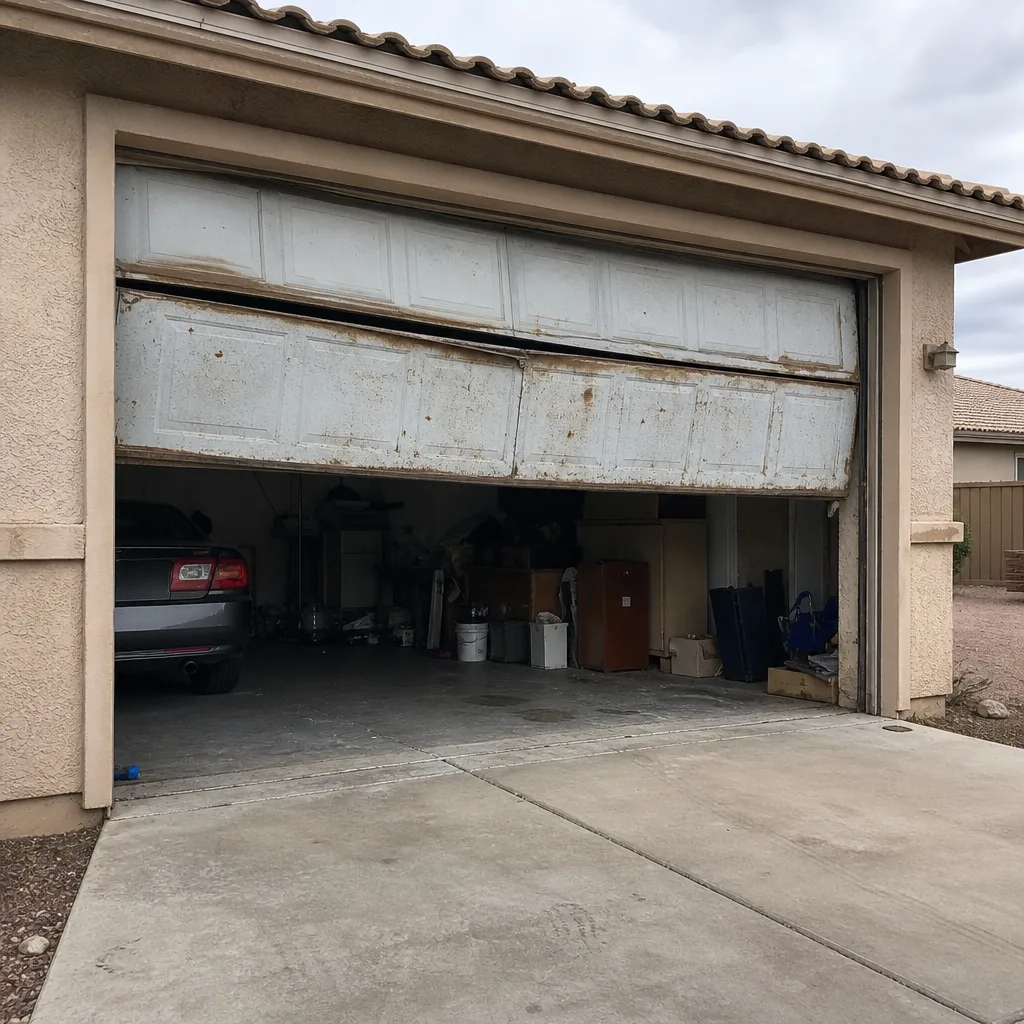 Before
 After
Common Mistakes to Avoid
- Pulling the emergency release while the door is up and a car is underneath. The door can come down hard if a spring is weak. Set it down first.
- Trying to lift a broken-spring door by force. The spring is under extreme tension and forcing the door can release the torsion bar. Call a professional instead.
- Ignoring a bent track after a haboob. A track that’s a quarter-inch out of line is a cheap fix now and a roller and gear replacement later.
- Assuming a dead opener means a dead motor. In most cases the opener is fine and the problem is a stripped gear, a limit switch, or a disconnected trolley. Diagnostics before replacement, always.
- Skipping the manual release test. A cord that won’t pull cleanly is a real problem, and you want to find it before the power goes out, not during the storm.
- Buying a battery backup kit from a big-box installer who only carries one brand. The kit has to match the opener, and the homeowner should know which brand the garage already has.
- Leaving a garage door stuck down overnight with a car inside. Move the car first, then secure the door. You don’t want to be making that decision in the dark.
When to Call a Professional
Call us when the door won’t stay up, won’t go down, has come off its tracks, or has a visible spring failure. Those are the four situations where a homeowner can’t safely solve the problem. Call us when the opener hums but the door doesn’t move, when the safety eyes blink and the door won’t close, or when the door reverses on its own halfway down. Call us when a haboob or monsoon has left a panel dented, a track bent, or an opening you can’t secure. None of these get better by waiting. Brightline Garage Door Repair offers free estimates in Buckeye – call (833) 519-6766. We answer 24/7. Fast dispatch from 7am to 7pm, Sunday through Friday, and the price is quoted and agreed before any work starts.
Frequently Asked Questions
Pull the emergency release cord hanging from the trolley near the top center of the door to disconnect it from the opener, then lift the door by hand from the bottom center. A balanced door should lift with moderate effort and stay up. Before reconnecting the opener after power returns, check the trolley is fully engaged and cycle the door once while watching it.
On most newer construction the release cord hangs from the trolley near the top center of the door track, usually a red handle on a short rope. Some homes with high-lift doors or certain opener models have the release on a wall-mounted lock or slide bolt instead, so check both before you assume yours is missing.
No. A door with a broken spring should stay closed and untouched until a technician arrives. If the door is stuck open, secure the opening with a brace from inside and do not try to lower it by hand. Spring replacement is a same-day repair for us in most cases, and the written estimate is prepared before any work starts.
It depends on the battery and the number of door cycles. Most backup systems handle a handful of open-and-close cycles over a few hours, and long outages drain the battery faster than short ones. In Buckeye heat, battery life is shorter than in cooler climates, so check the indicator and expect to replace the battery every few years.
The price is set by the job and the written estimate, not by the time of day it’s prepared. What drives the cost is the scope of the repair – one spring versus a matched pair, a track adjustment versus a track replacement, a stripped opener gear versus a full opener replacement. We quote and agree the price before any work starts.
Close the door manually if you can, engage any interior slide bolts or locks, and brace the opening from the inside with a temporary bar. Don’t force a door that’s clearly off its tracks. Wait for the weather to clear, then call for a free estimate so a technician can look at it in person.
We service garage doors and openers from LiftMaster, Chamberlain, Genie, Clopay, Amarr, Wayne Dalton, Craftsman, and Raynor. Because we work across all eight brands, our recommendations are based on what your door actually needs, not on which brand we’re incentivized to push.
Brightline Garage Door Repair connects homeowners in Buckeye with independent local garage door professionals. Whether you’re dealing with a garage door repair issue or a garage door opener repair call, our technicians have up to 15 years of experience and work on the brand already in your garage, from Amarr and Wayne Dalton to Craftsman and Raynor. For a free estimate on repair, opener service, or full installation, call (833) 519-6766. We answer 24/7. Fast dispatch from 7am to 7pm, Sunday through Friday.
Written by the team at Brightline Garage Door Repair.