
Last updated November 14, 2026
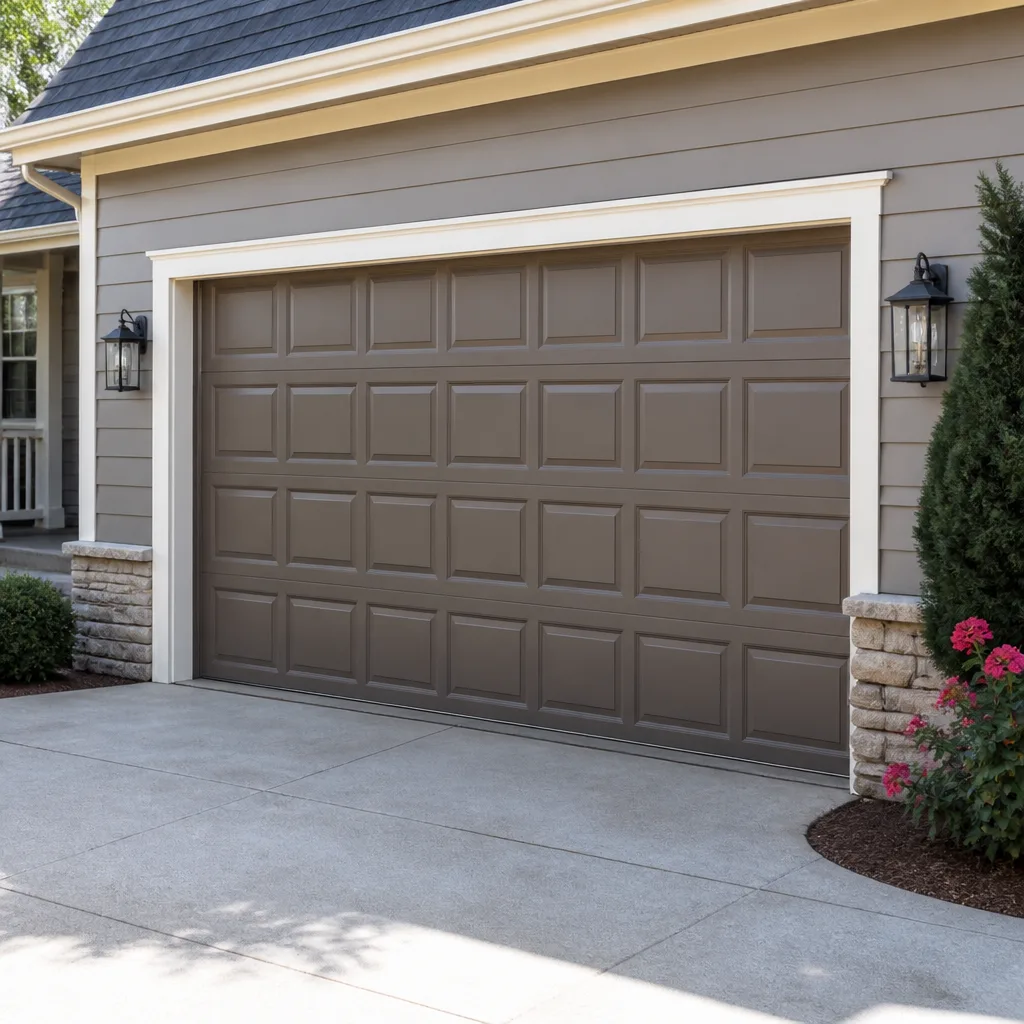 Raised-panel steel
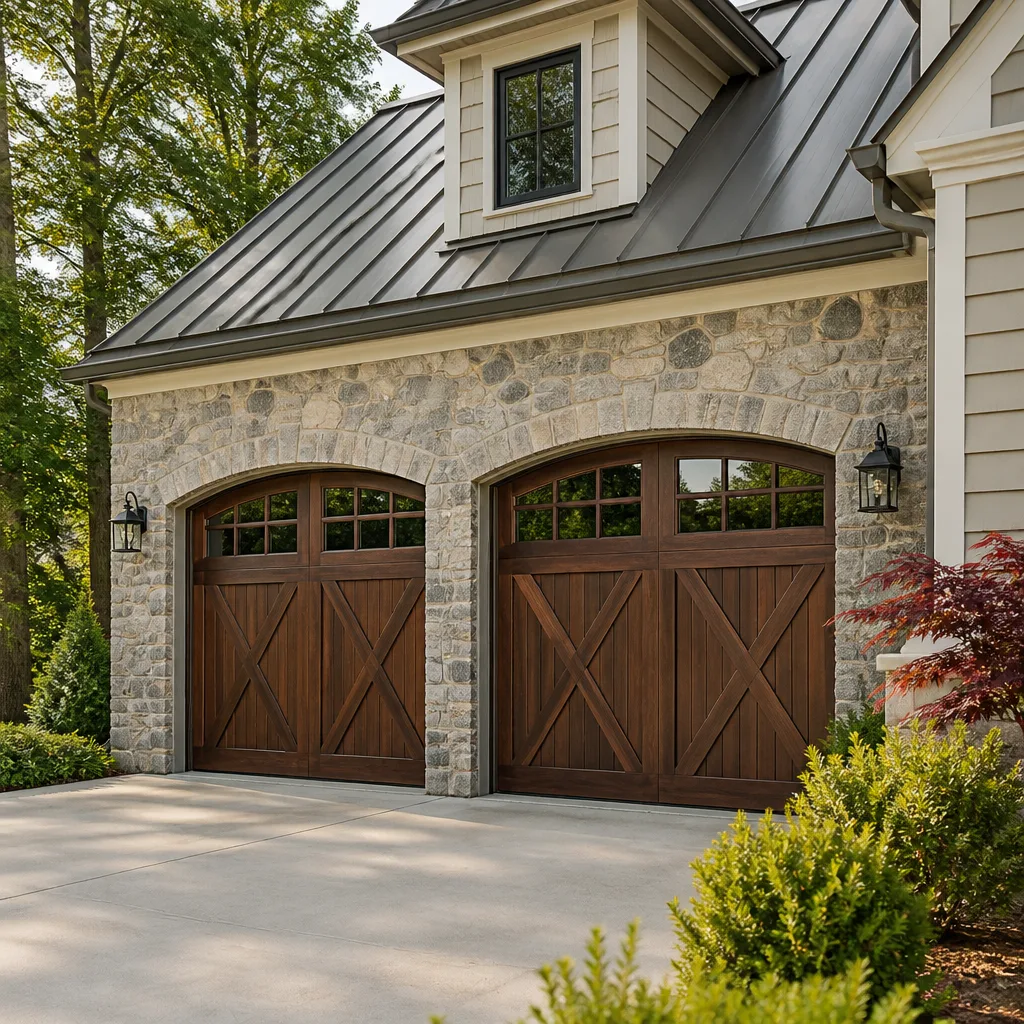 Carriage house
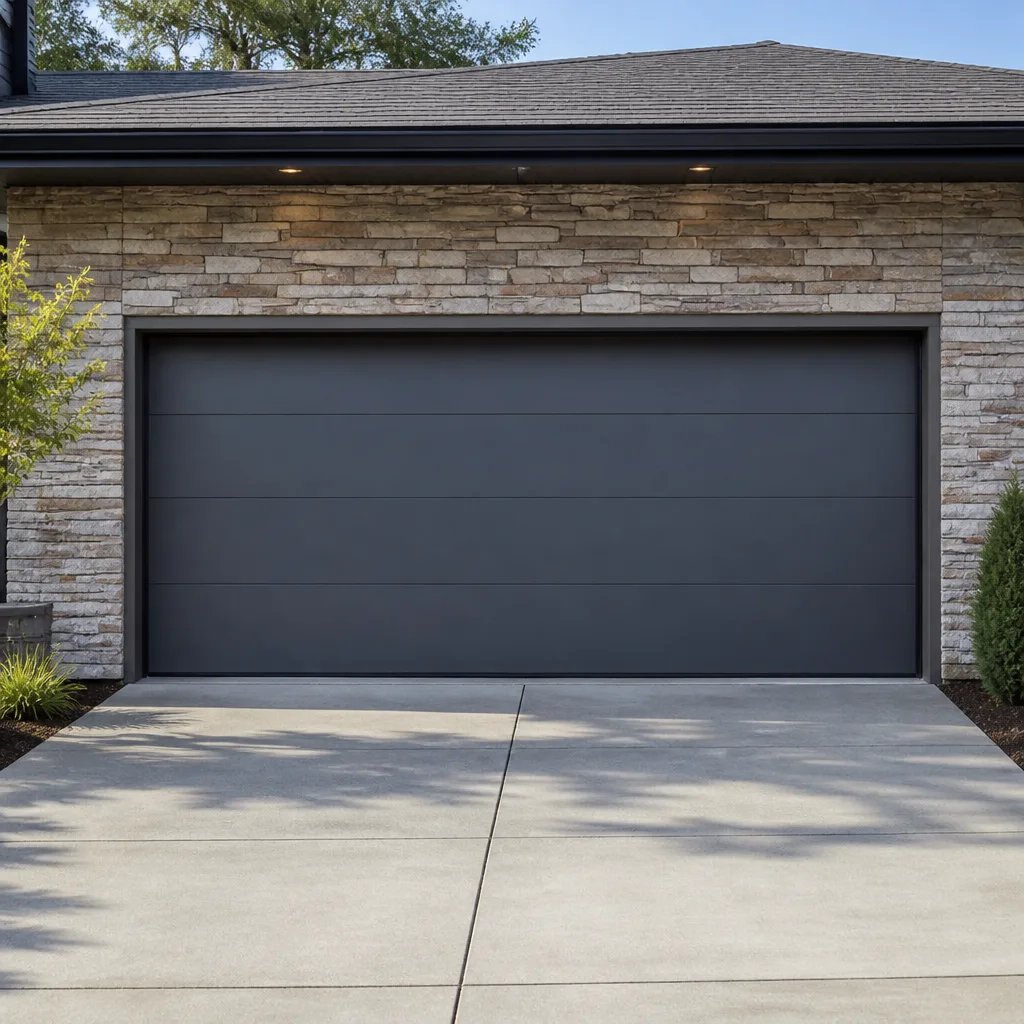 Modern flush
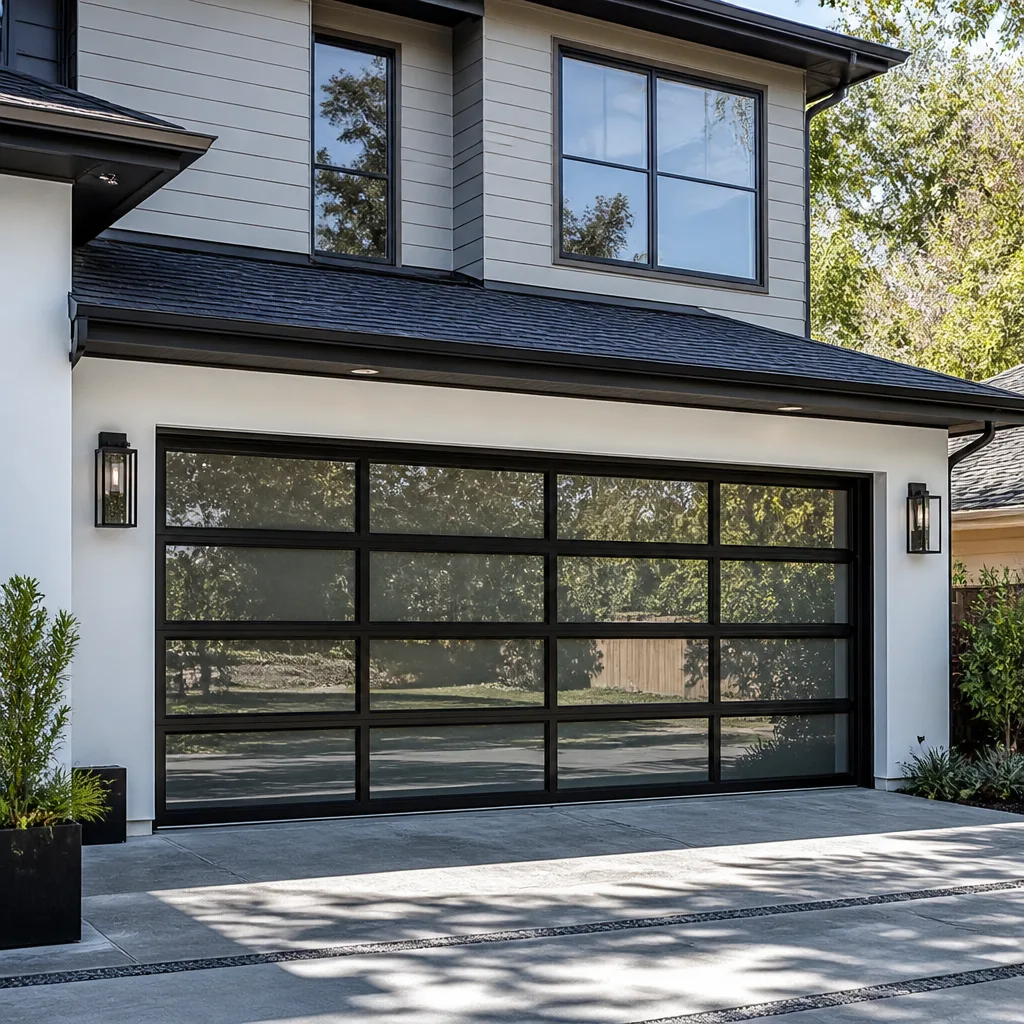 Full-view glass
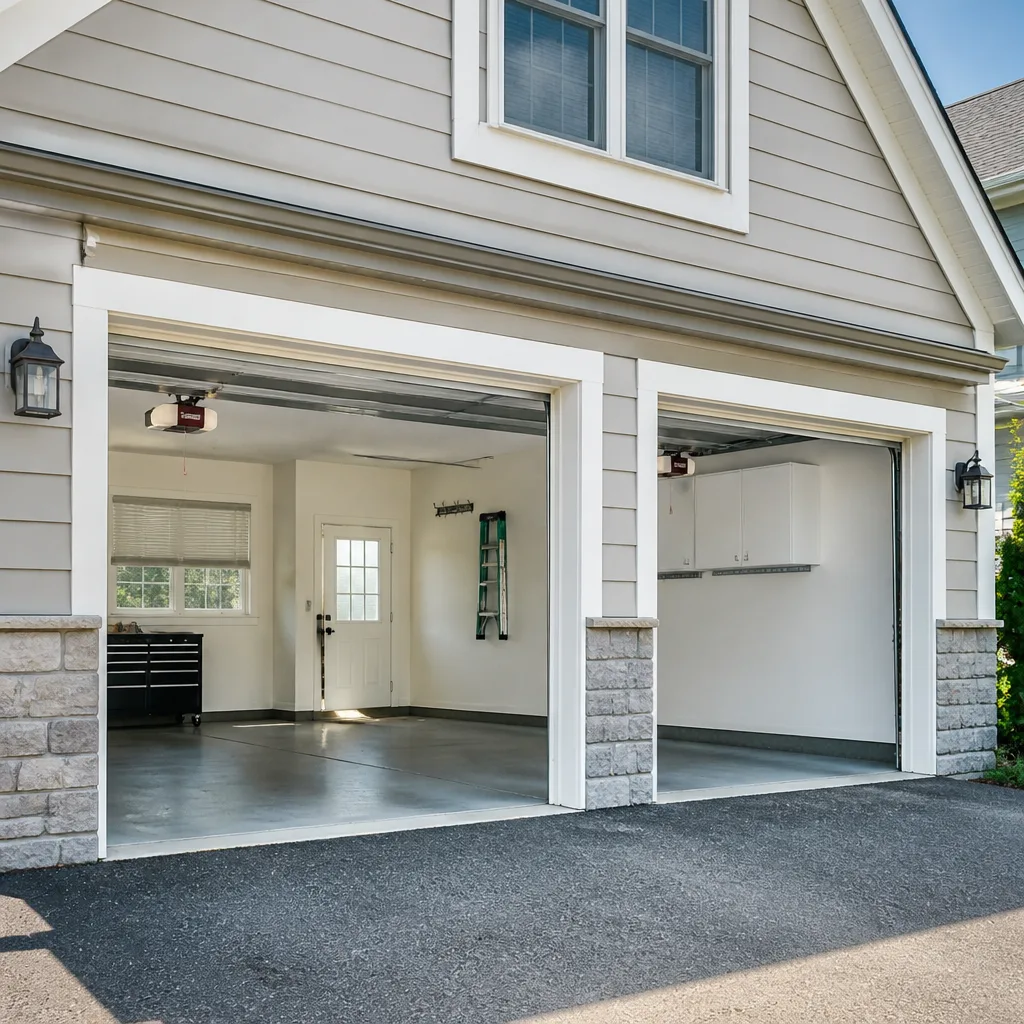 LiftMaster openers
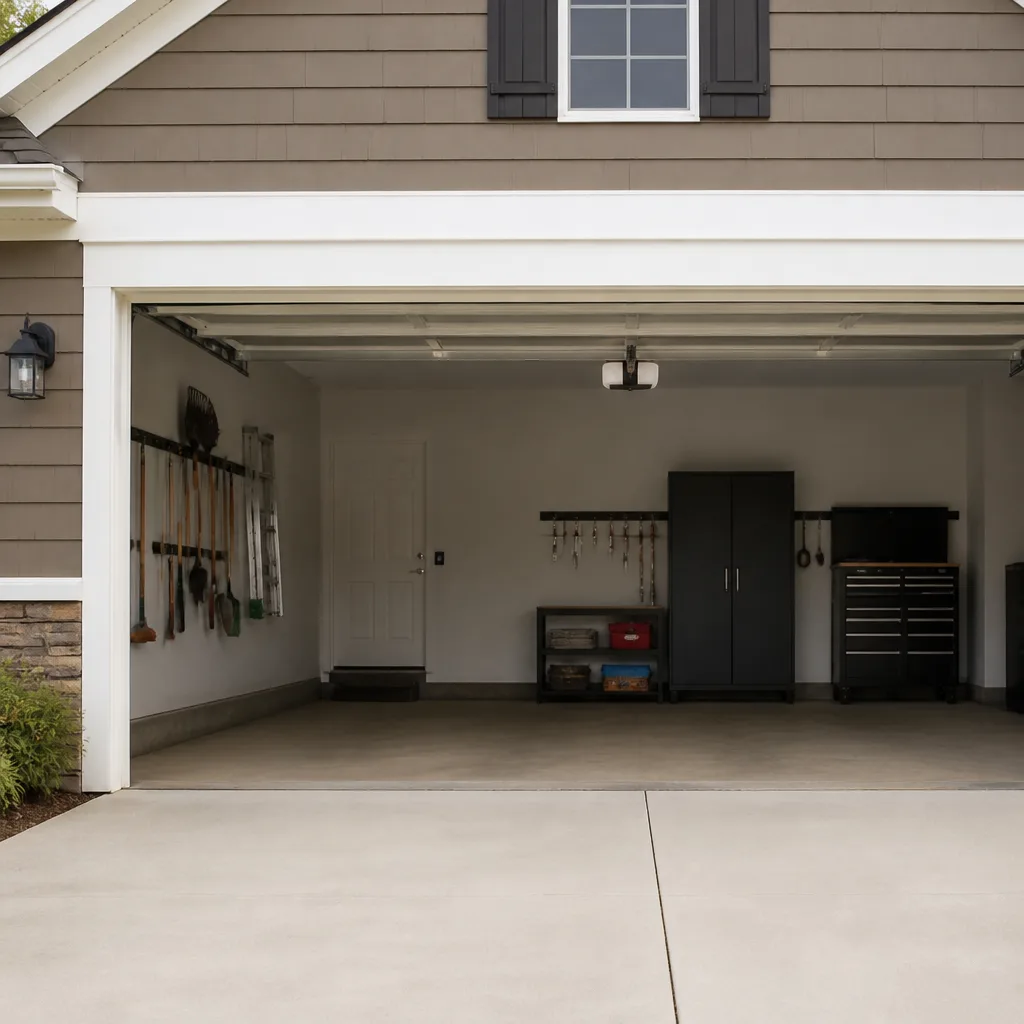 Chamberlain openers
Full 25-point door and opener safety check with every visit - springs, cables, rollers, tracks, and your LiftMaster or Chamberlain opener included
You get a price before we start. It does not change when the pro arrives.
Get your free estimateHow to Hire a Garage Door Contractor in Buckeye: A Step-by-Step Guide
Most homeowners in Buckeye hire a garage door contractor the same way: the door breaks, they search, they call the first name that shows up, and they accept whatever quote comes back. That order is backwards. The time to figure out whether a contractor actually knows garage door systems is before they set foot on your property, not after they’ve handed you a lump-sum estimate with three vague lines on it. Buckeye’s population has grown fast over the past decade, and the number of “garage door guys” has grown with it. Some are excellent. Plenty are one-brand installers, general handymen with a YouTube education, or out-of-area crews who won’t be reachable when something fails six months later. This guide gives you a concrete framework to hire for competence, not just availability.
Styles & brands we work with
- Raised-panel steel
- Carriage house
- Modern flush
- Full-view glass
- LiftMaster openers
- Chamberlain openers
Quick Answer
To hire a garage door contractor in Buckeye, verify their Arizona ROC license first, then ask questions that reveal whether they understand door systems or are guessing, then insist on a written line-item estimate before any work begins. A brand-agnostic specialist who services multiple manufacturers (LiftMaster, Wayne Dalton, Craftsman, and others) will give you honest recommendations based on what your door actually needs. If a contractor can’t answer basic system questions, pressures you with “today only” pricing, or shows up in an unmarked vehicle with no verifiable license, walk away and call the next one.
Table of Contents
- Quick Answer
- Why Hiring Right Matters in Buckeye
- Step 1: Verify the Arizona ROC License
- Step 2: Captive Installer vs. Brand-Agnostic Specialist
- Step 3: Questions That Reveal Real Expertise
- Step 4: How to Read a Garage Door Estimate
- Step 5: Red Flags in a High-Growth Market
- Step 6: What to Check After the Job Is Done
- Common Mistakes to Avoid
- When to Call a Professional
- Frequently Asked Questions
- The Bottom Line
Why Hiring Right Matters in Buckeye
Buckeye sits in the West Valley, and the housing stock here reflects how quickly the city has grown. You’ll find newer production homes with builder-grade doors and openers in the same neighborhoods as older properties whose hardware has been through years of desert summers. That mix matters when you’re hiring, because the right contractor for a 2005 Craftsman opener on a Wayne Dalton door is not necessarily the right contractor for a brand-new install on a home in a recently finished subdivision.
The desert climate shapes the failure pattern too. Metal garage doors take direct sun for hours a day in Buckeye, and the door surface gets hot enough that paint and seals age faster than they would in milder climates. Springs cycle constantly when a door sees daily use, and heat accelerates wear on opener gears and remotes. None of this is exotic. It just means that a contractor who works only in Buckeye-adjacent parts of the Valley should have seen these patterns repeatedly and should be able to tell you what they typically find on doors like yours.
What’s changed in the market is who’s showing up to do the work. Buckeye has attracted a wave of installers drawn by new construction, some of whom are legitimate licensed specialists and some of whom are subcontractors for national brands who will never return your call once the job is signed off. A homeowner near Verrado has the same core need as a homeowner near Sundance: a contractor who can diagnose the door and opener as a system, not just swap parts. The neighborhoods change; the vetting doesn’t.
Step 1: Verify the Arizona ROC License
Arizona requires contractors to be licensed through the Registrar of Contractors (ROC), and a garage door contractor doing residential work in Buckeye should be able to give you that license number without hesitation. Verification isn’t hard, and it takes about ten minutes. Do it before you invite anyone out, not after.
- Ask the contractor for their ROC license number in writing (email or text is fine). If they dodge the question or say “we’re licensed and bonded” without giving you the number, that’s your answer.
- Go to the Arizona ROC website and use the license lookup tool. Enter the number and confirm the name on file matches the business you’re talking to.
- Check the license classification. A residential garage door contractor should hold a classification that covers the work they’re proposing. If the classification doesn’t fit, ask why.
- Check the status. A license can be active, suspended, or revoked. You want active, and you want the insurance and bond status to show current.
- Look at any complaint history. A single old complaint isn’t disqualifying, but a pattern of unresolved complaints is a serious signal.
- Confirm the name on the estimate matches the name on the license. If you’re talking to “Valley Door Pros” but the ROC record says “AZ Home Services LLC,” ask about the relationship.
This isn’t paranoia. It’s the baseline check that separates a legitimate specialist from a crew that will disappear when something goes wrong. Legitimate contractors expect you to check and will often hand you the number before you ask.
Step 2: Captive Installer vs. Brand-Agnostic Specialist
This is the single biggest decision in hiring, and most homeowners don’t realize they’re making it. A manufacturer-captive installer works for (or is heavily incentivized by) one brand. They’ll recommend that brand’s door or opener whether or not it fits what you already have. A brand-agnostic specialist works across all the major manufacturers and recommends based on your actual system.
Why this matters for your options and your wallet:
- Your existing hardware drives the decision. If you already have a LiftMaster opener and a Wayne Dalton door, a brand-agnostic contractor can repair or match what’s there. A captive installer may push a full replacement because they can’t (or won’t) service the other brand.
- Pricing is comparable. Brand-agnostic contractors aren’t locked into a single supply chain, so they can compare materials honestly. Captive installers are constrained to their brand’s price sheet.
- Diagnostics stay neutral. When the technician isn’t incentivized to sell one brand, the recommendation is driven by what the door needs: a spring, a gear, a panel, or a whole door. That’s the difference between a repair and an unnecessary replacement.
- One call covers the whole system. A specialist who services both the door panel and the opener covers the two most common failure points in one visit, regardless of brand.
- Service after installation. A brand-agnostic contractor can service what they installed and what’s already there. A captive installer may only service their own brand long-term.
Ask directly: “Do you service the brand already on my house, or only the brand you sell?” If the answer is the second, you’re not hiring a garage door contractor. You’re hiring a sales channel. A specialist should be able to name the brands they work on without hesitation, and Craftsman, Raynor, LiftMaster, and Wayne Dalton should all be in the list.
Step 3: Questions That Reveal Real Expertise
Anyone can say “we do garage doors.” These questions cut through that and show you within a few minutes whether you’re talking to a specialist or a generalist.
- “What’s the brand and model on my door and opener?” A specialist who works across brands can identify both quickly. A handyman will squint at the label and change the subject.
- “Walk me through how you’d diagnose a door that won’t close.” A specialist mentions safety sensors, track alignment, spring tension, limit settings on the opener, and the order they’d check them. A generalist gives you a vague “we’ll take a look.”
- “Are the springs torsion or extension, and does that change the repair?” The answer should be clear and specific. If they don’t know the difference, they don’t work on doors.
- “What’s the difference between repairing an opener and replacing it?” Good answers distinguish between a failed gear, a dead board, a stripped trolley, and a motor that’s simply worn out. Bad answers jump straight to replacement.
- “Who actually comes out, and are they your technicians or a subcontractor?” You want to know who’s showing up, whether they’re licensed, and whether they’re reachable after the job.
- “What does the written estimate include, line by line?” The next section covers this in detail, but ask now. The response tells you a lot.
- “What’s the warranty on the parts and the labor?” A specialist can answer for both separately. Vague answers here signal a fly-by-night operation.
You don’t need to ask all seven. Two or three will usually tell you what you need to know. The point is that the questions force the contractor to demonstrate system-level knowledge instead of reciting a sales script.
Step 4: How to Read a Garage Door Estimate
A written estimate is either a useful document or a trap. Line-item estimates are useful. Lump-sum estimates hide upsells and make it impossible to compare quotes. Here’s what to look for.
Line items that signal competence
- Parts identified by brand and function. “LiftMaster 8500W opener” is specific. “New opener” is not. You want to know exactly what’s being installed.
- Labor broken out separately from parts. If labor and parts are lumped together, you can’t tell whether you’re paying for expertise or padding.
- Spring pricing stated per spring. A matched pair is usually replaced together, so a pair costs roughly twice a single spring. If the estimate gives you one number for “the spring,” ask whether it’s one or a matched pair.
- Disposal and haul-away listed. Removing the old door or opener is real work. A competent estimate accounts for it.
- Warranty terms spelled out. Parts and labor should have separate warranty language.
- A clear scope statement. One or two sentences telling you exactly what’s being fixed or replaced and why.
Line items that hide upsells
- A single line item with a five-figure number and no breakdown.
- “Premium hardware package” or similar language that doesn’t identify parts.
- Estimates that include a “free tune-up” or “safety inspection” you didn’t ask for.
- Any line that appears only after you’ve been told the price is “today only.”
When you have two estimates in front of you, compare the line items, not the totals. A lower total that omits disposal, warranty, or the correct opener model isn’t a better deal. It’s a cheaper estimate for less work. The written estimate should set the price for the job, and the price shouldn’t move once the work starts.
Step 5: Red Flags in a High-Growth Market
Buckeye’s growth has attracted legitimate specialists and a lot of contractors who saw an opportunity. The red flags below show up repeatedly in fast-growing markets, and they’re worth watching for.
- Out-of-state or out-of-area crews. If the contractor is based two hours away and can’t be reached six months after the job, that’s a problem when something needs a second visit. Ask where they work and whether they’ll service what they install.
- Unmarked vehicles and no business identity. A legitimate contractor’s vehicle usually carries business branding or at least signage. An unmarked truck with no logo and no business card is a sign the operation may not be traceable.
- “Today only” pricing pressure. Door and opener pricing doesn’t expire at the end of the day. This tactic exists to stop you from comparing quotes. Any contractor who uses it should be a hard no.
- No ROC license number on the estimate. A legitimate estimate should carry the license number. Missing it is a serious red flag.
- Refusal to put the scope in writing. If they won’t write down what’s being fixed and for how much, they aren’t accountable.
- Pushing a full replacement when a repair is possible. Sometimes replacement is the right call. But the diagnosis should justify it, not the sales quota.
- Cash-only payment without a receipt. You want a paper trail. A legitimate contractor takes standard payment and issues a receipt.
One of these alone doesn’t disqualify a contractor. Two or three together should send you looking elsewhere.
Step 6: What to Check After the Job Is Done
The vetting doesn’t stop when the technician leaves. A few quick checks after the job protect you from callbacks and confirm the work was done correctly.
- Test the door through a full cycle. Open and close it fully two or three times while the technician is still there. Watch for hesitation, grinding, or a door that reverses unexpectedly.
- Test the safety sensors. Wave your hand through the sensor beam with the door closing. The door should reverse. If it doesn’t, don’t sign off.
- Test the opener’s force and limit settings. A door that slams shut or stalls at the bottom needs adjustment before the technician leaves.
- Confirm the balance. Disconnect the opener and lift the door manually halfway. It should hold in place. If it drops, the springs or cables aren’t set right.
- Get the warranty in writing. Parts and labor should each have terms documented. Keep the paperwork.
- Confirm what was actually installed. Match the parts on the invoice to the parts on the door and opener. If something doesn’t match, ask before paying.
- Get the receipt and the warranty documentation together in one place. If something goes wrong later, you’ll have everything in one folder.
These checks take five minutes and save a lot of frustration. Any competent technician expects you to run them.
Common Mistakes to Avoid
- Hiring the first number that shows up. Search results favor paid placement and volume, not competence. Call two or three contractors and compare line-item estimates before deciding.
- Skipping the ROC license check. If you don’t verify the license, you’re trusting the contractor’s word on the single most important credential. Ten minutes on the ROC website tells you more than an hour of conversation.
- Accepting a lump-sum estimate. A single-number quote hides what’s being installed and why. Ask for line items or walk away.
- Letting “today only” pricing rush you. Buckeye homeowners are seeing this tactic more as the market grows. The price isn’t going anywhere, and neither should you.
- Assuming a general handyman can fix the opener. Openers are their own system with their own failure modes. A generalist guessing at opener parts costs more than a specialist who knows the brand.
- Not asking what happens after installation. If the contractor only services what they sell, the next repair may need a different contractor. Ask who services the door and opener long-term.
- Repairing the door without checking the opener, or vice versa. The two work as a system. A specialist evaluates both in one visit. A generalist often fixes one and leaves the other to fail.
When to Call a Professional
Some garage door problems are safe to observe and describe by phone. Others are genuinely dangerous and shouldn’t be touched. High-tension springs and the cables under load are the biggest safety issue in this trade. A torsion spring can cause serious injury if it releases unexpectedly, and the tools and procedures to handle it safely aren’t a DIY project. Electrical panel work on the opener circuit and any gas-line work belong to trained professionals, period. If you’re not sure whether something is safe to look at, don’t touch it.
The scenarios that call for a specialist in Buckeye include: a door that won’t close or reverses immediately, a snapped or stretched spring, a cable that’s come off its drum, an opener that runs but doesn’t lift the door, a remote or wall control that’s stopped responding, a door that’s visibly off its tracks, and any new installation or full replacement decision. For a free estimate, call Brightline Garage Door Repair at (833) 519-6766. We answer 24/7, with fast dispatch from 7am to 7pm, Sunday through Friday.
Frequently Asked Questions
In Buckeye, most garage door repairs fall into a range that depends on the part and the door size: spring replacements are typically the highest-cost repair, opener repairs and sensor or track adjustments are lower, and a matched pair of springs costs about twice a single spring because they’re almost always replaced together. The written estimate sets the price, and the price shouldn’t change once work begins. Call (833) 519-6766 for an exact quote. Estimates are free.
Yes. Arizona requires contractors to be licensed through the Registrar of Contractors, and any residential garage door contractor working in Buckeye should be able to give you their ROC number on request. Verify it on the ROC website before any work is scheduled. A legitimate contractor expects the check and will often hand you the number before you ask.
A captive installer sells and services one brand, so their recommendations are constrained by what they carry. A brand-agnostic specialist works across all the major manufacturers and recommends based on what your existing system actually needs. For a homeowner with a LiftMaster opener and a Wayne Dalton door, the brand-agnostic contractor can service both in one visit and won’t push a replacement just to fit their supply chain.
Yes, same-day repair is often possible for common issues like a failed spring, a sensor problem, or an opener that won’t respond. Call (833) 519-6766. We answer 24/7, with fast dispatch from 7am to 7pm, Sunday through Friday. A call outside those dispatch hours is booked into the next opening.
No. Torsion springs and the cables under load are under extreme tension and can cause serious injury if released unexpectedly. We don’t recommend handling them yourself. A trained garage door technician has the tools and the procedure to replace springs safely. This is one of the areas where calling a professional is the right move.
It shouldn’t. A competent contractor will diagnose the door and offer a written line-item estimate before any work begins. The written estimate sets the price, and that price holds once the work starts. If a contractor quotes one number on the phone and a higher number after arrival, ask for the line items and don’t proceed until the discrepancy is explained.
Ask them to describe how they’d diagnose a door that won’t close, what brand and model is on your door, and how they’d distinguish between an opener that needs repair and one that needs replacement. A specialist answers all three comfortably. A generalist changes the subject. Garage doors are a focused trade, and the questions expose who’s actually in it.
The Bottom Line
Hiring a garage door contractor in Buckeye comes down to four checks: verify the Arizona ROC license, confirm the contractor is brand-agnostic rather than captive to one manufacturer, ask questions that reveal system-level knowledge, and insist on a line-item written estimate before work begins. The written estimate sets the price, and that price holds. Watch for the red flags that show up in fast-growing markets like out-of-area crews, unmarked vans, and “today only” pricing pressure. Do the four checks, compare two or three estimates, and the decision gets much easier. If you want a different starting point, we work on garage door repair, garage door opener repair, and full installation across Buckeye and the surrounding West Valley.
Call Buckeye‘s specialist at Brightline Garage Door Repair at (833) 519-6766 for a free estimate. We answer 24/7, with fast dispatch from 7am to 7pm, Sunday through Friday. Whether it’s a LiftMaster opener or a Clopay panel, our technicians have up to 15 years of experience and know the brand. One call covers repair, opener service, and installation. Fast diagnosis, honest scope, correct fix.
Written by the team at Brightline Garage Door Repair.
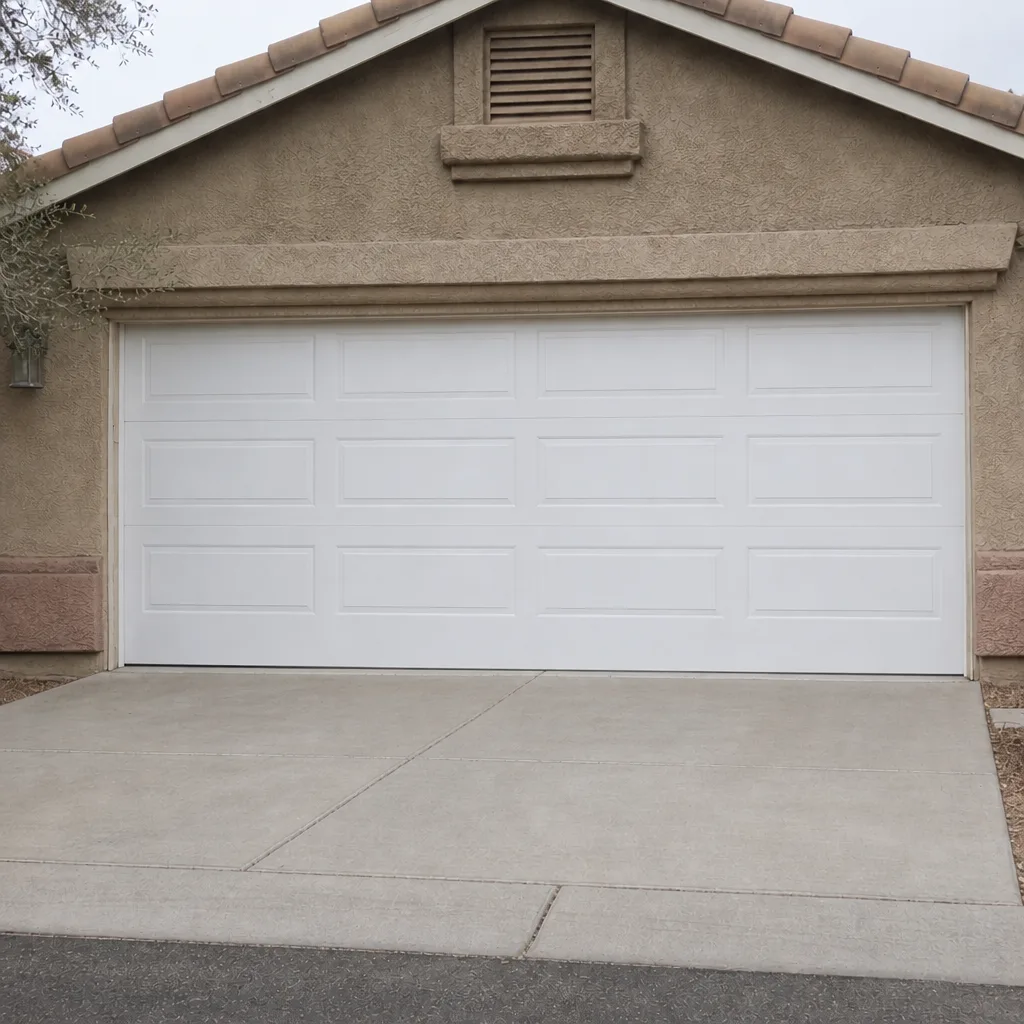
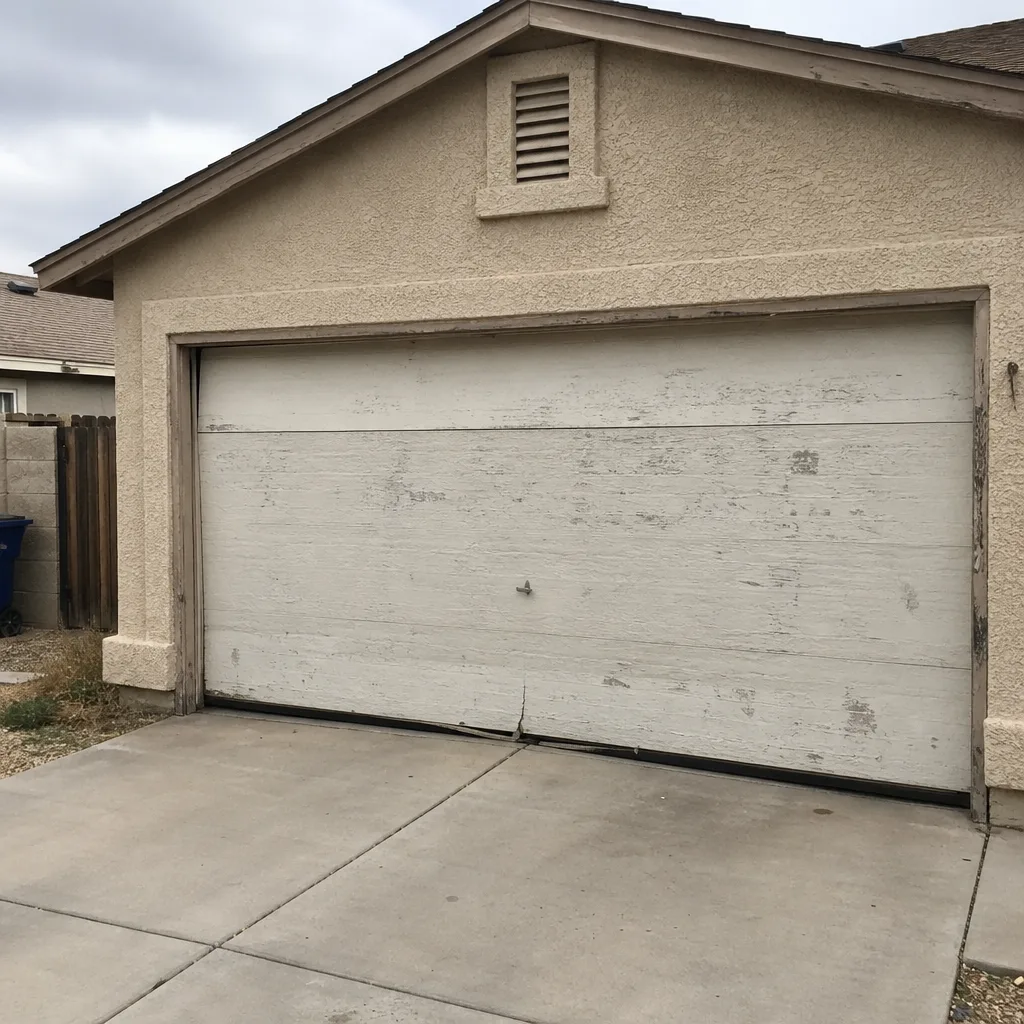
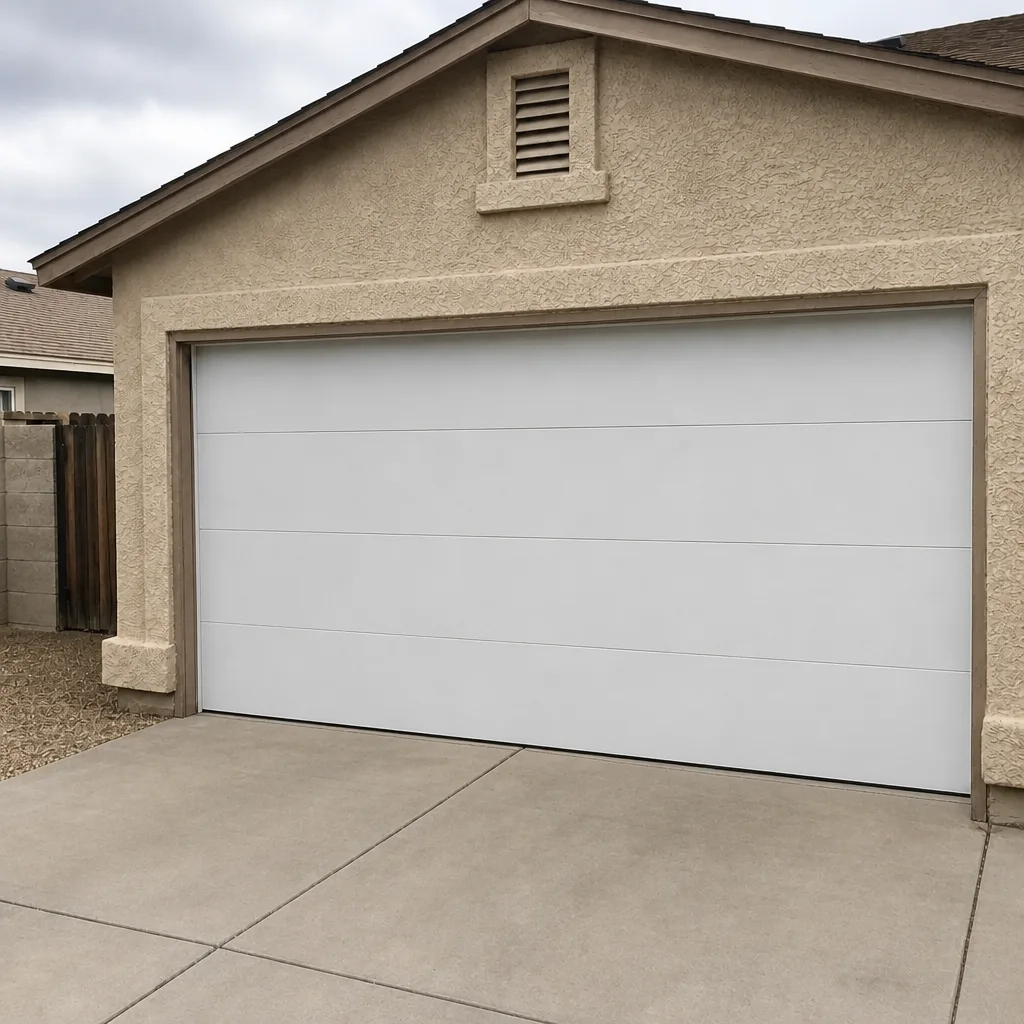
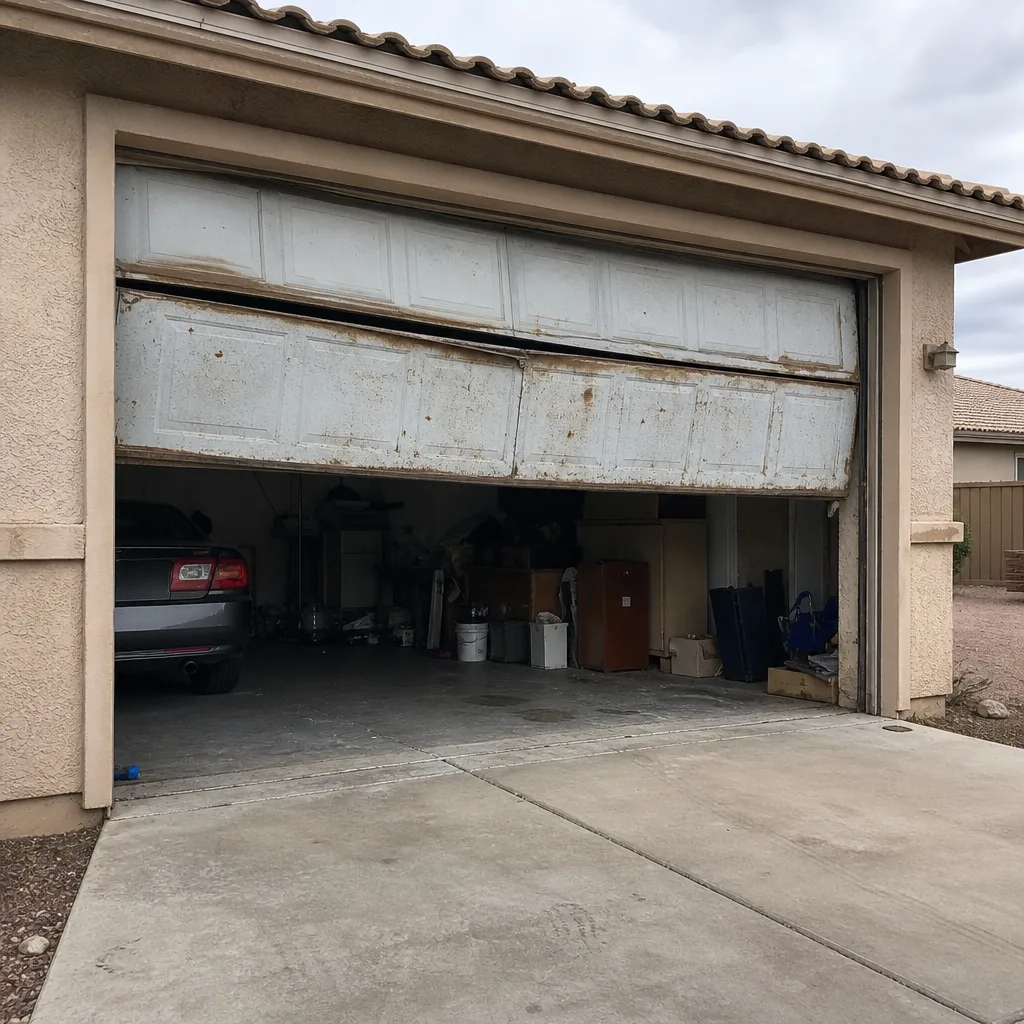
See the difference
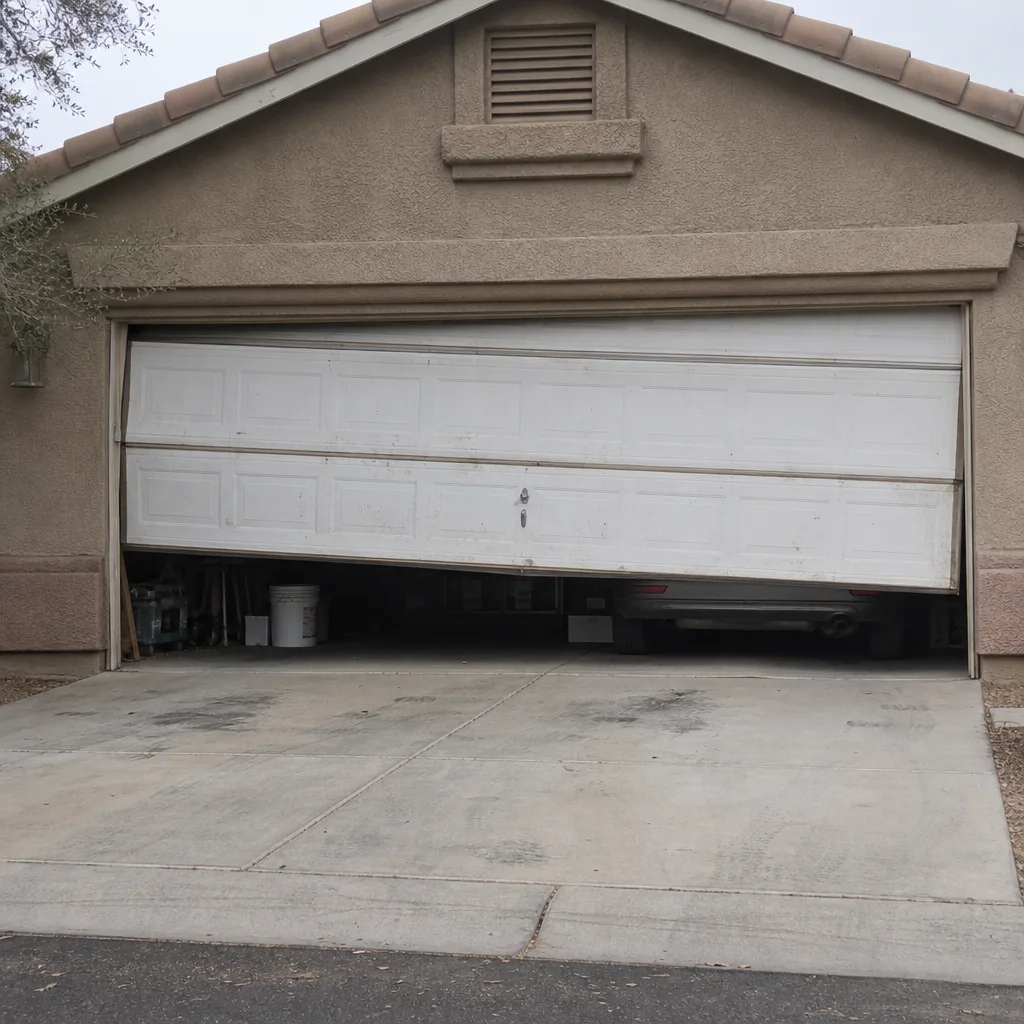 Before
 After
 Before
 After
 Before
 After