
Last updated November 14, 2026
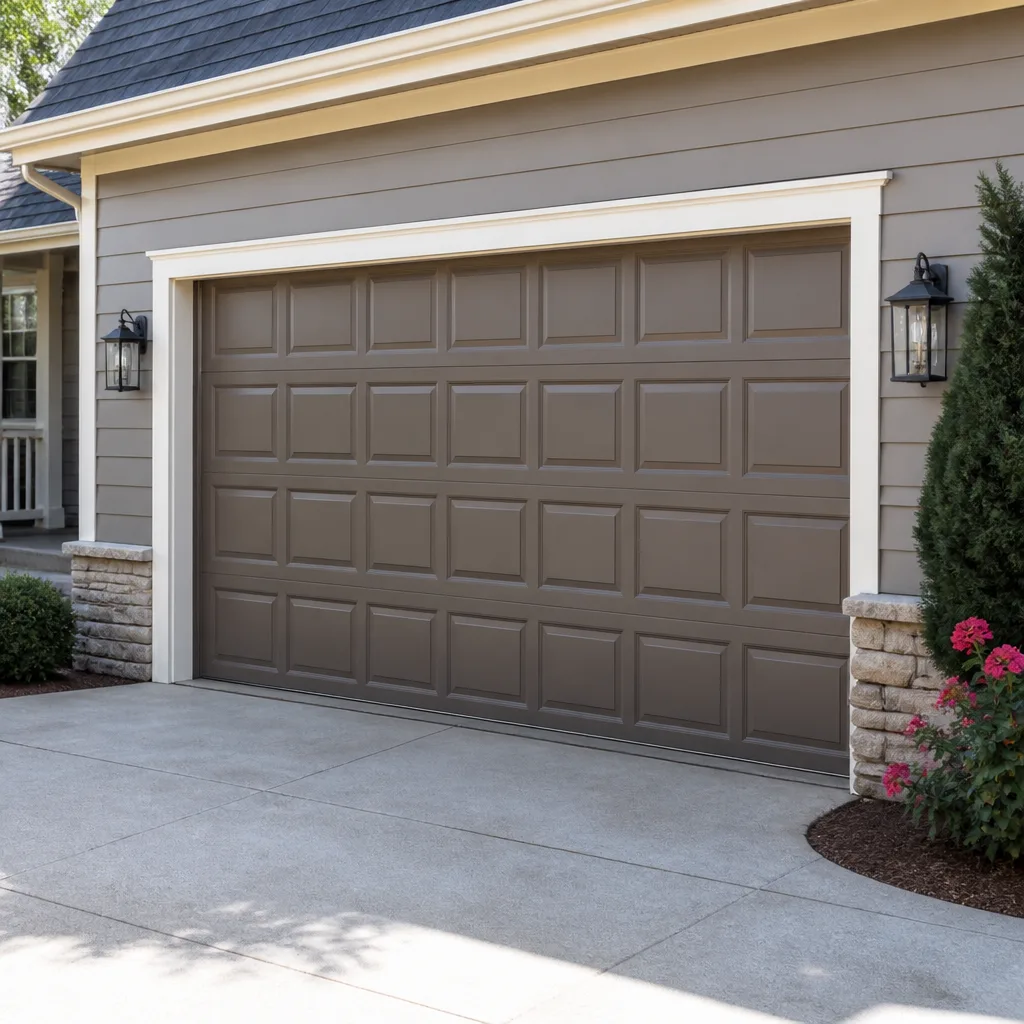 Raised-panel steel
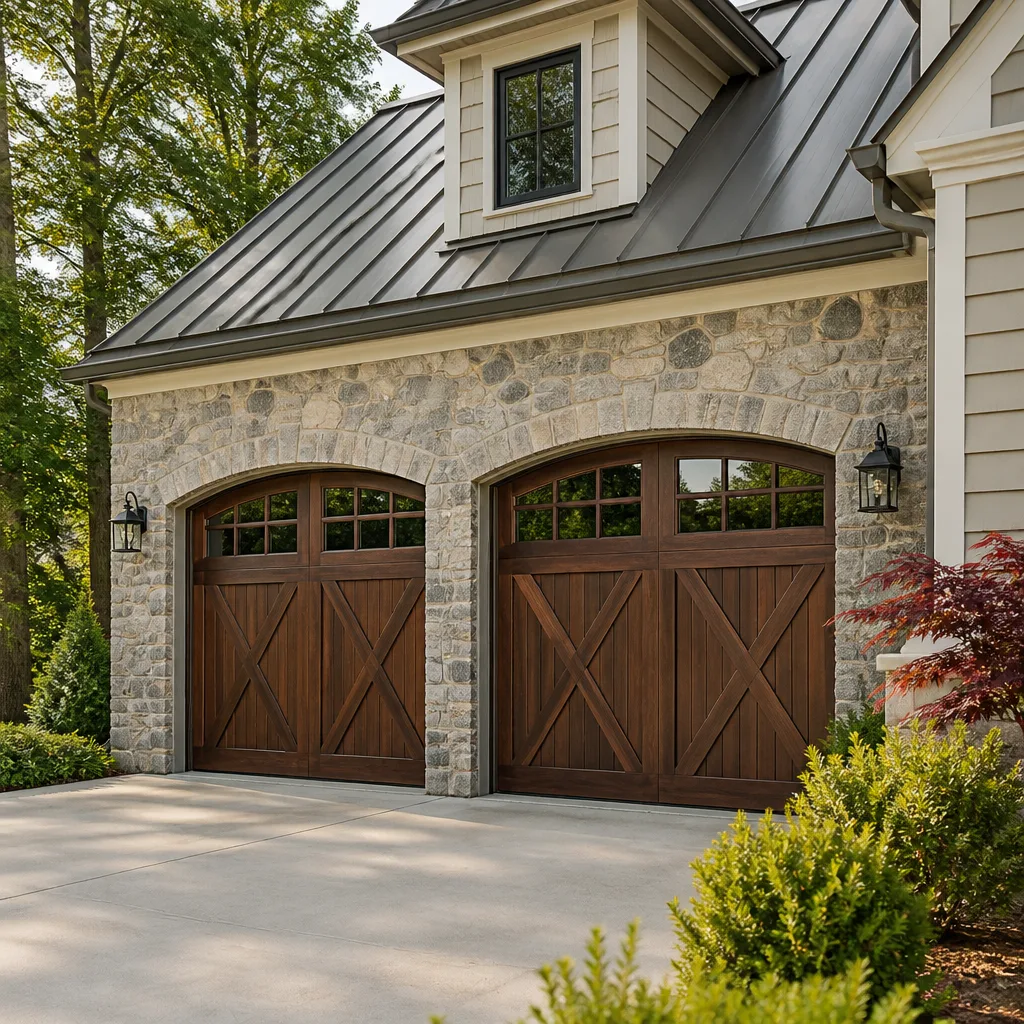 Carriage house
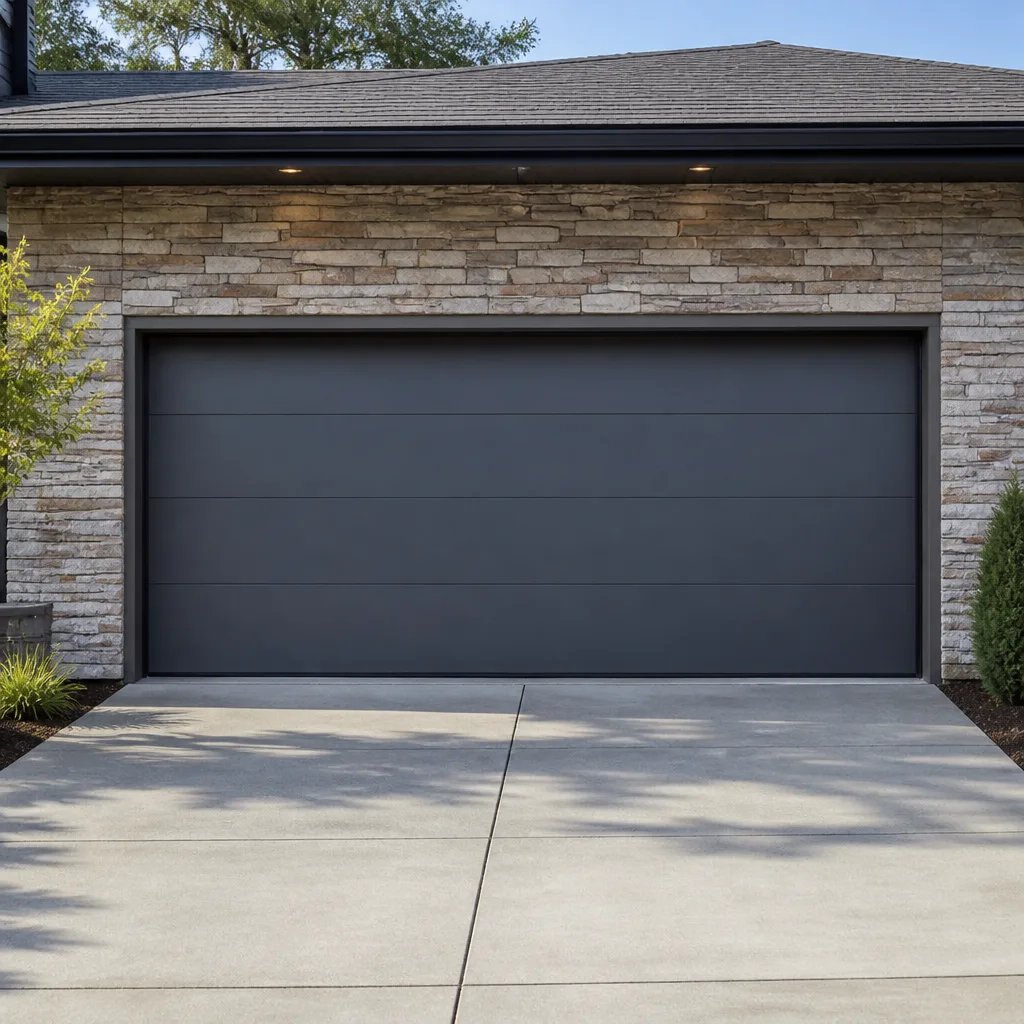 Modern flush
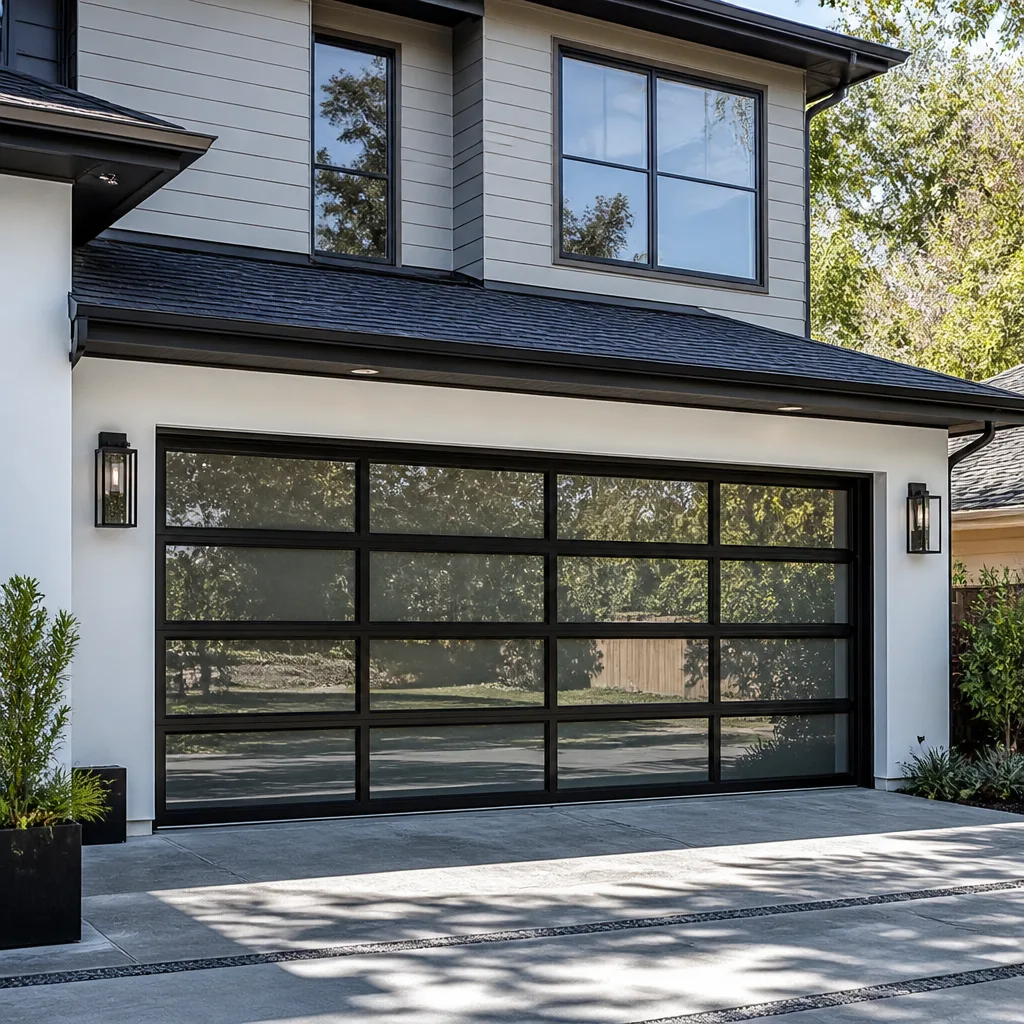 Full-view glass
 LiftMaster openers
 Chamberlain openers
Full 25-point door and opener safety check with every visit - springs, cables, rollers, tracks, and your LiftMaster or Chamberlain opener included
You get a price before we start. It does not change when the pro arrives.
Get your free estimateSeasonal Garage Door Care for Buckeye: Year-Round Homeowner’s Guide
There’s no “winterizing your garage door” advice worth much in Buckeye. What we have here is a calendar with two punishing stretches and two forgiving ones, and the doors that fail are usually the ones that skipped the quiet months and got surprised by the loud ones. The heat between June and September does more to a torsion spring, an opener capacitor and a vinyl weather seal than a cold snap ever will, and the monsoon stretch that overlaps it adds blowing rain and fine silt into the mix. This guide breaks the year into the four windows Buckeye actually has, explains what each one does to your door and opener, and shows you what to check before the stress hits. You’ll finish knowing what you can handle yourself and what should stay in a professional’s hands.
Quick Answer
In Buckeye, seasonal garage door care means inspecting springs, cables, rollers and weather seals in April and May before the heat peaks, testing the opener’s force and travel limits in early summer, sealing gaps before the July and August monsoon, and using October through March as your window for lubrication, hardware replacement and any proactive repair. Peak heat from June through September is when springs lose tension, openers overheat and seals crack, so the work that prevents those failures belongs in the mild months.
Styles & brands we work with
- Raised-panel steel
- Carriage house
- Modern flush
- Full-view glass
- LiftMaster openers
- Chamberlain openers
Table of Contents
- Buckeye’s Real Seasonal Calendar for Garage Doors
- Why Spring Tension Changes Between 45°F and 115°F
- The Pre-Summer Inspection: April and May
- Monsoon Prep: Sealing Against Blowing Rain and Silt
- Opener Heat Thresholds: What Survives a Buckeye Summer
- The Mild Season Window: October Through March
- A Month-by-Month Care Checklist
- When to Call a Professional
What Are Buckeye’s Real Garage Door Seasons?
Buckeye has two expensive seasons and two forgiving ones. The expensive pair is peak heat from June through September and the monsoon overlap in July and August. The forgiving pair is the pre-summer stretch from April through May and the mild season from October through March. Nearly every garage door problem we see in this town traces back to something that was ignored in a mild month and then triggered in a hot one.
A generic seasonal guide written for a northern climate is close to useless here. Most of those guides spend their pages on salt, ice and frozen hinges. None of that applies. What does apply is thermal movement on a scale that surprises people: the same steel door and the same spring assembly expand, contract and shift through a range that spans roughly 70 degrees between a cool winter night and a July afternoon. That repeated movement is the actual wear mechanism in Buckeye, and it’s what a proper seasonal routine is built to manage.
Think of the year in four buckets:
- Pre-summer (April – May): your main inspection and repair window. Springs, cables, rollers, hinges, seals and opener force settings all get checked while the weather is still forgiving.
- Peak heat (June – September): the stress test. Springs lose tension, opener motors and logic boards run hot, and rubber seals dry out. Care in this window is mostly monitoring plus light lubrication.
- Monsoon overlap (July – August): water and dust intrusion. Wind-driven rain and fine desert silt find the bottom seal, the side jambs and the panel seams.
- Mild season (October – March): the best time for anything proactive. Lubrication, hardware replacement, opener service and full installs all go more smoothly when it isn’t 110 degrees.
Once you know which bucket you’re in, the maintenance decisions get a lot simpler. You’re not asking “what should I do to my garage door this month?” You’re asking “where am I in the cycle, and what does this stretch actually demand?”
Why Does Spring Tension Change Between Buckeye’s Cool Nights and Hot Afternoons?
Metal changes length when it changes temperature, and a torsion spring is a long piece of wound steel under constant load. Between a 45°F winter night and a 115°F summer afternoon, that spring assembly is doing its job across a roughly 70-degree swing, and the door panel, track and hardware expand and contract with it. The result is that a door perfectly balanced in January can feel heavy in July and slightly over-tensioned in December.
Over the course of a few years, that repeated cycling adds up. Steel fatigues. A spring doesn’t usually fail from one bad day; it fails because it has been wound and unwound thousands of times while the metal around it moved. In our experience, the doors that snap springs are often the ones that never got balance checked during the mild season, when a slightly off balance could have been corrected cheaply.
What “balance” actually means
A balanced door rests at mid-height when you disconnect the opener and lift it by hand. If it drifts down when you let go, or if it wants to shoot up, the spring tension is out of step with the door weight. That check takes thirty seconds and tells you more about the health of the door than any other single test.
What to do about it, and what not to do
The right response is to have a technician check the balance and adjust the winding if needed during the mild season. The wrong response is to adjust the spring yourself. Torsion springs and their cables hold stored energy that can release violently, and garage door spring and cable work is the one part of this trade where a DIY attempt can cause serious injury. Even an exposed winding cone or a loose cable should stay in trained hands. Ask your technician to check balance as part of any annual service, and treat any sudden change in how the door feels as a reason to stop using it and get it looked at.
What you can safely do at home is keep the moving parts lubricated so the door isn’t fighting friction on top of thermal movement. More on that in the mild season section below.
The Pre-Summer Inspection: Why April and May Matter Most in Buckeye
April and May are the last comfortable weeks before the heat locks in, which makes them the single best window for a full inspection and any repairs that come out of it. A spring that’s already showing fatigue, a roller with a flat spot or a seal that’s starting to crack is far easier and cheaper to deal with now than on the day it fails in July. This is the check that most homeowners skip, and it’s the one that prevents the summer breakdowns.
Here’s the walkthrough we recommend, in order:
- Disconnect the opener and test balance by hand. Lift the door to mid-height and let go. It should hold. If it sinks or rises, the spring tension needs attention from a professional.
- Look at the springs. A visible gap in a torsion spring, or a stretched-out extension spring, means it’s done. Don’t run the door on a broken spring.
- Inspect cables for fraying or slack. Frayed strands and a cable hanging loose are both stop-and-call signs.
- Check rollers and hinges. Worn nylon rollers get flat spots. Steel rollers wear at the bearing. Grinding or squealing is the tell.
- Run a fingertip along the bottom seal and the side jambs. Cracks, hardening or a seal that no longer touches the floor are all pre-summer replacement items.
- Test the opener’s safety reverse. Put a small object in the door’s path and confirm the door reverses on contact, and check that the photo-eye sensors are aligned and unobstructed.
- Look at the track for dents or misalignment. A small bend from a bumped car or a stray ball tends to get worse once the door starts running hot and tight.
If everything passes, you’re set for the summer. If one or two items need work, you’ve bought yourself a calmer June through September. That’s the trade this inspection is making. It costs you an afternoon in May and saves you a panicked call on the hottest day of the year.
Monsoon Prep: Sealing Your Garage Against Blowing Rain and Silt
Buckeye’s monsoon months bring wind-driven rain, and the direction it comes from isn’t always the direction your door faces. That’s the part people miss: water and fine desert silt don’t just push straight at the door. They get driven sideways into side jambs, up under the bottom seal and into the seams between panels. A door that stayed dry all spring can take on water in July from an angle nobody thought to check.
The prep work is mostly about the seals, and it’s best done in late June, before the first real storms:
- Bottom seal: check that it compresses against the floor along the full width of the door. If any portion lets light or air through, water will follow. A worn bottom seal is one of the most common monsoon prep items.
- Side and top jamb seals: these are the ones that stop the sideways intrusion. Look for gaps, shrinkage or seals that have pulled away from the frame.
- Panel seams: on multi-panel doors, water can track into the seams and sit against the steel or the insulation backing. A wipe-down and a look for rust or trapped silt tells you whether that’s happening.
- Track and bottom of the frame: silt collects where the door meets the floor. Clear it so the seal can seat properly.
- Inside the garage: after a storm, check the floor near the door for damp spots. That’s your best evidence of where water is getting in.
You can check all of this yourself. Replacing seals and jamb weatherstripping is a job a technician can do in a single visit, and it’s worth doing before the storms rather than after. It’s also a good time to look at the door’s finish. In Buckeye the sun and the dust do most of the cosmetic damage, and a door that’s lost its finish to heat and grit is more likely to take on moisture at the seams.
Opener Heat Thresholds: Which Motors Handle a Buckeye Summer?
Garage openers generate heat while they run, and they sit in the hottest room of the house. An uninsulated garage in Buckeye in July can get punishingly hot, and the opener’s motor, capacitor and logic board are all working in that environment. The failure pattern we see most is a door that runs fine all spring and then starts stalling, reversing or refusing to close on the hottest afternoons of the year.
Here’s how the common motor types tend to hold up:
- Chain-drive openers are the workhorses. They handle heat well and are common on heavier doors, but they’re louder and the chain needs periodic lubrication.
- Belt-drive openers run quieter and cooler than chain drives in most cases. They’re a solid fit for attached garages where noise matters.
- Screw-drive openers have fewer moving parts and generally tolerate heat well, but they can be noisy and the screw needs to stay clean.
- Jackshaft openers mount on the side of the door rather than overhead, which keeps them out of the hottest air near the ceiling. Worth considering on high-lift or torsion setups.
What actually helps, regardless of motor type:
- Clear the space around the opener head. Stored boxes and clutter trap heat and block airflow.
- Insulate the garage door itself. An insulated door keeps more heat out of the garage, which keeps the opener cooler.
- Keep the door balanced. An out-of-balance door makes the opener work harder on every cycle, and extra work means extra heat.
- Lubricate the door’s moving parts. Less friction on the door means less load on the motor.
- Test the force and travel limits before summer. An opener that’s already straining at the limits will fail first when the heat arrives.
If your opener is older or has been stalling in the heat for a couple of summers, it’s worth having it looked at rather than waiting for a full failure. Our garage door opener repair service covers the drive system side, and we work on LiftMaster, Chamberlain, Genie, Craftsman and Raynor openers, so we arrive familiar with the hardware already in your garage. Brand-neutral diagnostics matter here because the right recommendation depends on your door’s weight, your garage’s heat exposure and how you actually use the door, not on which brand a technician prefers to push.
The Mild Season Window: Why October Through March Is Your Best Repair Time
October through March is when Buckeye homeowners should do the work that keeps a garage door alive for years. The heat stress is off, the door runs cooler and easier, and any repair done now has months to settle before it has to perform in summer. If you’ve been meaning to replace worn rollers, swap a tired seal, or get a full tune-up, this is the window.
The mild-season routine looks like this:
- Lubricate the moving parts. Rollers, hinges, springs and the opener’s chain or screw all benefit from a proper garage-door lubricant. Avoid heavy grease that attracts dust; in Buckeye, dust is half the problem.
- Balance check and tension adjustment. Have a technician check the balance and adjust the spring winding if needed. That 45°F night and 115°F afternoon swing means the door’s balance will shift over the year, and a mid-season correction keeps the door tracking true.
- Replace worn hardware. Rollers, hinges and bearing plates are cheap parts that fail quietly. Swap them before summer. If your door has been noisy all year, this is the fix.
- Check the opener. Have the force and travel limits set, the safety reverse tested, and the drive checked while the weather is mild.
- Inspect and refresh the door’s finish. Steel and painted doors take a beating from sun and dust. A clean, refinished door sheds silt more easily and resists moisture at the seams.
- Plan ahead for anything major. If the door is nearing the end of its life or you’re thinking about a new installation, the mild months are the right time. New installation is a measured, ordered and scheduled job, and it goes more smoothly when the weather isn’t fighting you.
This is also the season when a full-tune-up makes the most sense. It’s one visit, it covers the door and the opener together, and it gives you a written record of what was checked. Whether your door is a Clopay, an Amarr or a Wayne Dalton, the principles are the same: keep the moving parts clean and lubricated, keep the door balanced, keep the opener within its limits, and fix small things before they become big ones. That’s the Brightline standard on every job, whatever the brand.
A Month-by-Month Garage Door Care Checklist for Buckeye
If you’d rather follow a calendar than remember the seasons, here’s the month-by-month version. Each month’s item is the one that matters most in Buckeye at that point in the year.
- January: balance check. The cool nights are a good time to notice if the door feels heavy or light, and a balance issue found now is a cheap fix.
- February: lubricate rollers, hinges, springs and the opener’s drive. Mild weather makes it easy.
- March: inspect seals and hardware. Look for cracks, hardening and worn rollers before summer stress arrives.
- April: full pre-summer inspection. Balance, springs, cables, rollers, track, seals and opener all get checked. This is the single most important month on the checklist.
- May: complete any repairs flagged in April. Repairing in May beats repairing in July.
- June: test the opener’s force, travel limits and safety reverse, and clear the space around the opener head.
- July: monsoon prep. Check bottom, side and jamb seals, and clear silt from the track and floor.
- August: post-storm check. Look for water on the garage floor near the door, and check seals again after the heaviest storms.
- September: end-of-summer review. If anything failed or struggled through the heat, book the repair now while the forecast is cooling.
- October: mild-season tune-up. Lubricate, check balance, replace worn hardware and set the opener.
- November: inspect the door’s finish and seams, and clean out any silt that made it inside.
- December: winter readiness. Test the door and opener by hand and by remote, and note anything that needs attention in the new year.
This is a lot of steps, and nobody needs to do all of them every year. If you do the April inspection and the October tune-up, you’ve covered most of the value. Everything else is monitoring, and monitoring is what keeps a Buckeye garage door from becoming a summer emergency.
See the difference
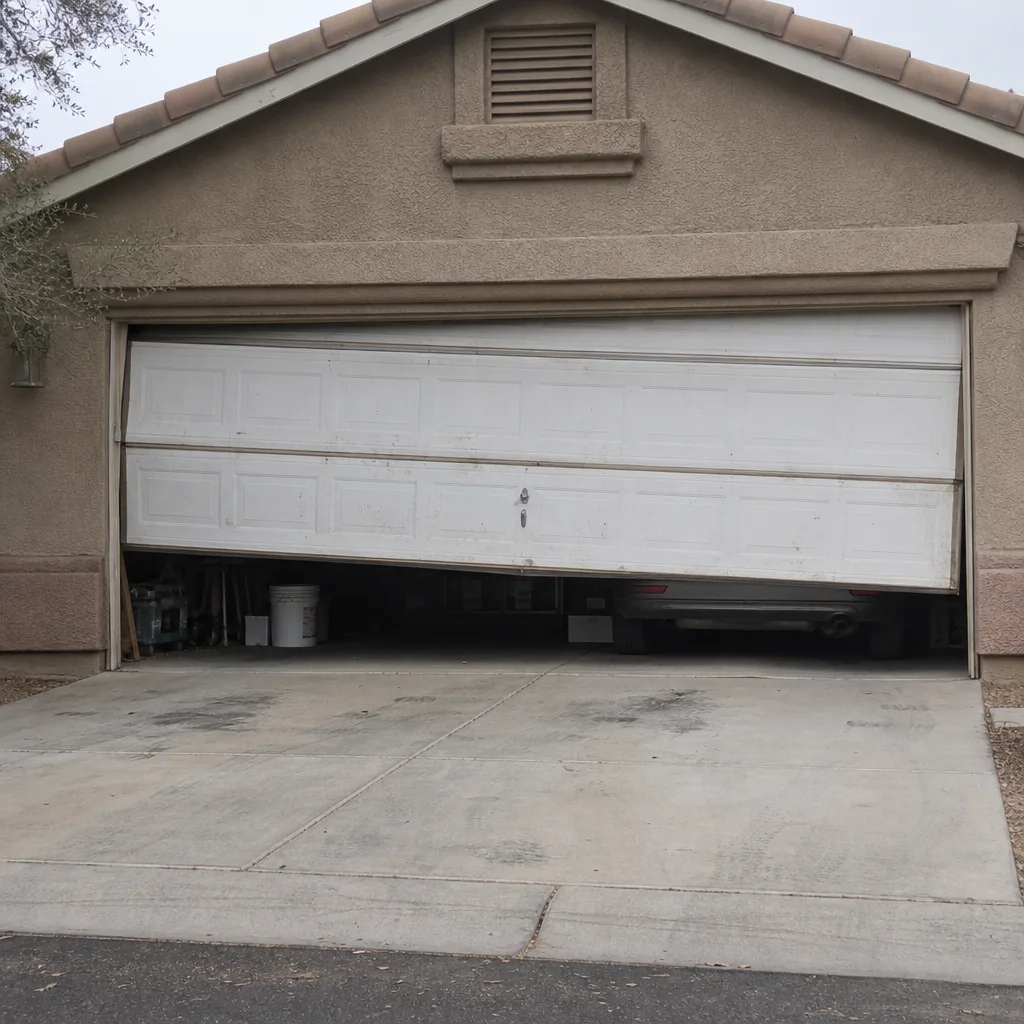 Before
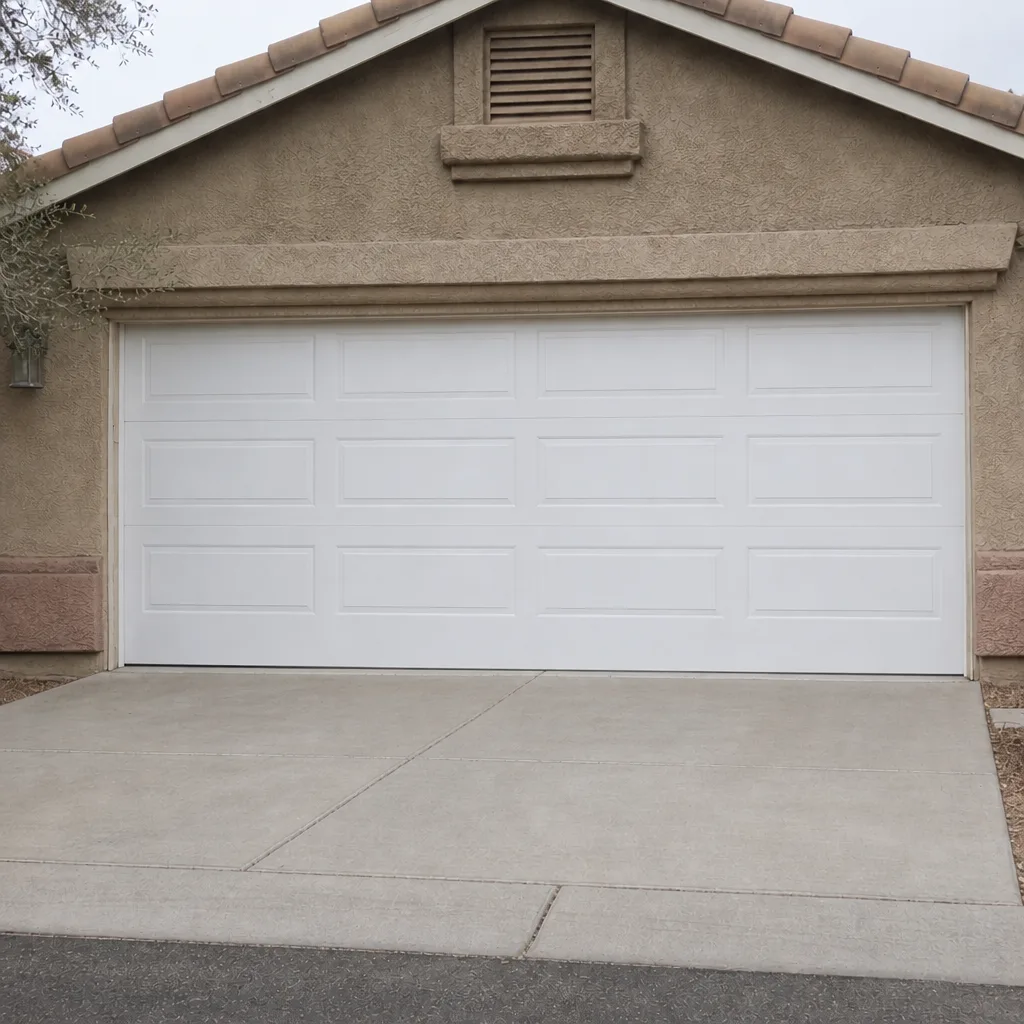 After
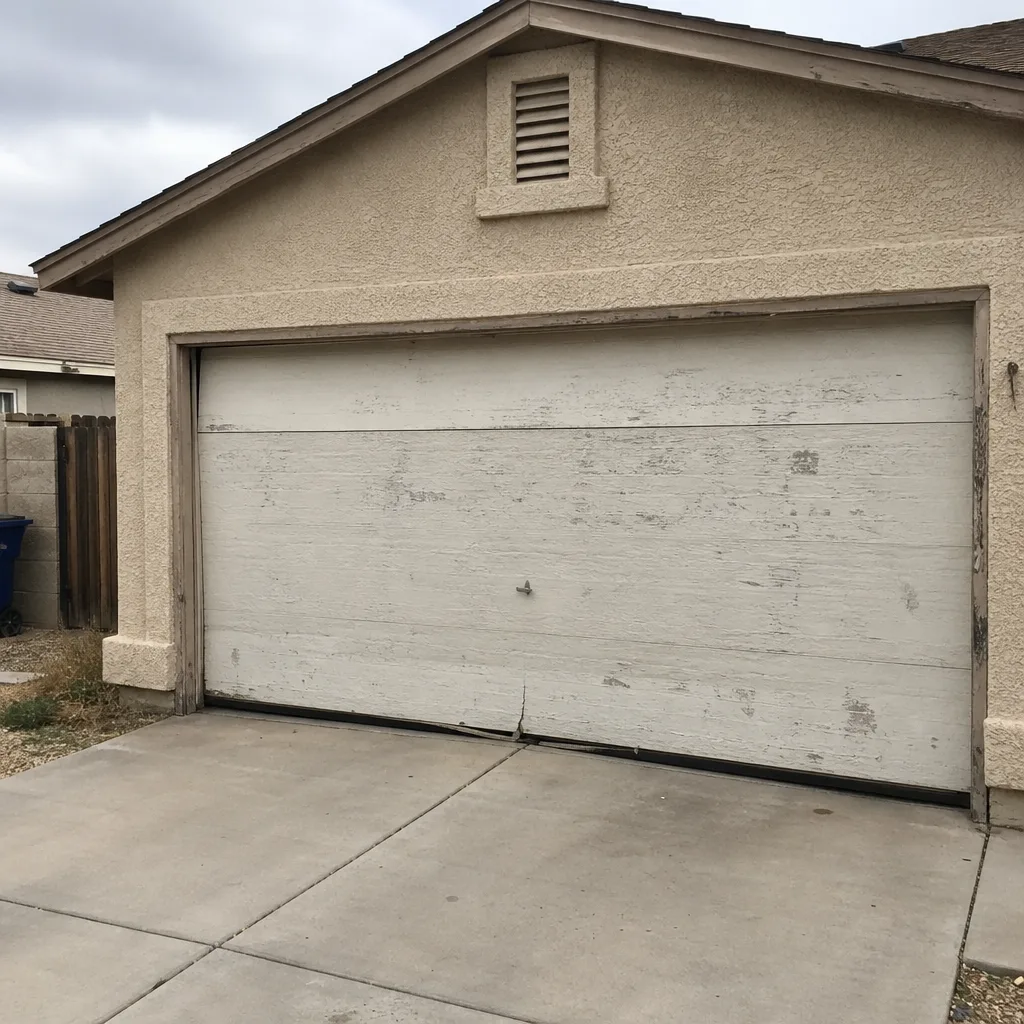 Before
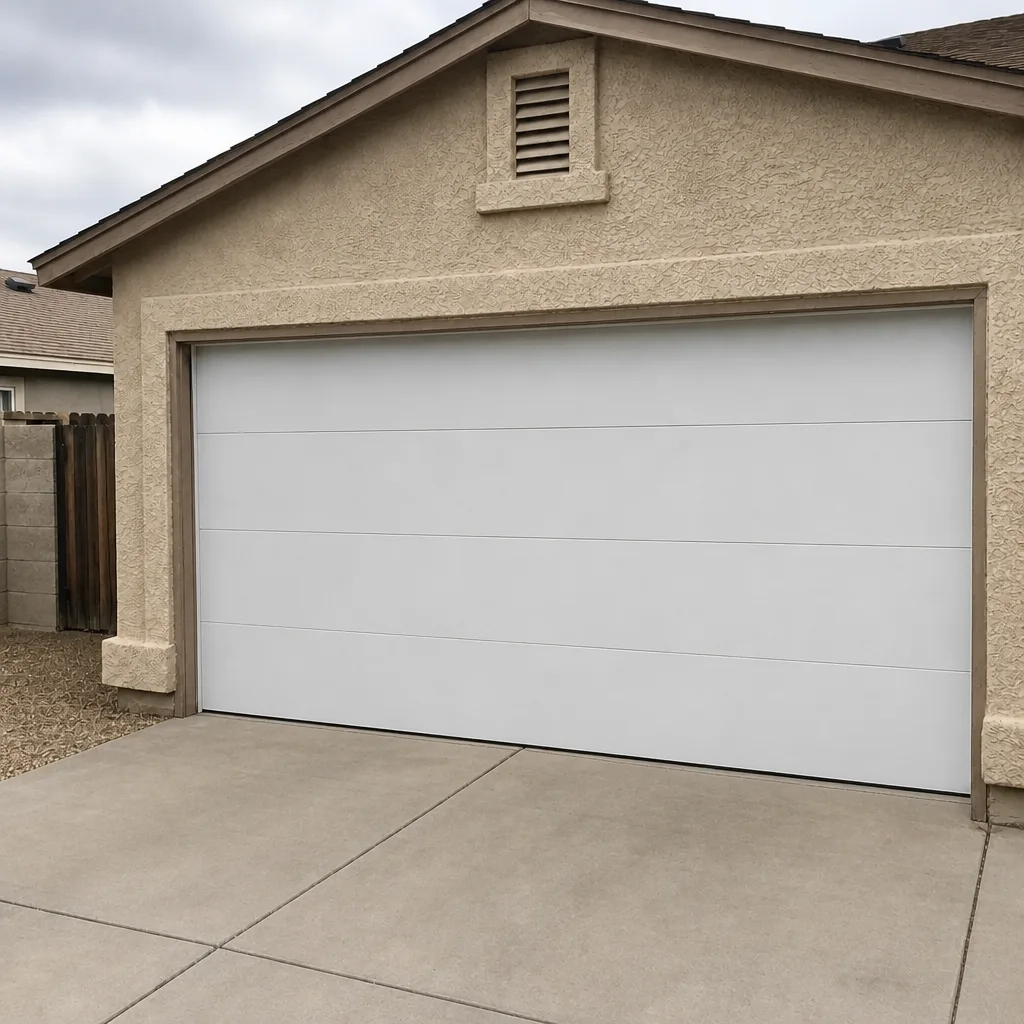 After
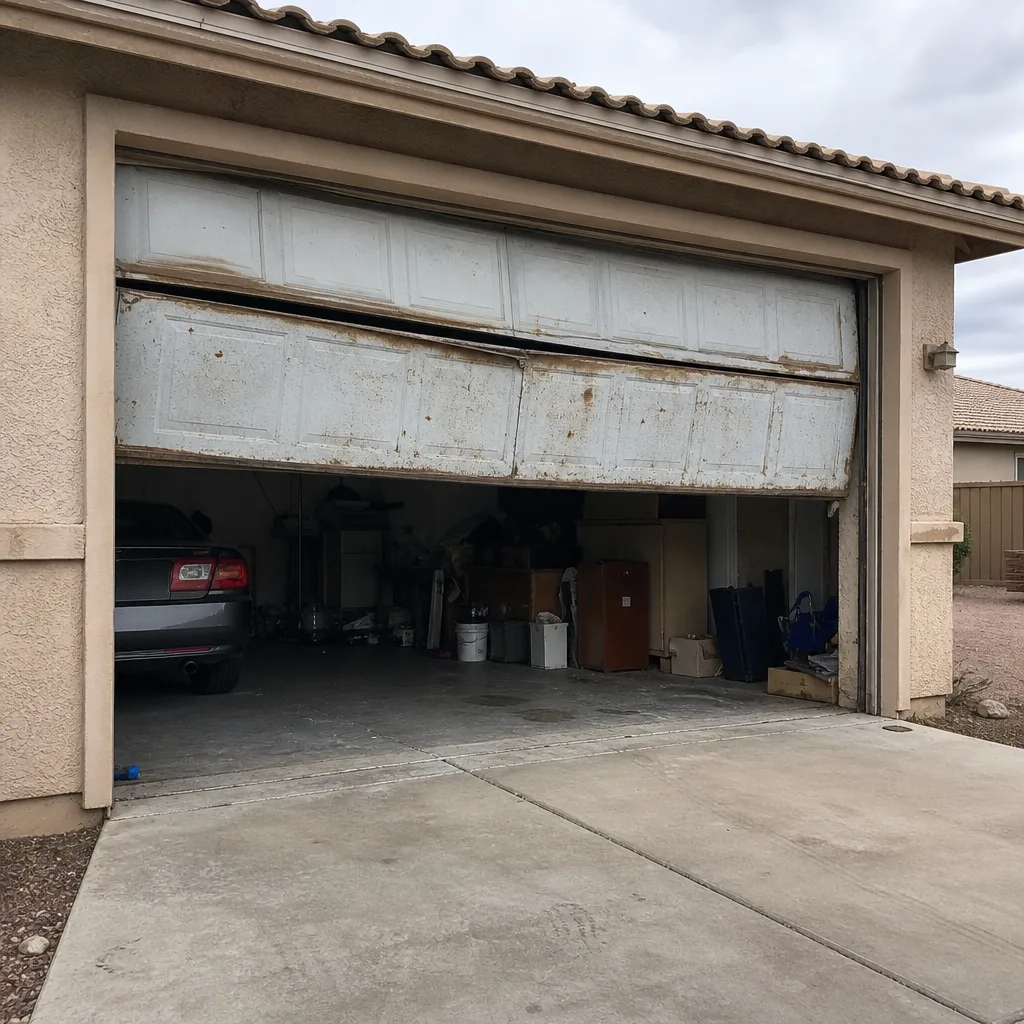 Before
 After
Common Mistakes to Avoid
- Treating the mild months as a reason to do nothing. October through March feel calm, so it’s tempting to skip maintenance. That calm window is exactly when a small repair is cheap and easy, and skipping it is how doors arrive at June with worn parts.
- Ignoring balance because the door still opens. A door that runs can still be badly out of balance, and an out-of-balance door is the one that snaps a spring. Check it by hand each spring and have a professional correct it.
- Adjusting the springs yourself. This is the most dangerous part of garage door work in any climate. Torsion springs and their cables hold stored energy, and a DIY adjustment is the fastest way to get hurt. Stop and call.
- Skipping the monsoon seal check because the door looks fine. Wind-driven rain comes from an angle you can’t see from the driveway. Look for gaps at side and bottom seals before the first storms, not after.
- Lubricating with the wrong product. Heavy grease attracts dust, and Buckeye has plenty of it. Use a garage-door-specific lubricant, and use it sparingly on rollers, hinges and springs.
- Blaming the opener when the door is the problem. Most “broken opener” calls turn out to be a door that’s out of balance or a roller that’s dragging. Diagnose the door first, then the motor.
- Letting clutter build around the opener head. In a Buckeye garage, that clutter traps heat right where it does the most damage. Keep the space clear.
- Waiting for the hottest day to call. A repair in April is a scheduled visit. A repair on the hottest afternoon of July is an emergency. The seasonal routine’s whole job is to move your calls earlier in the year.
When Should You Call a Professional?
Call a professional for anything involving springs, cables, balance adjustments or the opener’s electrical work, and call immediately if the door won’t open or close evenly, a spring is visibly broken, a cable is frayed or hanging, the door is making a grinding or popping sound, or the opener reverses without a clear reason. Those are the scenarios where running the door is risky to the hardware and, in the case of springs and cables, to you. Noisy rollers and worn seals are safe to note and schedule; broken springs and dragging cables are stop-and-call.
We handle all three sides of this trade, whether you need garage door repair, an opener fix, or a full new door, and our technicians have up to 15 years of experience. If you’re ready for a season-by-season routine rather than a once-a-year scramble, Brightline Garage Door Repair offers free estimates in Buckeye. Call (833) 519-6766. We answer 24/7. Fast dispatch from 7am to 7pm, Sunday through Friday.
Frequently Asked Questions
Yes, and the difference is bigger than most homeowners expect. Summer heat stresses springs, opener motors and seals, while the mild winter is when you should do the lubrication, balance checks and hardware replacement. Bulk of care happens in the mild months; the summer is when you monitor and react.
Twice a year is the right rhythm here: a full inspection in April or May before the heat peaks, and a tune-up in October once the worst of it has passed. A door that gets both of those is far less likely to fail in July. Call (833) 519-6766 for a free estimate.
Heat changes the tension in the springs and the expansion in the door and track. A door that’s slightly out of balance in mild weather can feel noticeably heavier once the garage is very hot. Have the balance checked before summer, and don’t keep running a door that’s struggling.
Focus on the seals. Check that the bottom seal touches the floor along its full length, look at the side and jamb seals for gaps, and clear any silt from the track and the bottom of the frame. Wind-driven rain finds side gaps you can’t see from the driveway.
Lubricate yes, adjust no. Lubrication of rollers, hinges and springs is safe and recommended. Adjusting or replacing springs and cables is dangerous work that should stay with a trained technician. Never attempt to wind or unwind a spring.
We service LiftMaster, Chamberlain, Genie, Clopay, Amarr, Wayne Dalton, Craftsman and Raynor equipment, covering both the door hardware and the opener. Because we’re brand-neutral, the recommendation follows what your door actually needs. Call (833) 519-6766 for a free estimate.
The Bottom Line
The seasonal care routine that works in Buckeye is built around the climate we actually have, not a northern template. Peak heat and the monsoon overlap are the two stress seasons, and the work that prevents problems belongs in the mild months on either side. Do a full inspection in April and May, monitor springs and opener force through the summer, check seals before the July storms, and use October through March for lubrication, hardware replacement and any proactive repair. We’ve built our seasonal guides around this calendar because it’s what we actually see on the doors we service across Buckeye and the surrounding West Valley.
If you’d like a professional to look at your door before the next stress season, call Brightline Garage Door Repair at (833) 519-6766. Every visit is quoted, and the price is agreed before any work starts. We serve the community through our Buckeye service area, and you can read more about the full range of work we do on our Brightline Garage Door Repair page. One call covers repair, opener service and installation, with fast diagnosis, an honest scope and the correct fix.
Written by the team at Brightline Garage Door Repair.