
Last updated November 14, 2026
 Raised-panel steel
 Carriage house
 Modern flush
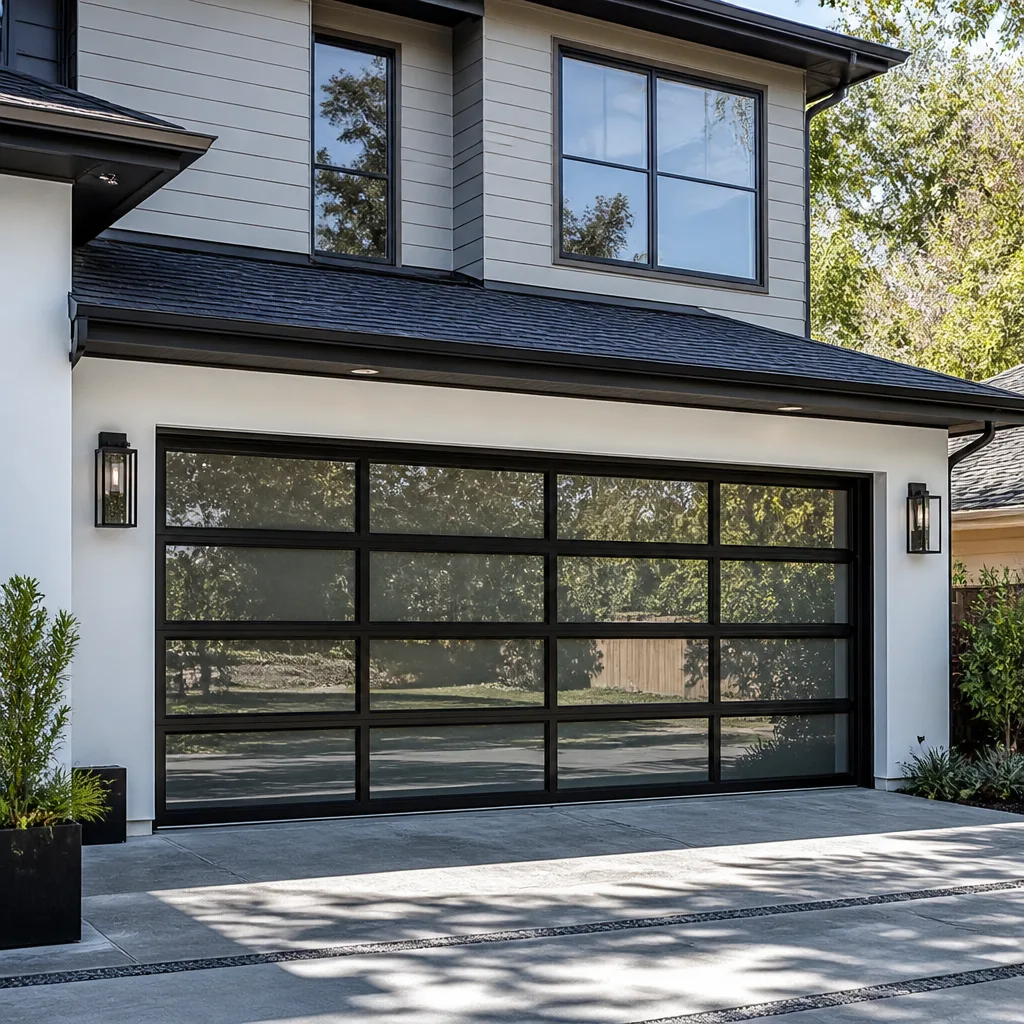 Full-view glass
 LiftMaster openers
 Chamberlain openers
Full 25-point door and opener safety check with every visit - springs, cables, rollers, tracks, and your LiftMaster or Chamberlain opener included
You get a price before we start. It does not change when the pro arrives.
Get your free estimateThe Complete Guide to Garage Doors in Buckeye
Most people think the desert is easy on a garage door. No road salt, no ice, no snowplows throwing slush against the panels. But a garage door in Buckeye faces a harder test than almost anywhere else in the country. Daytime highs climb past 100°F for months, the panels cool sharply after dark, and fine dust works its way into every roller and hinge. Then there’s the housing itself: Buckeye has grown at a pace that put tens of thousands of builder-grade doors into service fast, and many of those doors were never built for this climate over the long haul. This guide covers what fails, why, how to choose materials and openers that hold up, and how to know when to repair versus replace.
Quick Answer
A garage door in Buckeye lasts longest when you choose an insulated steel or composite door rated for extreme heat, service the rollers, tracks, and weatherstripping before dust buildup turns into wear, and pick an opener rated for the load and cycle count your household actually uses. Builder-grade doors fail faster here than elsewhere because constant thermal cycling and desert particulate age hardware quickly. Repair usually beats replacement until the panels themselves are damaged or the door is past its useful service life.
Styles & brands we work with
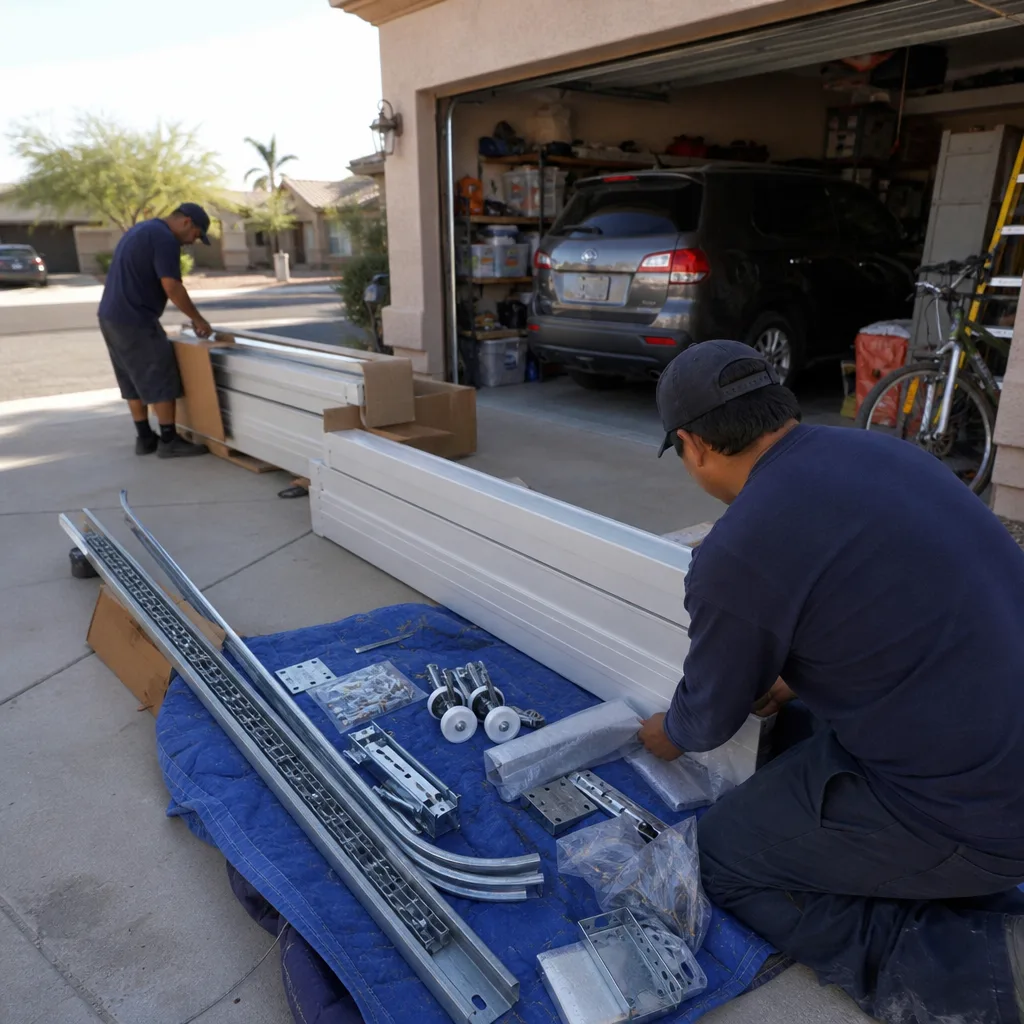
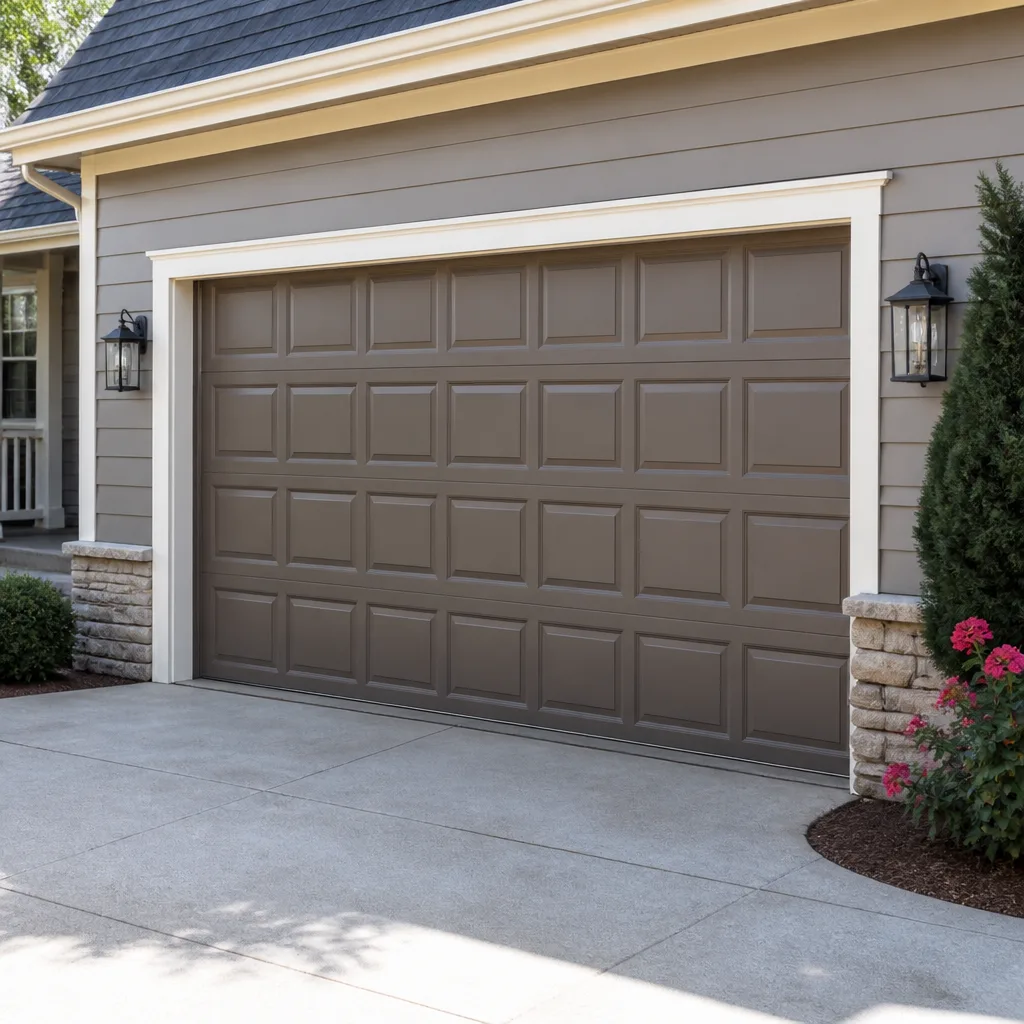
- Raised-panel steel
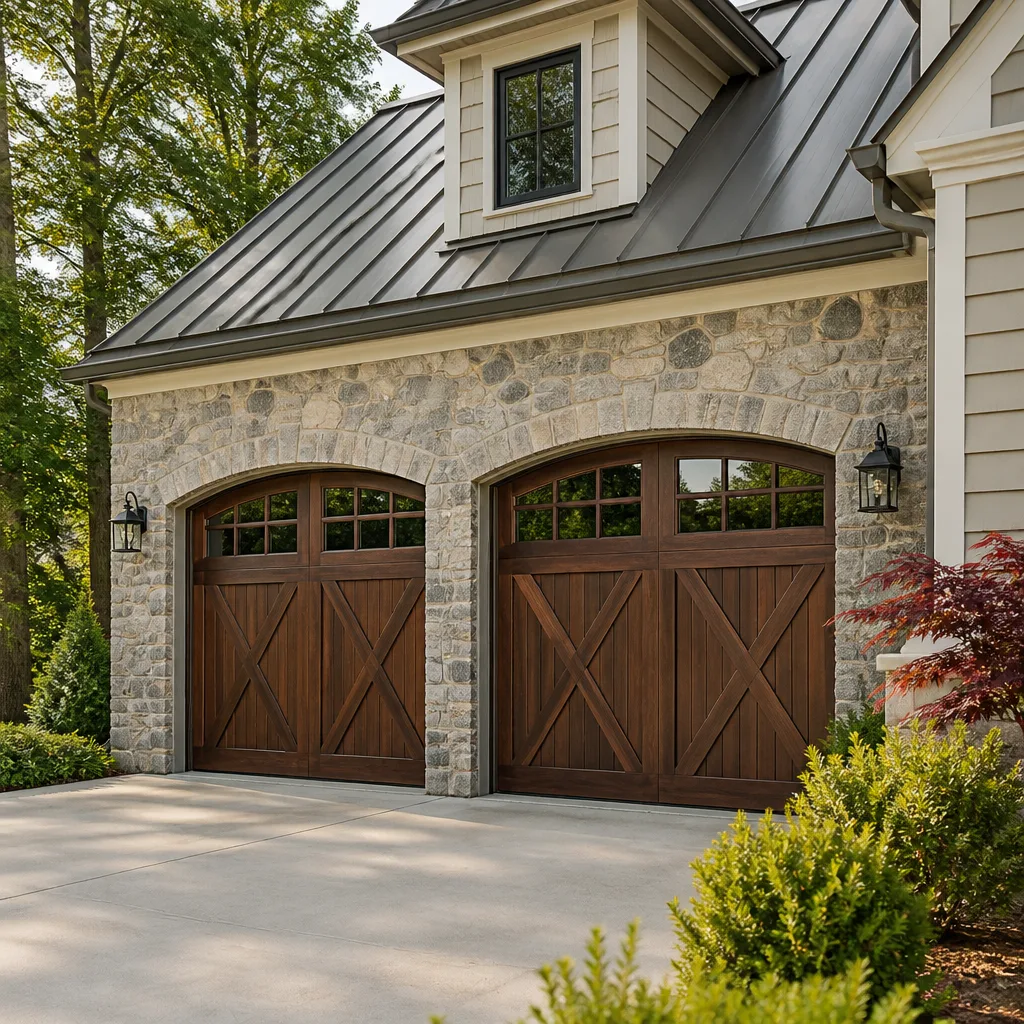
- Carriage house
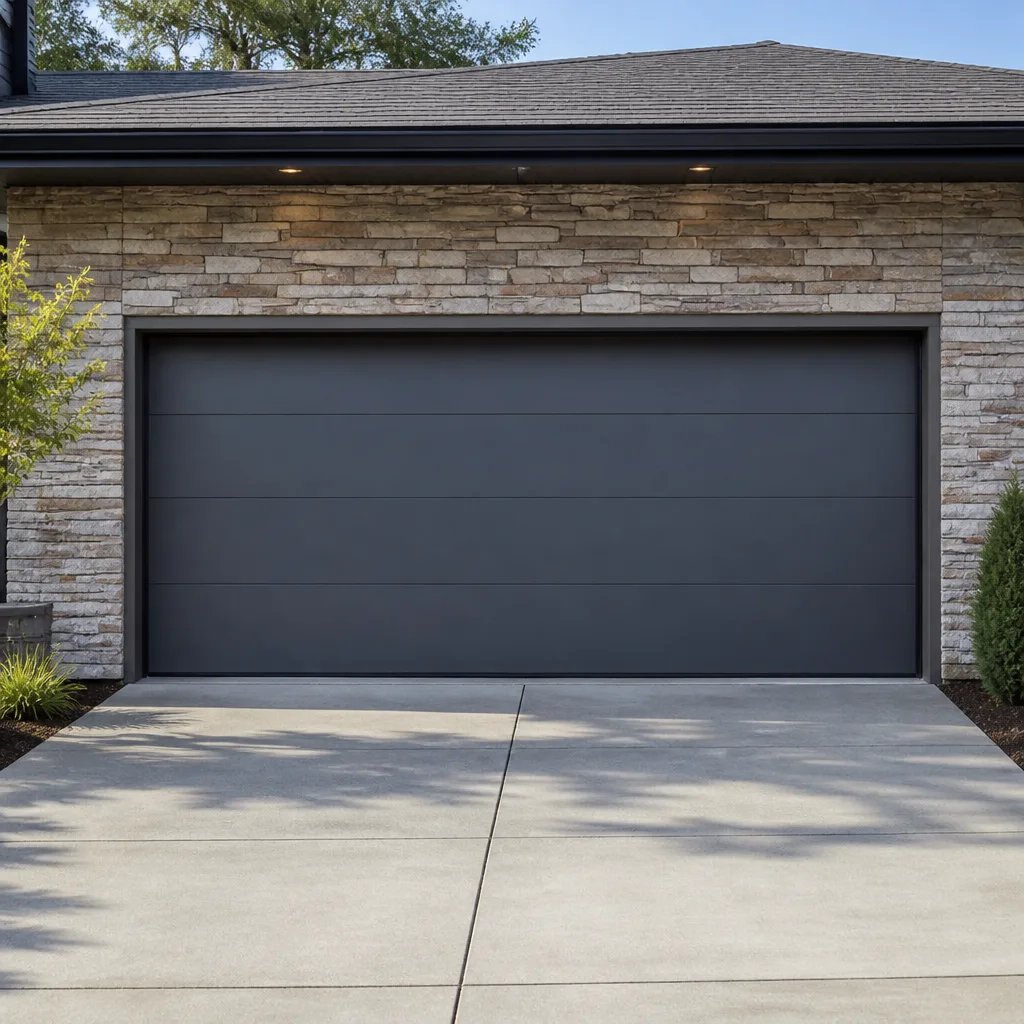
- Modern flush
- Full-view glass
- LiftMaster openers
- Chamberlain openers
Table of Contents
- Why Buckeye Is Hard on Garage Doors
- The Builder-Grade Door Problem in New Buckeye Developments
- Insulation and R-Value: What Actually Works Here
- How Desert Dust and Haboobs Wear Down Your Door
- Choosing Door Materials for Sonoran Desert Heat
- Picking an Opener That Survives the Heat
- The Attached-Garage Reality in Buckeye
- Repair or Replace? How to Decide
Why Buckeye Is Hard on Garage Doors
Buckeye sits in the Sonoran Desert west of Phoenix, and the climate does two things to a garage door that milder climates don’t. First, it heats the door itself. A west- or south-facing steel panel absorbs sun for hours, and the surface can get hot enough to be uncomfortable to touch while the air temperature is still in the low 100s. Second, it cools fast after sunset. That daily swing expands and contracts the metal, the hinges, and the fasteners holding it all together. Over months and years, that movement loosens screws, warps light-gauge panels, and works lubricant out of the moving parts.
None of this happens in a single dramatic failure. It’s a slow accumulation. A door that was tight and quiet the day it was installed develops rattles, then a roller that drags, then a torsion spring that’s working harder than it should because the door no longer travels smoothly.
The other factor is the pace of growth. Buckeye is one of the fastest-growing cities in the country, and that means a huge share of the local garage door stock went in during construction booms. Builder-grade doors are chosen for cost and speed of installation, not for a long service life in extreme heat. Homeowners who move into a new development often inherit a door that’s already on a shorter clock than they realize.
Understanding those two forces – climate and housing stock – explains almost every garage door problem we see in Buckeye.
The Builder-Grade Door Problem in New Buckeye Developments
When a production builder installs a garage door, the goal is a door that meets code, looks fine on move-in day, and keeps the project on budget. That’s not a knock on builders. It’s just how volume construction works. The problem is that a door designed to that standard was never meant to last more than about a decade in the Sonoran Desert, and thermal cycling here speeds up the aging process.
Here’s what typically fails first on a builder-grade door in Buckeye:
- Light-gauge steel panels that oil-can and dent from the constant expand-and-contract cycle. Once a panel warps, the door no longer seats evenly and the weatherstripping stops sealing.
- Standard-duty rollers that were fine for a mild climate but wear flat spots and start grinding within a few years of heavy heat and dust.
- Basic hinges whose fasteners loosen as the metal moves. Loose hinges put the whole door slightly out of alignment.
- Openers sized to the minimum, with plastic drive gears that harden and strip under repeated heat stress.
- Weatherstripping that dries out, cracks, and pulls away from the frame, letting dust and heat into the garage.
If you bought in a newer Buckeye development and your door is five to ten years old, you’re likely in that window where these parts start showing their age. That doesn’t mean the whole door is finished. Often the panels are still sound and what’s needed is hardware-level garage door repair: new rollers, hinges, a fresh spring, and new weatherstripping. That’s far cheaper than a full replacement and it addresses the parts that actually failed.
Insulation and R-Value: What Actually Works Here
National garage door buying advice tends to assume a cold climate. It tells you to buy the highest R-value you can afford so you don’t lose heat through the door in winter. Buckeye flips that logic. Our winters are mild. The insulation that matters here is doing a different job: keeping the brutal summer heat out of the garage, and keeping the garage from turning into an oven that pushes heat into the rest of the house.
For an attached garage in Buckeye, an insulated door in the middle of the range is usually the sweet spot. You get meaningful heat resistance without paying for extreme cold-climate performance you’ll never use. The key points:
- Insulation matters most on an attached garage, where the garage shares a wall (and often a ceiling) with living space. A hot garage drives up cooling costs in the rooms next to it.
- A single-layer steel door with no insulation is the worst performer. It transfers heat straight through and radiates it into the garage.
- Fully insulated sandwich panels (foam bonded between two steel skins) hold up better than doors with a thin layer of insulation stuck to the back of a single panel.
- R-value claims vary by manufacturer, and a door rated for cold-climate performance isn’t automatically the right choice for desert heat. Ask what a door is actually tested for, not just its headline number.
If your garage sits under a bedroom, or you use it as a workshop or home gym, insulation pays for itself faster. If it’s a detached, uninsulated structure you only use for storage, the math changes. We work with all the major door brands – Clopay and Amarr among them – so we can talk through the trade-offs without steering you toward whichever one a technician is rewarded for pushing.
How Desert Dust and Haboobs Wear Down Your Door
Rain-climate garage doors face water. Buckeye’s doors face dust. Haboobs – the massive dust storms that roll through the Valley – and the everyday fine particulate that settles on everything here change what wears out and how fast.
Dust does its damage in a few specific places:
- Rollers and tracks. Fine grit acts like sandpaper inside the roller bearings and along the track. A roller that would last years in a cleaner climate can start grinding within a season or two if dust isn’t kept out.
- Hinges and pivot points. Dust mixes with whatever lubricant is present and turns it into a gritty paste. That paste accelerates wear instead of preventing it.
- Weatherstripping. The rubber seal at the bottom of the door and around the frame takes the most abuse. It dries, cracks, and pulls away, and once it fails, dust gets into the garage on every cycle and heat gets in with it.
- Panel seams and hardware anchors. Dust collects in seams and around fasteners, trapping moisture during the rare rainy spells and encouraging corrosion at exactly the points that hold the door together.
The practical takeaway is that in Buckeye, cleaning and lubricating matter more than they would elsewhere. Wiping down the tracks and using a proper lubricant on the moving parts (not a dust-attracting grease) keeps grit from turning into wear. Checking the weatherstripping a couple times a year catches problems before they let dust and heat into the garage. None of that is complicated, but it’s the single biggest reason some doors here last far longer than the ones around them.
Choosing Door Materials for Sonoran Desert Heat
If you’re replacing a door or picking one for a new build, material choice in Buckeye comes down to how each option handles heat, sun exposure, and the daily thermal swing. Here’s how the common options perform:
- Steel. The most common and the most affordable. Insulated steel holds up well if the gauge is decent and it’s painted a lighter color. Dark colors absorb heat and can push the surface temperature high enough to stress the finish and the metal.
- Aluminum. Lighter and rust-resistant but dents easily and doesn’t insulate as well on its own. Fine for a low-use or detached garage, less ideal for the main attached garage.
- Composite and wood-look. Modern composites give you the wood appearance without the cracking, warping, and upkeep real wood demands in desert heat. Real wood is a poor choice here; it moves, splits, and needs constant refinishing.
- Fiberglass and vinyl are less common for full garage doors but appear on some specialty styles. They resist heat reasonably but vary a lot in structural rigidity.
The finish matters as much as the material. A light or reflective color keeps a steel door cooler in direct sun, and a factory-applied finish holds up better than a field paint job in this climate. For a door facing west into the afternoon sun, that difference is real.
This is where brand-agnostic advice helps. We service Clopay, Amarr, Wayne Dalton, Craftsman, and the other major lines, so when we recommend a material and style, it’s based on your garage, your sun exposure, and your usage, not on what a single manufacturer wants to move. A full new door is a planned job, so we measure carefully and give you a written price before anything is ordered. If you’re weighing a replacement against keeping the door you have, the next section on the attached garage will help you understand what’s really at stake.
Picking an Opener That Survives the Heat
An opener is a motor and a set of gears working in a garage that can get very hot. Heat is hard on plastic gears, on lubricant, and on the electronics inside the unit. In Buckeye, the opener often fails before the door does – and when it does, it’s usually the drive system, not the motor itself.
The most common opener failures here:
- Stripped gears. Plastic drive gears harden and wear under heat and load, and eventually strip. You’ll hear the motor run but the door won’t move.
- Broken drive belt or chain. Worn or misaligned, these snap or slip under strain.
- Failing capacitors and control boards. Electronics are sensitive to heat, and a garage that sits in direct sun all day runs hotter than an indoor unit is designed for.
- Misaligned safety sensors. Dust and knocked sensors cause the door to reverse or refuse to close, which looks like a total failure but is often a quick fix.
When choosing a replacement opener, match it to the door. A heavy insulated door needs a more capable unit than a light single-layer one, and running an undersized opener is one of the fastest ways to burn through a gear set. Belt drives run quieter than chain, which matters if the garage is under a bedroom. And buying from a brand with parts support – LiftMaster, Chamberlain, Genie, and Craftsman are the common ones we see – means repairs stay simple down the road.
If your door won’t open and you suspect the opener, don’t keep cycling the remote trying to force it. Grinding a stripped gear makes it worse, and a door stuck halfway is a bigger problem than one that won’t move at all. That’s a job for garage door opener repair, and it’s the kind of call we handle every day. If the door won’t close and you need it resolved quickly, call (833) 519-6766. We answer 24/7, with fast dispatch from 7am to 7pm, Sunday through Friday.
The Attached-Garage Reality in Buckeye
Most homes in Buckeye have an attached garage, and that changes the stakes. An attached garage is part of the building envelope. When the garage door won’t close properly, you’re not just dealing with a convenience problem. You’re dealing with two problems at once.
Security first. A door that doesn’t seal leaves a gap under the panel or along the frame. In an attached-garage home, a gap at the garage door is a gap into the house’s perimeter. The garage is typically the least-secured entry point, and a door that sits at the wrong height or leaves a corner open undermines the whole house’s security. A door that reverses unexpectedly or sticks halfway leaves the home exposed until it’s fixed.
Then the heat. A garage that doesn’t seal becomes a heat reservoir. In summer, that trapped heat pushes through the shared wall and ceiling into the rooms next to it, and your air conditioner works harder all afternoon. A gap in the weatherstripping or a warped panel that won’t seal means the insulation in the door – and in the wall between garage and house – can’t do its job. A door that doesn’t close properly costs you money in cooling, not just in security.
That’s why we treat a door that won’t close as a priority. It’s a security issue and an efficiency issue at the same time, and the fix is often simpler than homeowners expect once a technician who knows the hardware actually looks at it. Fast diagnosis, honest scope, correct fix – that’s the standard we hold to.
Repair or Replace? How to Decide
This is the question homeowners ask us most, and the answer depends on which part failed. A door is a system: panels, springs, tracks, rollers, hinges, weatherstripping, and the opener. Most failures are in the hardware, not the door itself, which means repair is usually the right call.
Work through this checklist:
- Are the panels sound? If the steel is straight, the finish is intact, and there’s no structural damage, the door is worth repairing. If multiple panels are warped, dented, or rusted through, replacement makes more sense.
- What actually broke? Springs, rollers, hinges, cables, and weatherstripping are all wear items meant to be replaced. A snapped spring or a stripped opener gear is a repair, not a reason for a new door.
- How old is the hardware? A door whose original hardware has all aged out at once often costs nearly as much to re-fit as a new door does to install. That’s the one case where replacement wins on value.
- Is the opener keeping up? A sound door with a dying opener needs a new opener, not a new door.
- Do you want better insulation or a different look? If the door still works but you’re upgrading for efficiency or curb appeal, that’s a planned replacement, and it should be measured and priced in writing before you commit.
One serious caution: the torsion springs and cables that lift a garage door are under extreme tension. They can cause severe injury if handled without the right tools and training. If you suspect a spring or cable problem, don’t try to adjust or replace it yourself – leave the door down and call a trained professional. That’s not upselling; it’s the one part of this trade where a mistake can genuinely hurt you.
Common Mistakes to Avoid
- Ignoring a grinding roller. That noise is grit chewing through a bearing. Left alone, a worn roller drags on the track and puts the whole door out of alignment. Replace it early and it’s a small job; ignore it and it becomes a bigger one.
- Using the wrong lubricant. In a dusty climate, the wrong grease collects grit and turns into an abrasive paste. Use a lubricant meant for garage door hardware, not whatever’s in the toolbox.
- Choosing a dark door color for a west-facing garage. Dark colors absorb the afternoon sun and push surface temperatures up, stressing both the finish and the metal. Lighter and more reflective colors hold up better here.
- Buying the cheapest opener for a heavy door. An undersized opener working too hard is one of the fastest ways to strip a gear set. Match the opener to the door’s weight and cycle count.
- Skipping weatherstripping checks. The bottom seal and frame seals are your first line against dust and heat. When they crack, everything behind them fails faster. Check them a couple times a year.
- Forcing a door that’s stuck. Cycling the remote over and over on a stripped gear or jammed track makes the damage worse and can leave the door in a more dangerous position.
- Attempting spring or cable work yourself. These parts are under dangerous tension. This isn’t a homeowner job, no matter how many videos you watch.
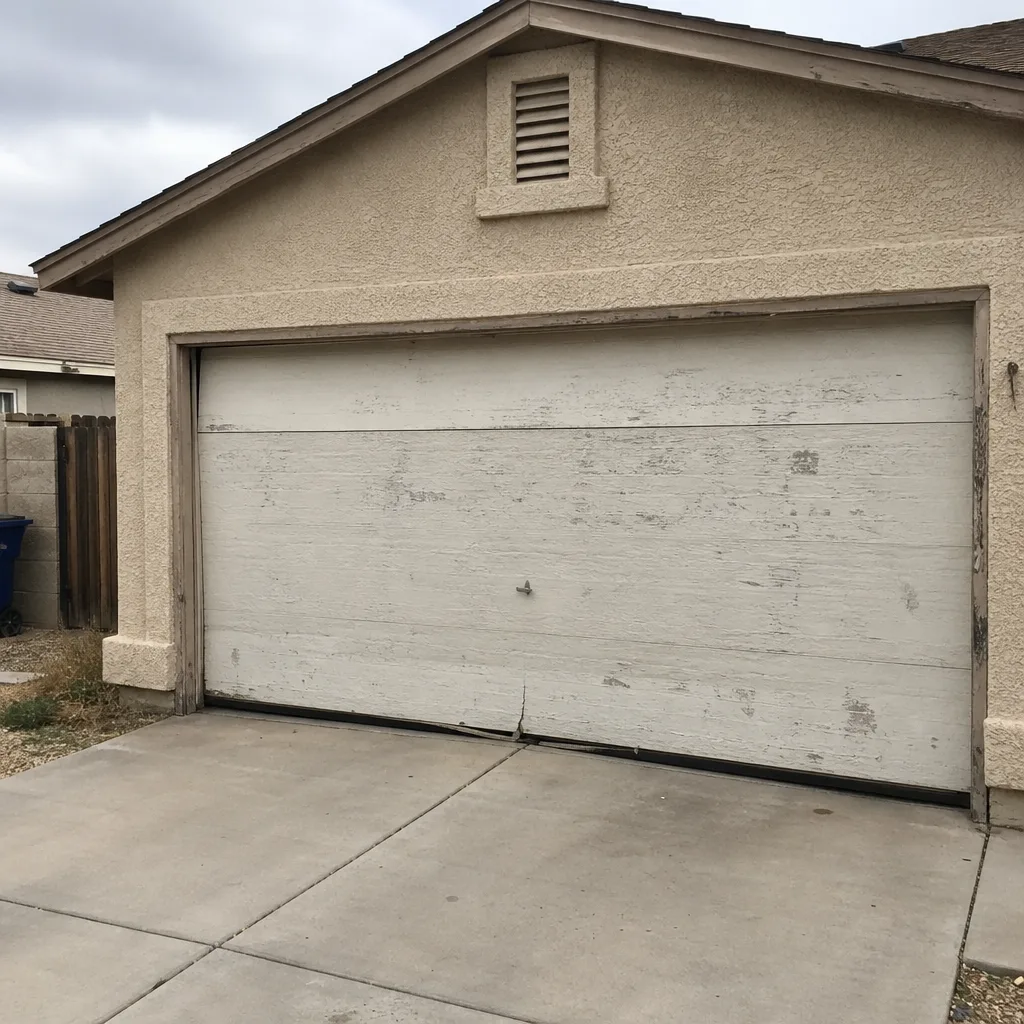
See the difference
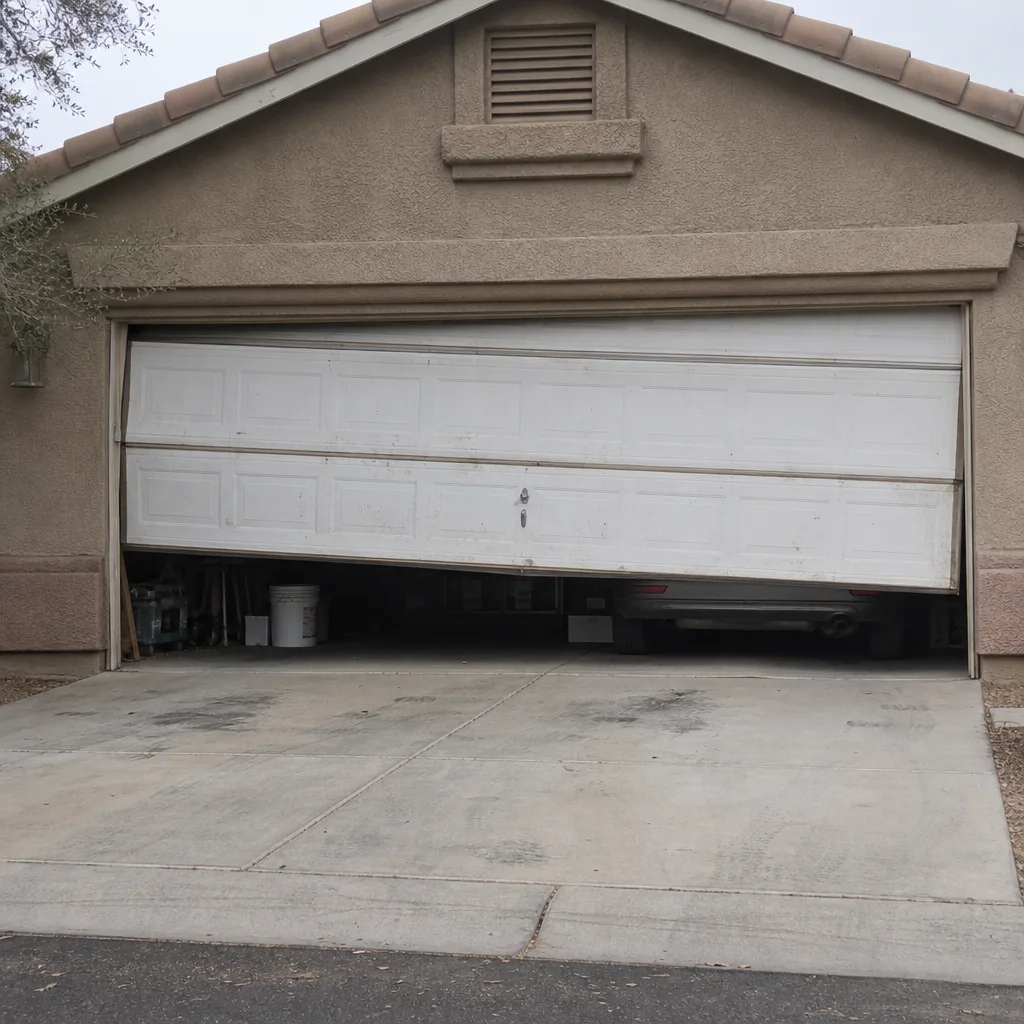 Before
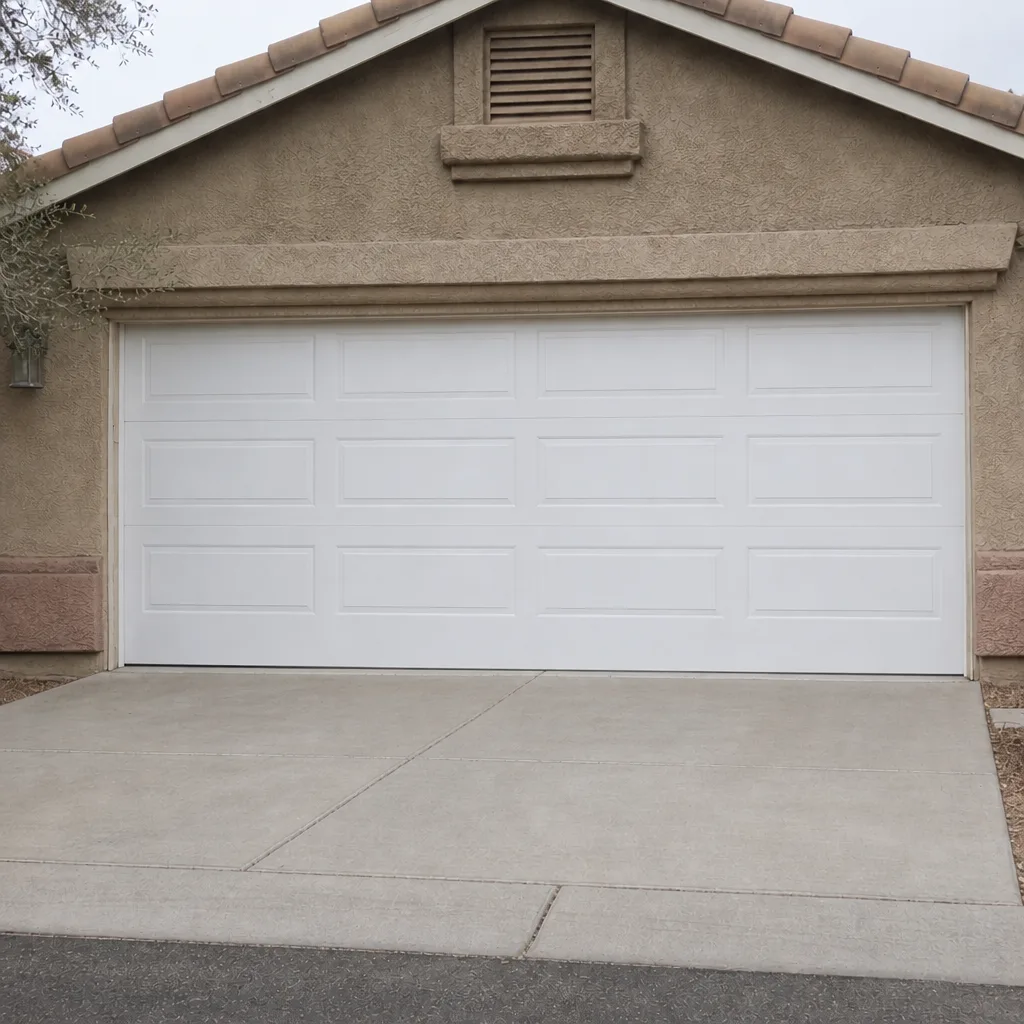 After
 Before
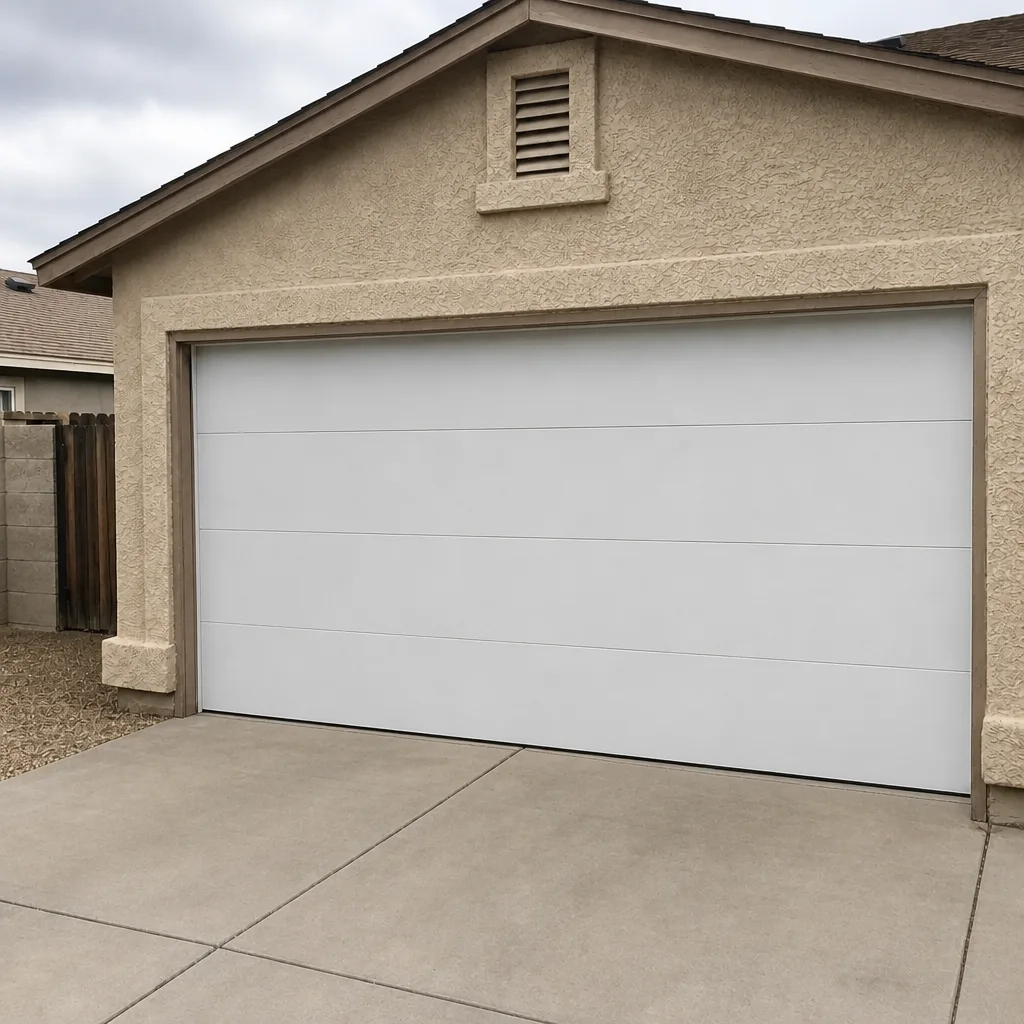 After
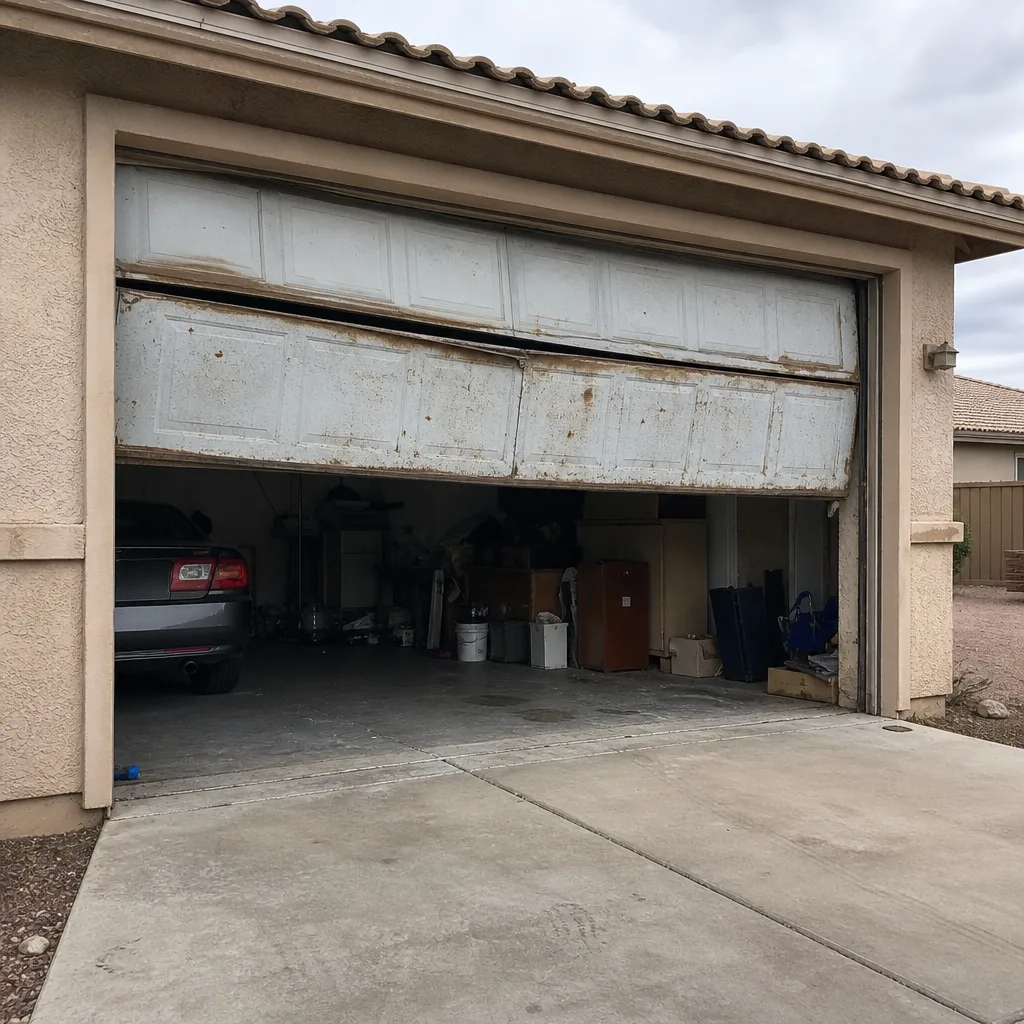 Before
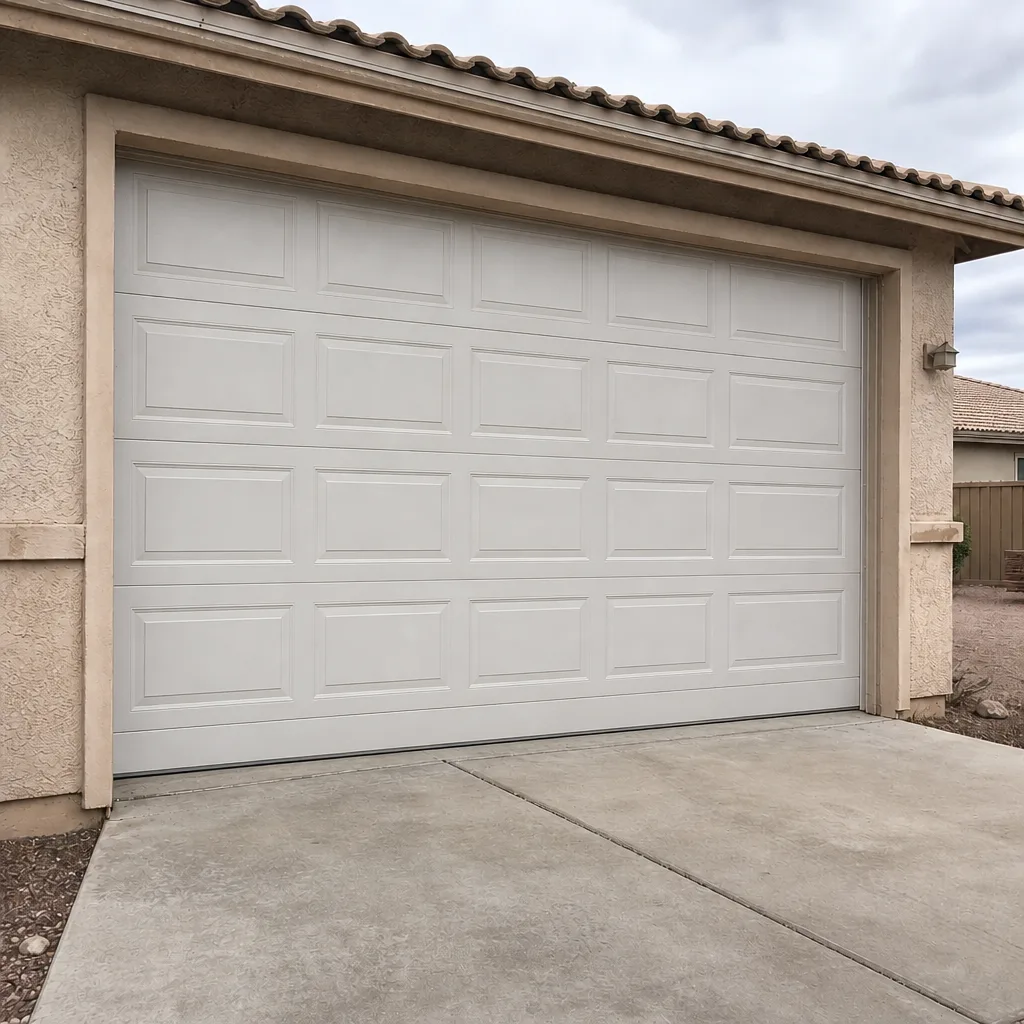 After
When to Call a Professional
Some garage door issues are cosmetic or minor. Others need a trained eye before they get worse. Call a professional when the door won’t close or seal properly (a security and heat problem for any attached garage in Buckeye), when a spring snaps or a cable goes slack (a real injury risk), when the opener runs but the door doesn’t move (a stripped gear that gets worse the more you try it), when the door comes off its track or hangs crooked, or when you’re ready to plan a replacement and want a measured, written price. Brightline Garage Door Repair offers free estimates in Buckeye – call (833) 519-6766. We answer 24/7, and our technicians have up to 15 years of experience with the brands already on your home.
Frequently Asked Questions
About once or twice a year is a good rhythm in this climate. Desert dust wears rollers and hinges faster than in milder places, so cleaning the tracks and lubricating the moving parts more often keeps a door running smoothly. Check the weatherstripping at the same time and replace it when it cracks. Call (833) 519-6766 for a free estimate if you’re not sure what your door needs.
Builder-grade doors are chosen for cost and installation speed, not long-term durability in extreme heat. The daily cycle of hot days and cooler nights here expands and contracts light-gauge metal, loosens fasteners, and wears out standard-duty rollers and hinges sooner than in a milder climate. The panels often survive; it’s the hardware that gives out first.
For an attached garage here, a mid-range insulated door is usually the right choice. You want enough insulation to keep the summer heat out of the garage and away from the rooms next to it, but you don’t need the extreme cold-climate ratings that national buying guides push. Ask what the door is tested for, not just its headline number.
Yes, mostly through wear rather than direct impact. Fine dust works into roller bearings, hinges, and tracks, where it acts like grit and speeds up wear. It also dries and cracks weatherstripping. Regular cleaning and the right lubricant are the best defense. If your door has started grinding or rattling, call (833) 519-6766 for a free estimate.
No. Torsion springs and the cables they control are under extreme tension and can cause severe injury if handled without the right tools and training. Leave the door closed and call a trained professional. This is the one garage door repair that’s genuinely dangerous to attempt.
Look at the panels first. If they’re straight and the finish is intact, the failed parts are wear items that can be repaired. If multiple panels are warped, dented, or rusted, or the entire hardware set has aged out at once, replacement often makes more sense. A free estimate in Buckeye will tell you which side of that line you’re on.
The Bottom Line
A garage door in Buckeye faces a harder test than most: brutal summer heat, a big daily temperature swing, dust that wears down moving parts, and a housing stock full of builder-grade doors on a shorter clock than their owners realize. The good news is that the fixes are predictable. Insulate an attached-garage door in the mid range, check the weatherstripping and lubricate the moving parts regularly, match your opener to the door’s weight, and repair the wear items before they cascade into bigger failures. When something does go wrong – a spring, a gear, a door that won’t seal – call a specialist who knows the hardware.
Whether it’s a Clopay panel, a LiftMaster opener, or a Craftsman unit you’ve had for years, our technicians know the brands already in your garage. Brightline Garage Door Repair handles repair, opener service, and full installation – one focused trade, done right. Call (833) 519-6766 for a free estimate. We answer 24/7. Fast dispatch from 7am to 7pm, Sunday through Friday.
Written by the team at Brightline Garage Door Repair.