
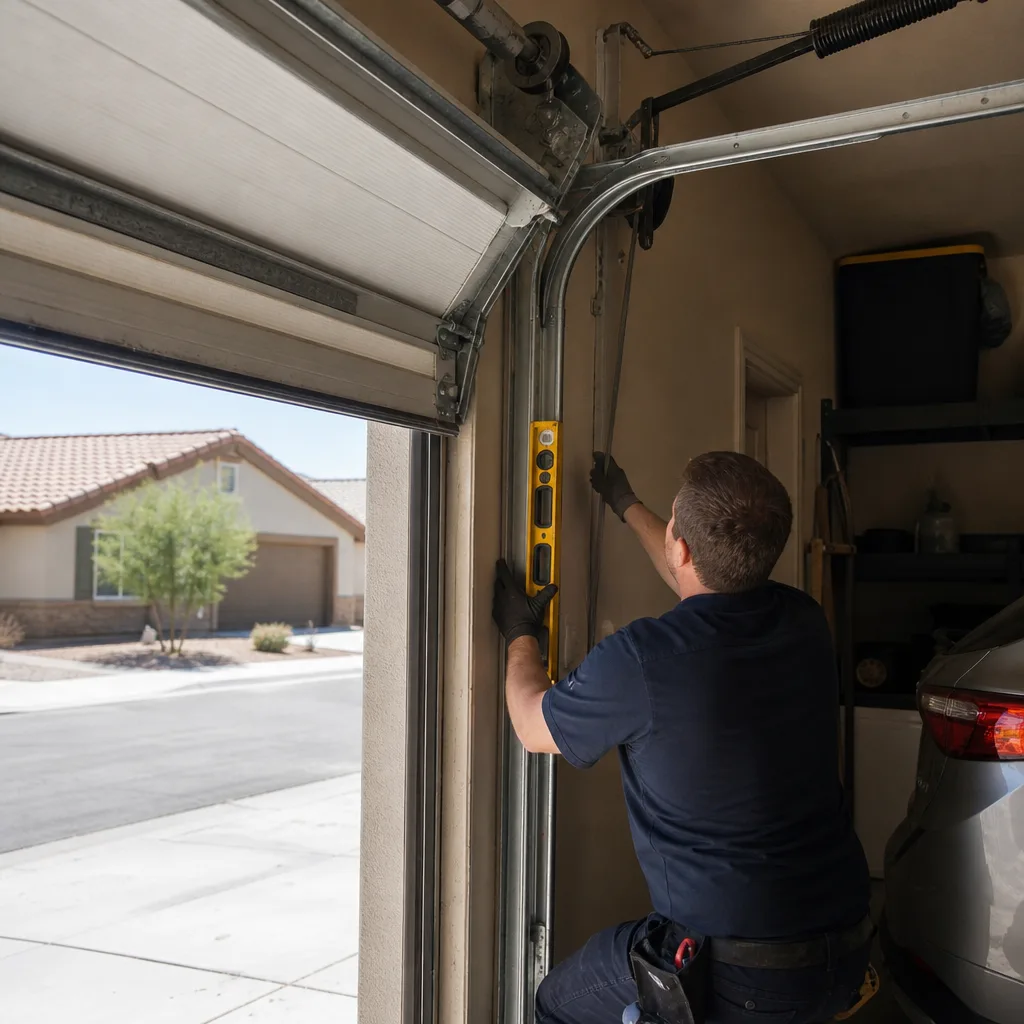
Last updated November 14, 2026
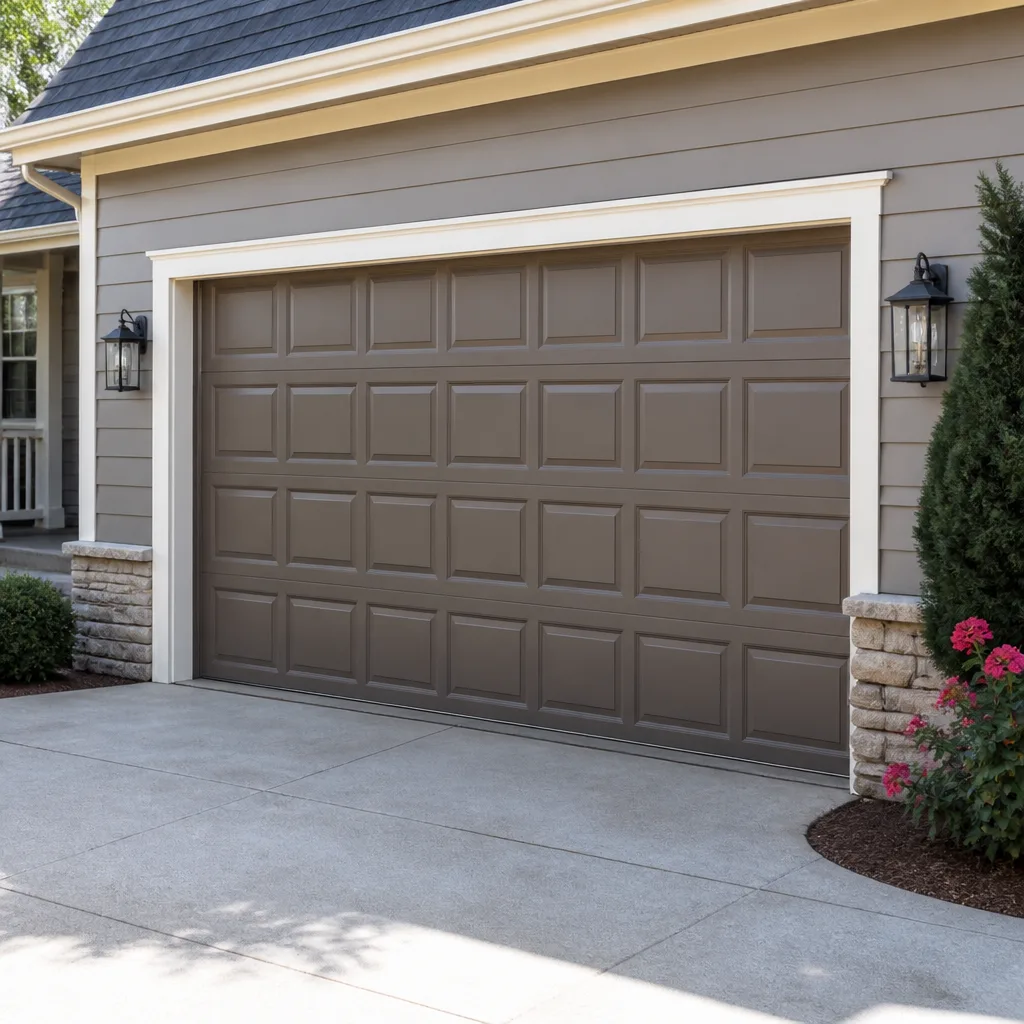 Raised-panel steel
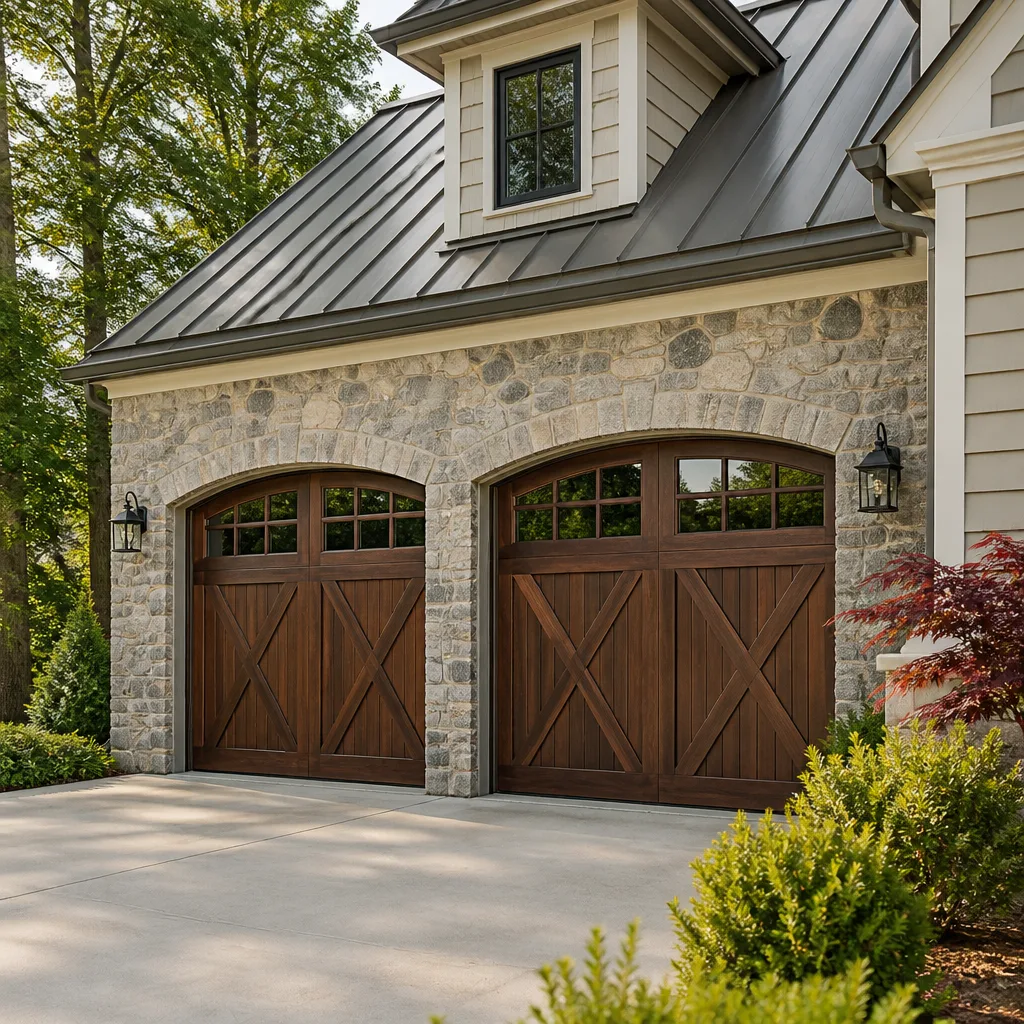 Carriage house
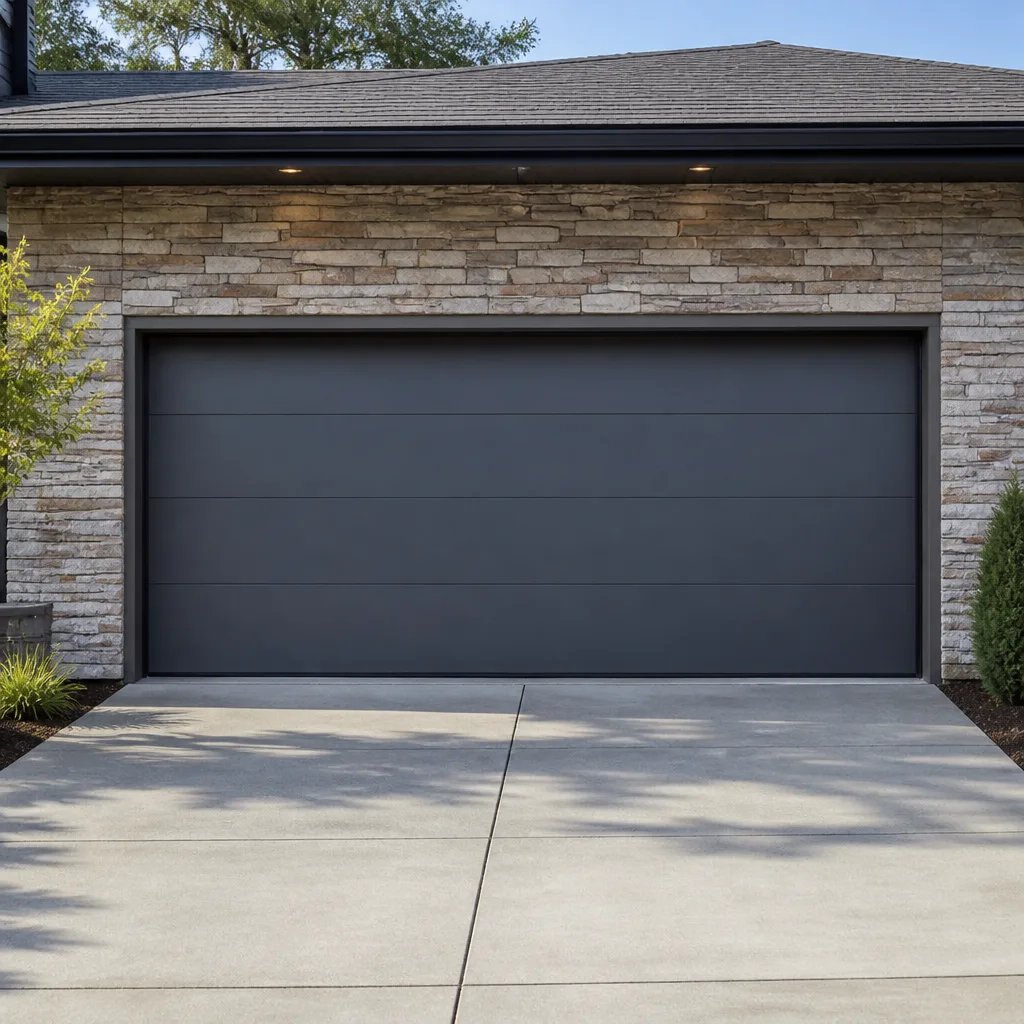 Modern flush
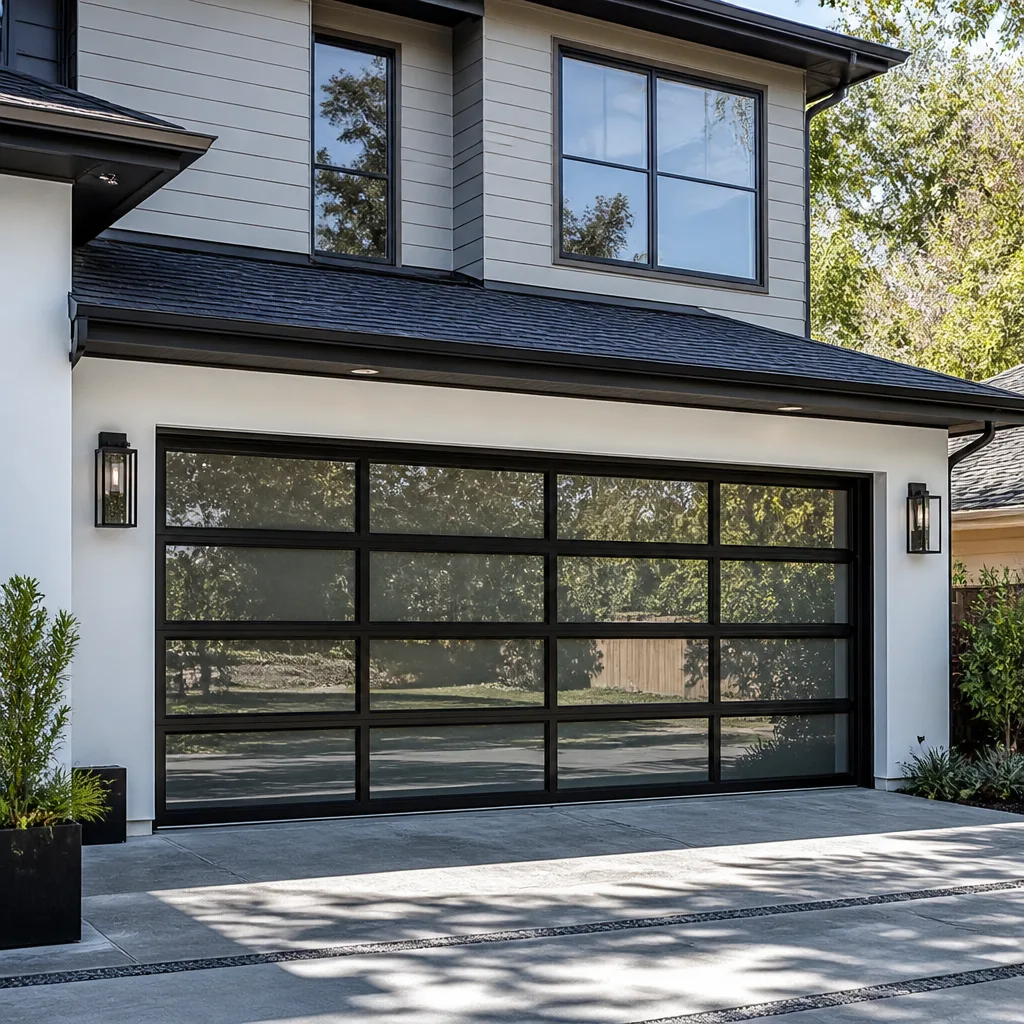 Full-view glass
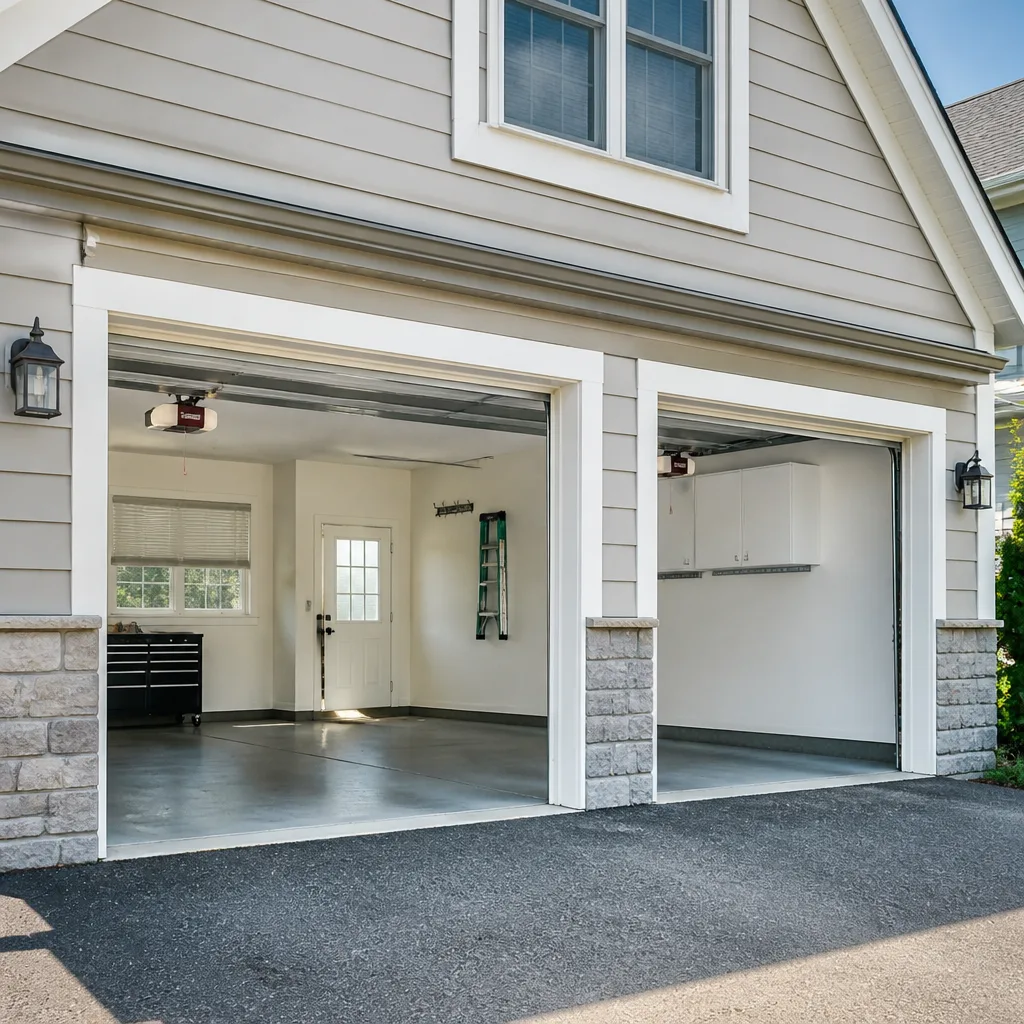 LiftMaster openers
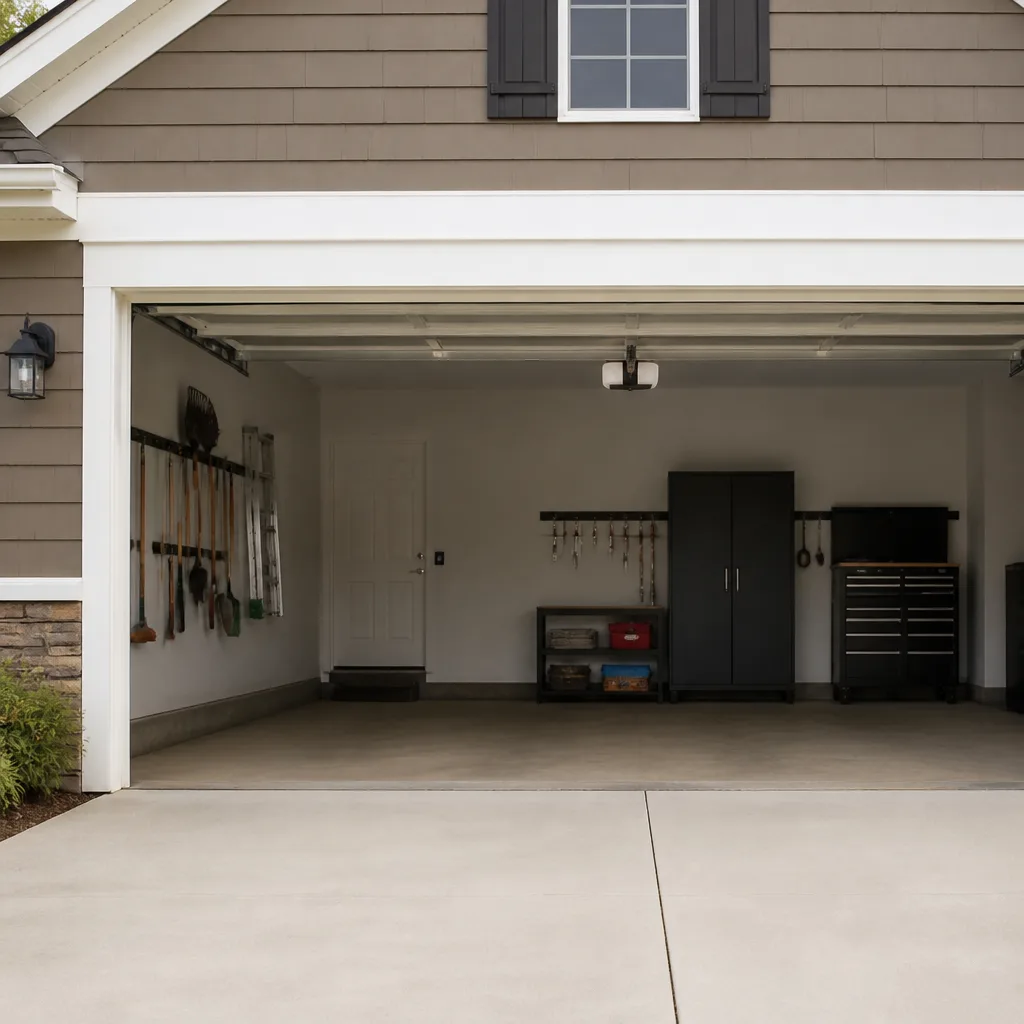 Chamberlain openers
Full 25-point door and opener safety check with every visit - springs, cables, rollers, tracks, and your LiftMaster or Chamberlain opener included
You get a price before we start. It does not change when the pro arrives.
Get your free estimateChoosing the Right Garage Door Brand: A Buyer’s Guide for Buckeye
The brand on the nameplate matters less than whether the dealer who sold it stocks replacement parts nearby. That’s the part nobody puts on a showroom floor, and it’s the part that decides how long your door stays working. A premium door with a six-week parts lead time is a real liability in a city where people rely on their attached garages every single day. In a place like Buckeye, where summer heat punishes every material on the house, the details that separate one brand from another aren’t the ones the brochures advertise. This guide walks through what actually differentiates garage door brands, how to compare them on measurable specs, and how to tell whether a contractor’s recommendation is genuine or driven by margin.
Quick Answer
The best garage door brand for a Buckeye home is the one whose steel gauge, insulation core, finish warranty, and hardware quality fit your exposure and budget, and whose replacement parts a local dealer can actually get. No single brand wins across every category. Compare steel gauge and insulation first, check finish warranties against UV fading, then verify that your installer or a nearby supplier stocks the parts your door uses. Brand reputation should be the last filter, not the first.
Styles & brands we work with
- Raised-panel steel
- Carriage house
- Modern flush
- Full-view glass
- LiftMaster openers
- Chamberlain openers
Table of Contents
- Why brand loyalty in garage doors is mostly a marketing outcome
- What to actually compare across garage door brands
- Why local parts availability belongs in your top three criteria
- The manufacturer-dealer relationship and how brand exclusivity locks you in
- Which door specs matter in desert heat
- How to evaluate a brand recommendation from a contractor
- Opener brands: a separate decision from the door
- Common mistakes to avoid
- When to call a professional
- Frequently asked questions
Why does brand loyalty in garage doors rarely match actual performance?
Brand loyalty in garage doors is mostly a marketing outcome. A homeowner buys a door, the door works, the homeowner credits the brand and buys it again. That loop tells you the door didn’t fail, not that it outperformed its competitors. Garage doors are assembled from the same small set of materials: steel or aluminum skins, a polyurethane or polystyrene core, and a set of hinges, rollers, springs and cables. Two brands can share the same gauge steel, the same core, and the same hardware vendor and still be sold with wildly different marketing. What actually separates one door from another for a Buckeye homeowner is measurable: steel gauge, insulation type and thickness, finish system, and hardware metal quality. Those track only loosely to brand reputation.
We’ve seen this play out across the eight brands we service: LiftMaster, Chamberlain, Genie, Clopay, Amarr, Wayne Dalton, Craftsman and Raynor. A door from one of those names can outlast or underperform a door from another simply because of the grade specified at the time of purchase. Buckeye homes built in different decades carry different grades of the same brand. The brand on the door is a starting point for parts lookup, not a verdict on quality. Treat brand as an identifier, and let the specs decide the sale.
What should you actually compare across garage door brands?
Compare four things in this order: steel gauge, insulation core material, finish warranty, and hardware metal quality. Ask for each in writing on the quote, and hold the brands you’re considering to the same list. If a dealer can’t supply the direct comparison, that’s information in itself. Here’s how each one actually plays out.
1. Steel gauge and consistency
Steel gauge is the thickness of the door skin. A lower gauge number means thicker steel. Doors sold for residential use typically land somewhere in the range around 24 to 27 gauge, with higher grades using two layers of steel over a core. Uniformity across panels matters as much as the number itself. A door built with inconsistent gauge or thinner panels near the edges will dent and flex where hands push it every day. Ask the dealer to confirm the gauge on the specific door model, not the brand’s family of doors.
2. Insulation core material
Two cores dominate: polyurethane and polystyrene. Polyurethane holds a higher insulation value in the same thickness and costs more. Polystyrene is lighter and cheaper but blocks less heat. For an attached garage in Buckeye, where the garage wall is shared with the house, the core is the difference between a garage that bakes all summer and one that stays closer to house temperature. Don’t compare brand names on this point. Compare the core material, the thickness, and whether the door is a sandwich or a pan design.
3. Finish warranty against UV fading
The finish is what you see. It’s also what fails first. Ask what the finish warranty covers and how long it runs. Read whether it covers fading and color shift specifically, or only peeling. A warranty that excludes fading means the manufacturer expects the color to change in strong sun. In Buckeye the sun angle and summer heat push finishes hard, so the fine print on the finish warranty tells you more about real durability than the sales flyer.
4. Hardware metal quality
Hinges, rollers, and end stiles take every cycle the door runs. Doors in the same family may ship with different hardware grades depending on the model and dealer. Nylon rollers outlast plastic. Steel hinges outlast thinner stamped metal. A door with good panels and light hardware wears fast. Ask what hardware comes standard and what upgrades are available before you sign.
Why should local parts availability be a top-three criterion in Buckeye?
Because a door that can’t get parts sits broken. A premium panel brand with a long replacement lead time is a liability when the door is the main way in and out of the house. Buckeye sits at the outer edge of the Phoenix metro, and parts routing follows the same logic as any other trade here: what’s stocked close to you gets to you faster. Several neighborhoods, from the older blocks near downtown Buckeye out to the newer subdivisions west and south, rely on their attached garages as the primary household entry. When a spring, hinge, or opener gear fails, the question isn’t whether the brand is reputable. The question is whether the part is on a shelf within reach.
Verify it before you buy. Here’s a short check that saves a lot of grief later:
- Ask the dealer to name the parts supplier they use for hinge and roller replacements on the specific door model you’re considering.
- Ask whether that supplier is local or ships from a regional warehouse, and roughly how long a typical non-stock part takes.
- Ask what components are covered by the manufacturer’s warranty versus a stock item carried locally.
- Confirm that a local repair company independent of the dealer can source the same parts, so you’re not locked into one route.
- Write the answers down. If a dealer can’t answer clearly, that door carries risk for the life of the door.
Brightline Garage Door Repair services all eight major brands across Buckeye, so garage door repair diagnostics and parts lookup on the brand already in your garage aren’t tied to which brand we’re pushing. That’s the practical value of brand-neutral service: you’re never stuck.
How does brand exclusivity lock you into one service provider?
When a dealer sells only one brand, that dealer becomes the gatekeeper for parts on that door for as long as you own it. The dealer may be excellent, and that’s fine. The risk shows up when they’re not, or when they close, move, or change their service offering. Brand-exclusive dealers also tend to price service in line with their inventory: if they stock only that brand’s parts, every repair routes through the same markup. Kit doors sold house-brand at big-box stores can carry similar limits, because the parts are often built to the store’s spec rather than a standard catalog model. Before you commit, ask two questions.
- Can an independent local repair company get parts for this door? If the answer is no, you’ve bought into a closed loop.
- What happens to parts availability if this dealer stops selling the brand? It’s a fair question, and a dealer who’s honest will already have an answer.
Brand-neutral doors stay serviceable for their whole life. Doors that use off-catalog or store-exclusive components are the ones that can’t be repaired cleanly. That’s the core reason a brand-independent specialist should carry the diagnosis, and why Brightline can cover both the door hardware and the opener drive on a single visit no matter which brand is on the house.
Which door specs matter in desert heat?
Three specs get tested hardest in Buckeye: thermal break construction, finish longevity under UV, and weatherstripping heat resistance. Heat cycles every component from the hinge out, and the garage takes the worst of it. Ignore anything on the spec sheet that doesn’t speak to those three points. Here’s how each one plays out.
Thermal break construction
A thermal break is a barrier between the outside skin and the inside skin of the door, so heat doesn’t conduct straight through the steel into the garage. Sandwich doors often have it. Pan doors usually don’t. In a Buckeye summer, a door without a thermal break radiates the day’s heat into the garage for hours after the sun goes down. If the garage shares a wall with the house, that absorbed heat becomes a load on your cooling system. Ask whether the door you’re considering includes a thermal break, and whether it’s built into the full panel or only the rails.
Finish longevity under UV
Direct sun plus 100-degree-plus summer afternoons is a hard test for any painted or powder-coated finish. The finish can lighten, chalk, or peel depending on the manufacturer’s system and prep. The spec that predicts this is the finish warranty. Read whether it covers fading, and how long it lasts. On darker colors, the difference between a good paint system and a cheap one shows within a few seasons.
Weatherstripping heat resistance
Weatherstripping is the rubber or vinyl seal around the door opening and along the bottom threshold. Cheap material hardens and cracks in the desert heat, which lets dust and pests in and makes the door rattle. Ask what material the door’s factory weatherstripping is made from and whether the dealer carries a heat-rated replacement. This is one place where the door brand matters less than the seal grade you actually install.
How can you tell whether a brand recommendation is genuine?
Ask the contractor to justify the recommendation against your door’s specific needs, and watch whether they can name what they’d recommend if you pushed back. A genuine recommendation connects the brand to your exposure, opener, budget, and the parts they can actually source. A margin-driven pitch doesn’t survive the pushback test. Here’s a simple approach for sorting one from the other:
- Ask what made them rule out the other major brands. If the whole answer is product quality with no specifics, ask for specifics.
- Ask about the parts situation for their recommendation compared to the alternatives. A genuine recommendation names where the parts come from and how fast they’re available.
- Ask whether they service every brand they recommend. If they only install one and won’t repair the others, the recommendation is commercial, not technical.
- Ask about the tradeoffs. Every door spec involves a tradeoff between cost and performance. A contractor who names them is giving you a real conversation.
- Ask about the finish warranty length on each option. A specific number tied to a specific door is a sign the recommendation is built on specs, not sentiment.
We take a straightforward position here at Brightline: we work on the brand already in your garage, not the one we’re trying to sell you. A brand-neutral recommendation is grounded in what your door actually needs, and that’s the only kind of recommendation we’ll make.
Should you decide the opener brand at the same time as the door brand?
No. Treat the opener as a separate decision with its own set of priorities. The door is a material and hardware choice. The opener is a motor, a drive type, and a control board. The two pair together but don’t share a brand loyalty. LiftMaster, Chamberlain, Genie and Craftsman dominate the residential opener market, and most major door brands work with most major openers. The compatibility question is usually about horsepower rating versus door weight, not brand-to-brand matching. A heavier insulated door requires a higher-rated opener, and that rating matters more than any brand pairing.
When the door fails, the failure is often in the opener, not the door. A stripped drive gear or a dead control board looks like a door problem from the driver’s seat. Brand-neutral garage door opener repair diagnoses the two together so an opener failure isn’t mistaken for a door failure, and vice versa. Pick the door by its specs. Pick the opener by its rating and its controls. Then have both installed and serviced by a specialist who knows both.
Common mistakes to avoid
- Choosing a brand before checking local parts availability. A premium door with slow parts is a liability. Check the parts route first, then the brand.
- Comparing brand names instead of gauge, core, and finish warranty. Two brands with the same gauge and core perform the same in Buckeye heat. The specs are the real comparison.
- Ignoring the finish warranty’s fading exclusion. Most warranties cover peeling but not fading. In this sun, fading is the failure that shows first.
- Letting a brand-exclusive dealer lock you out of independent service. Before you sign, confirm an independent local repair company can source parts for the door.
- Buying an opener rated for the door’s weight on paper, not on the spec sheet. An insulated door can weigh more than the base model spec predicts. Match the rating to the actual door.
- Skipping the weatherstripping grade. It’s the cheapest part of the job and the first to fail in desert heat. Ask what material it is before you buy.
- Assuming brand reputation means installer quality. The fit, track alignment and spring tensioning matter as much as the door. A good door installed badly underperforms a mid-grade door installed well.
When to call a professional
Call when the door stops moving cleanly, when the opener runs but the door doesn’t, or when you hear a bang from the torsion assembly and the door sags. Spring, cable, and torsion work is dangerous, and high-tension components under load should never be touched without training. Door panel alignment, track replacement, and opener control board diagnostics are also jobs where the wrong adjustment creates a bigger cost later. If the door is new to you and you don’t know its service history, a professional inspection tells you what the door is working with before a failure strands you. We answer 24/7, with fast dispatch from 7am to 7pm, Sunday through Friday. Our technicians have up to 15 years of experience. Brightline Garage Door Repair offers free estimates in Buckeye – call (833) 519-6766.
Frequently asked questions
There isn’t a single best brand. The right brand is the one whose steel gauge, insulation core, finish warranty, and hardware grades fit your budget and exposure, and whose parts a local supplier can actually get. Compare on specs first, then narrow to a brand that a local dealer and independent repair company can both service. Call (833) 519-6766 for an exact quote on installing or repairing any of the eight major brands – estimates are free.
Typical installed pricing for a standard residential door lands in a broad range depending on size, insulation, and hardware, and the written estimate is the number that matters. We price each job per estimate rather than quoting a one-size number across models, because a pan door and an insulated sandwich door aren’t the same job. Call (833) 519-6766 and we’ll schedule a measure and give you a written price before any work starts.
We service doors and openers from LiftMaster, Chamberlain, Genie, Clopay, Amarr, Wayne Dalton, Craftsman, and Raynor. If your door is one of those eight, we know the hardware. If it isn’t, we’ll tell you on the call before we come out. Call (833) 519-6766 to confirm your model – estimates are free.
No, and you shouldn’t. You’re tied to a brand-exclusive dealer only when the door uses off-catalog parts that independent companies can’t source. Confirm before purchase that an independent repair company can get parts for the door you’re considering. If you already own a brand-exclusive door and want an independent opinion, call (833) 519-6766 – free estimate.
Check steel gauge and insulation core first, then the finish warranty’s coverage of UV fading, then the hardware metal grade. If a dealer can’t give you those four items in writing on the quote, that’s a warning sign. Call (833) 519-6766 for a free written estimate and a side-by-side spec comparison on the brands in your budget.
Yes, but mainly through the specs, not the name. Thermal break construction, finish longevity under UV, and weatherstripping heat resistance are the three specs heat tests hardest in Buckeye, and they vary more within a brand family than between brands. Ask the dealer for all three on the specific door model. Call (833) 519-6766 and we’ll walk through your door’s exposure and give you a fitted recommendation – free estimate.
The Bottom Line
Brand reputation should be the last filter, not the first. Compare steel gauge, insulation core, finish warranty against UV fading, and hardware metal quality. Then verify that a local supplier can get parts for the door you’re buying, so a broken hinge or spring doesn’t leave you waiting for a shipment. A brand-neutral recommendation is the only kind worth trusting, and a home in Buckeye deserves a door that fits the heat and the parts network, not the sales brochure. If you’re choosing between brands, repairing the door you already own, or ready for a full replacement, call (833) 519-6766. We answer 24/7. Fast dispatch from 7am to 7pm, Sunday through Friday. Estimates are free, and the written quote is the price. Garage doors are all we do, which means we do them right.
Written by the team at Brightline Garage Door Repair.
See the difference
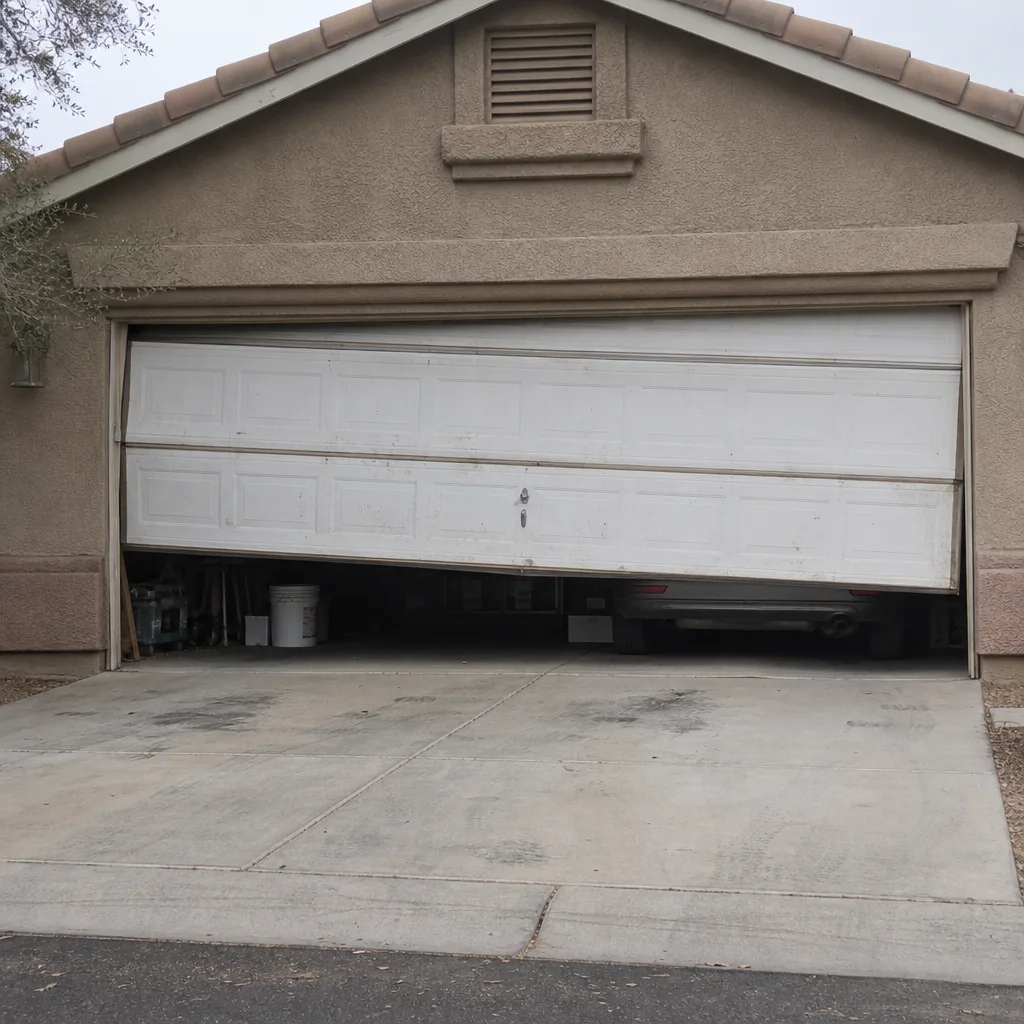 Before
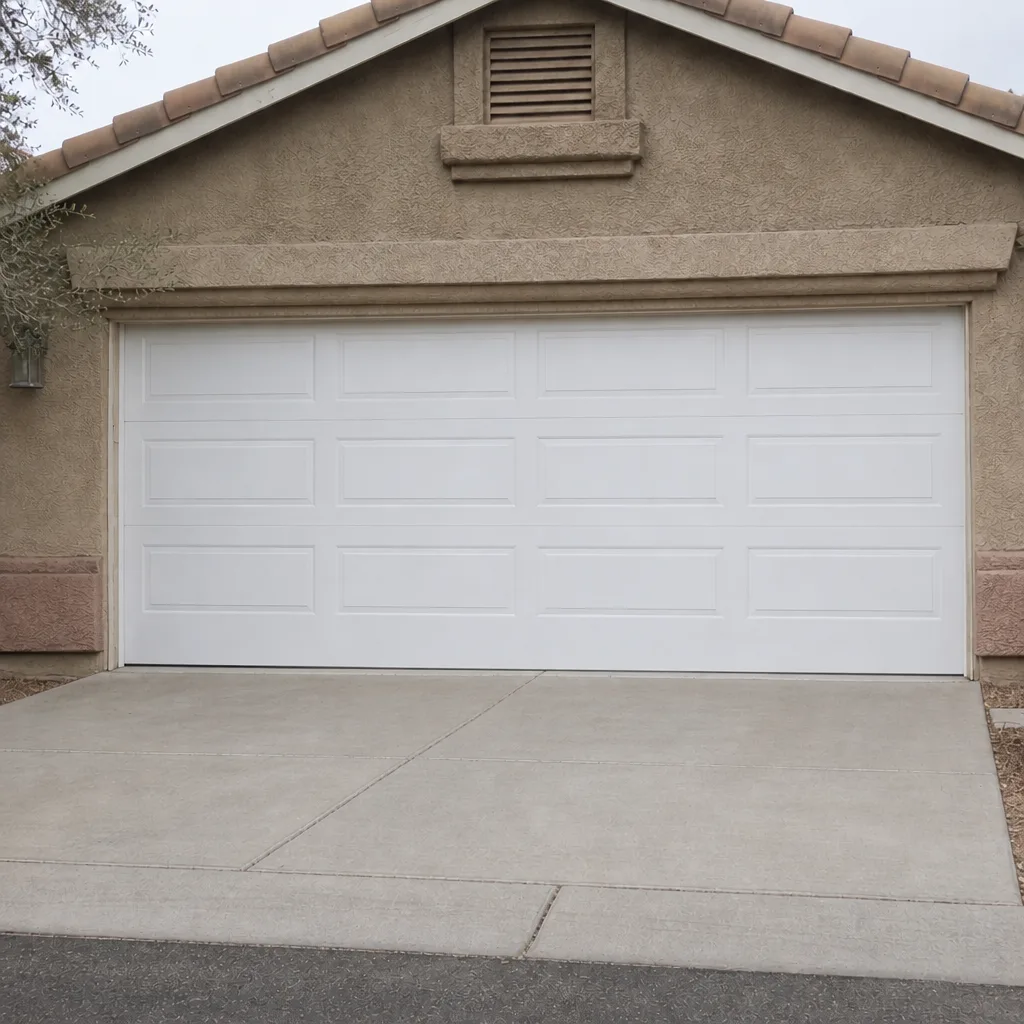 After
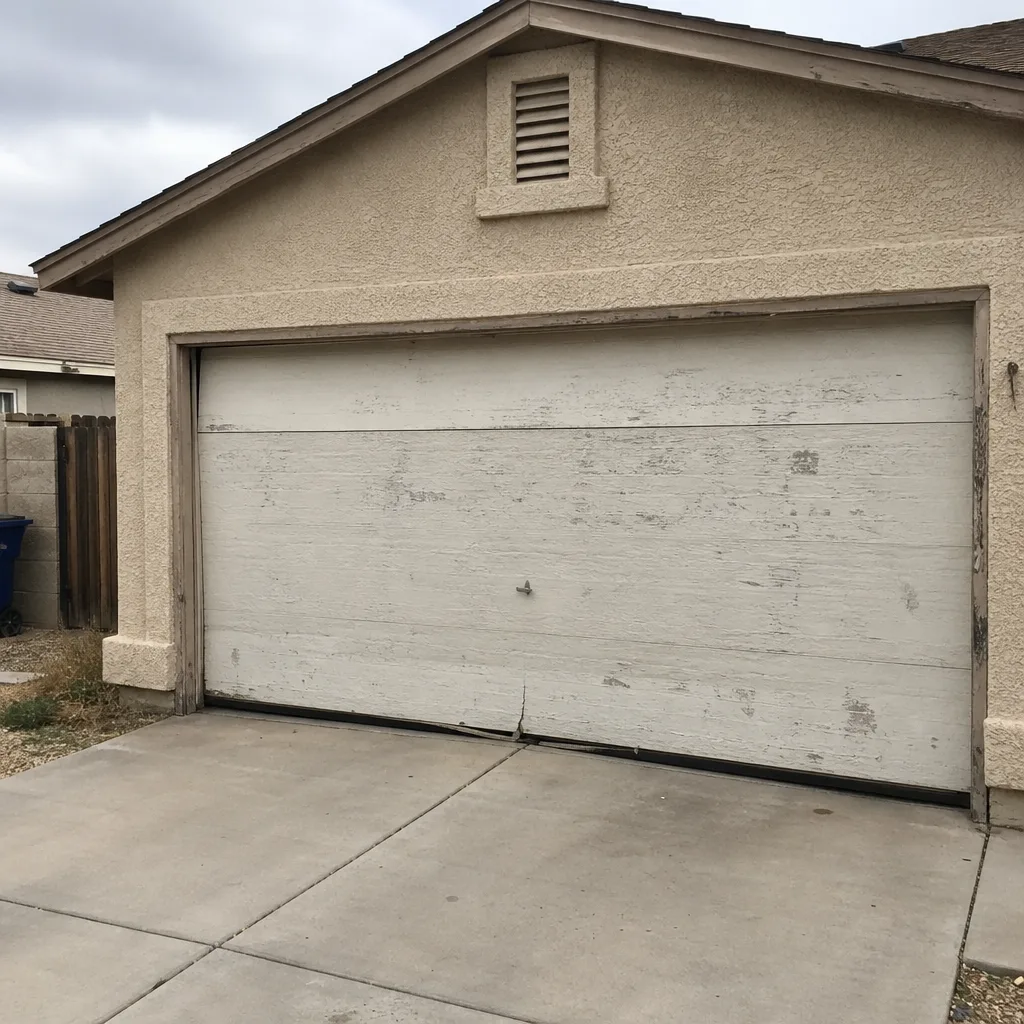 Before
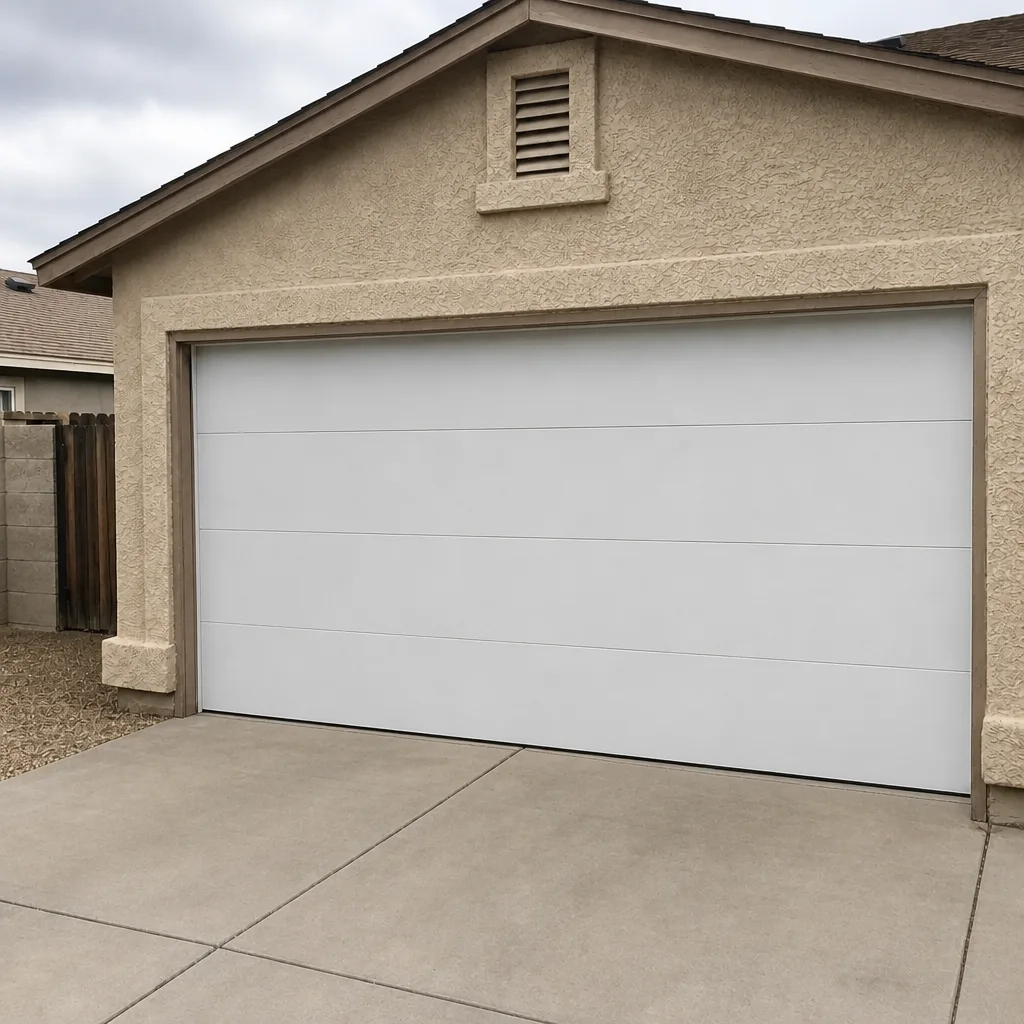 After
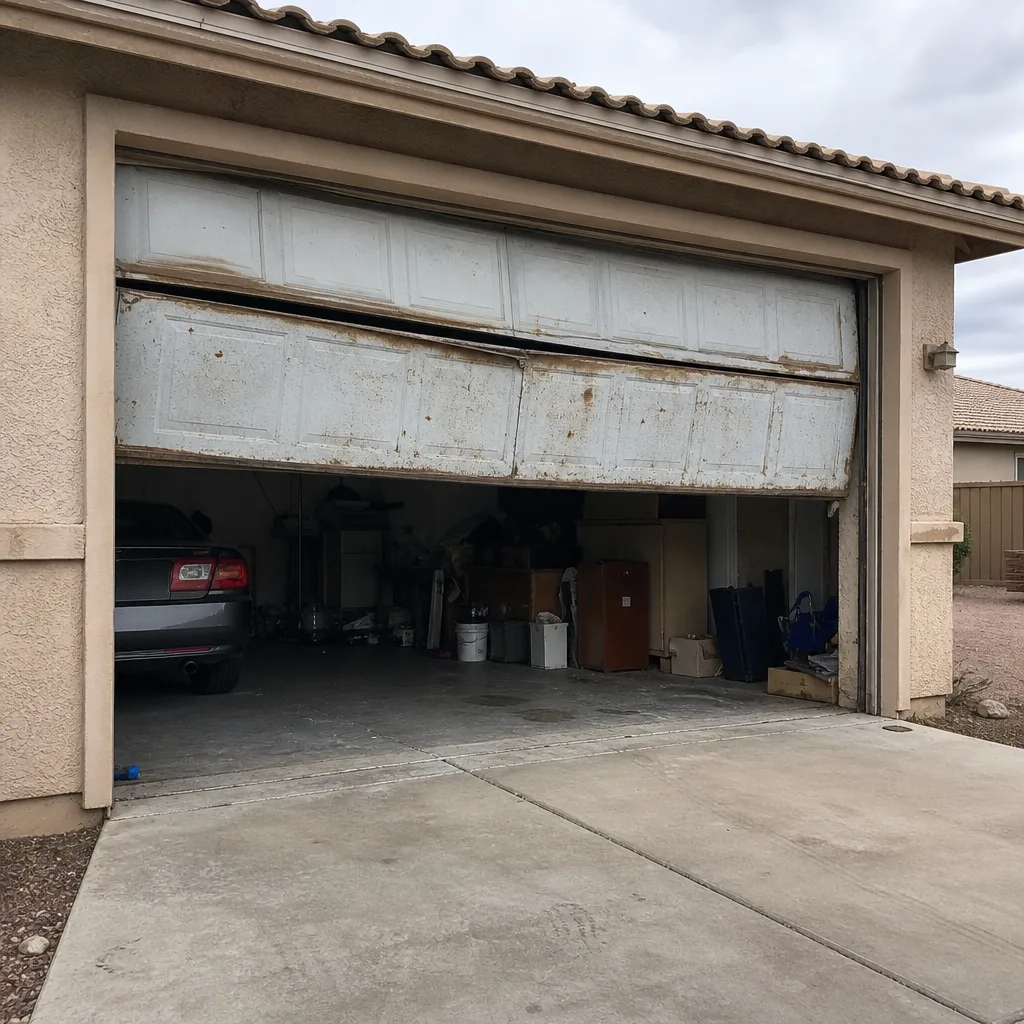 Before
 After