
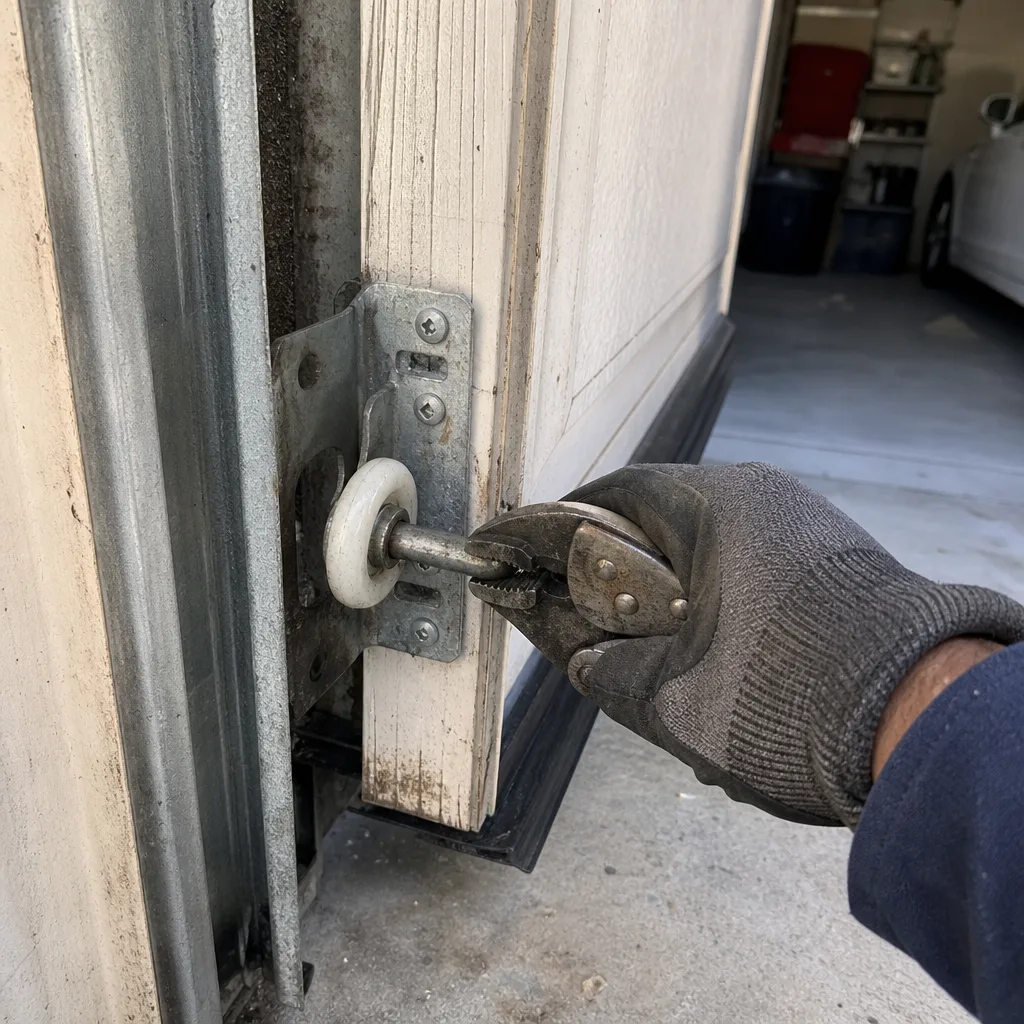
Last updated November 14, 2026
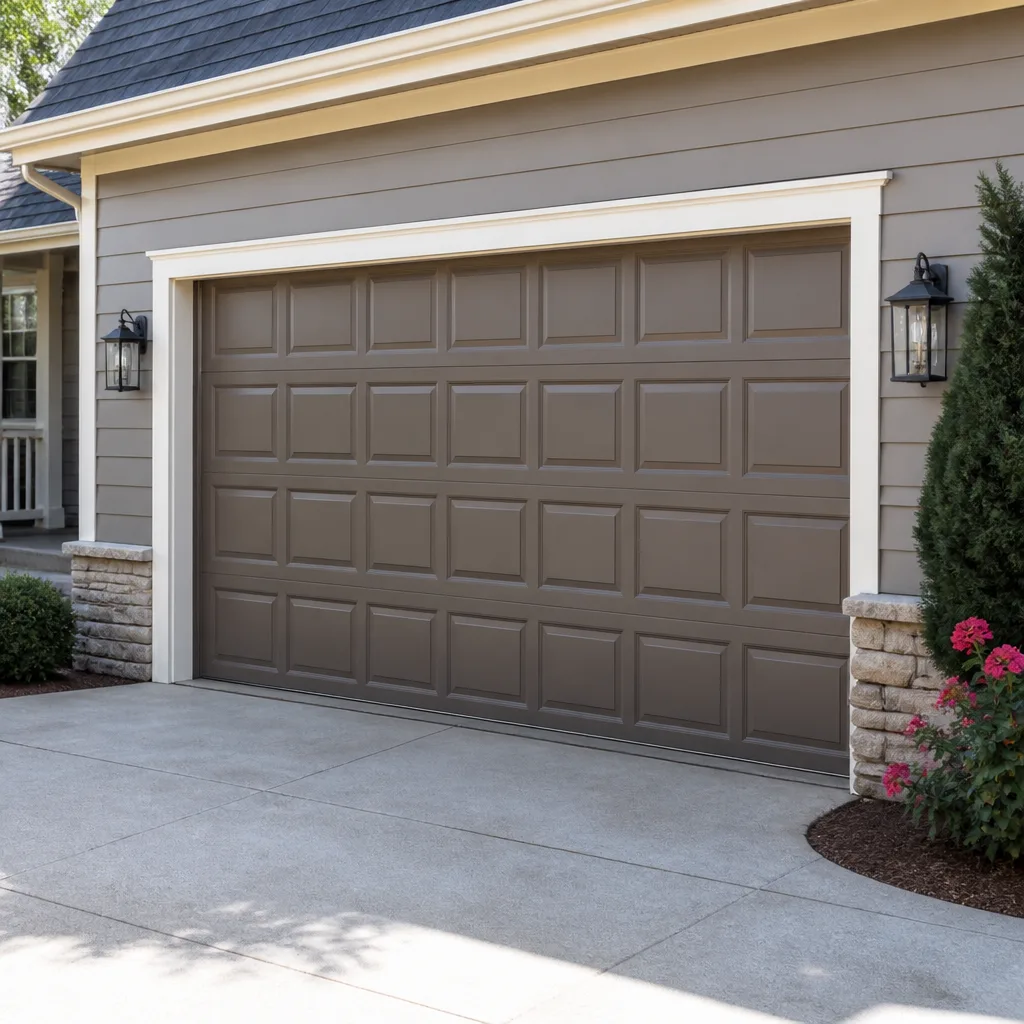 Raised-panel steel
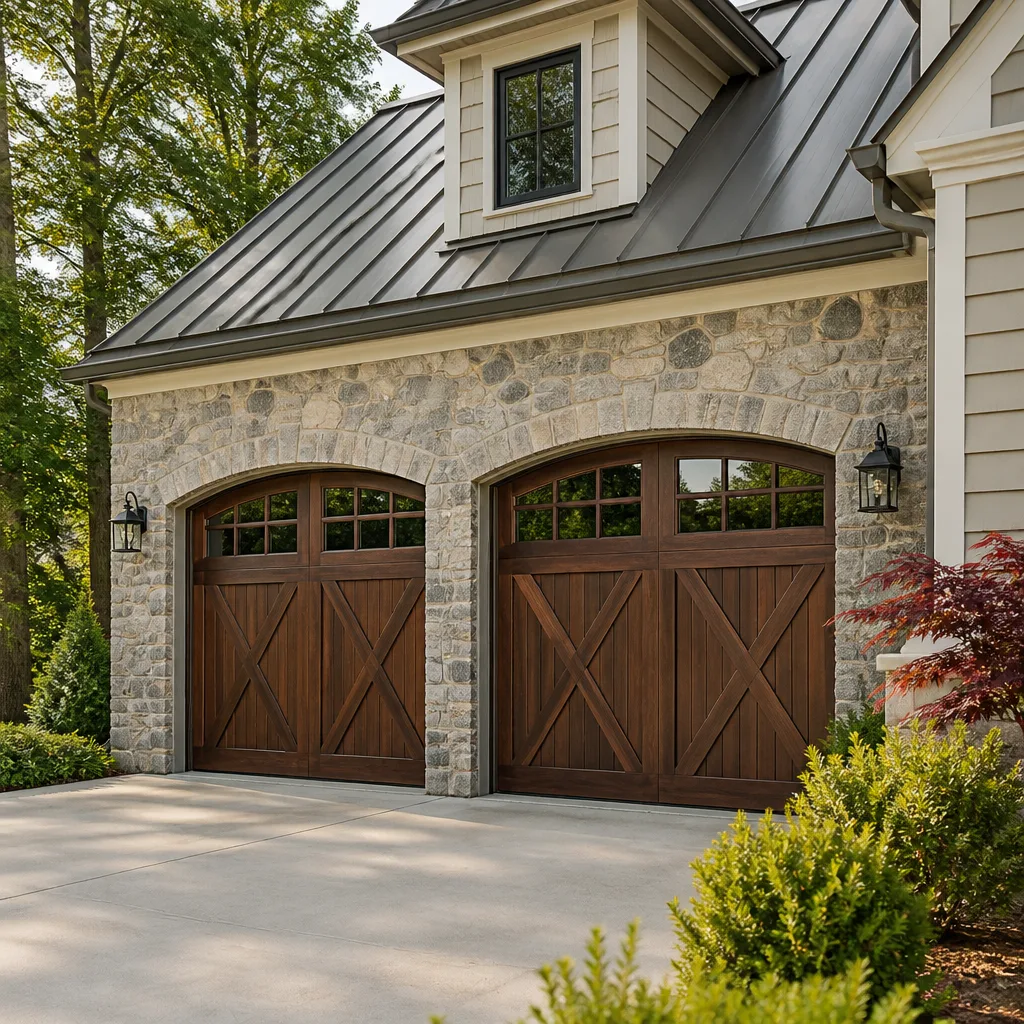 Carriage house
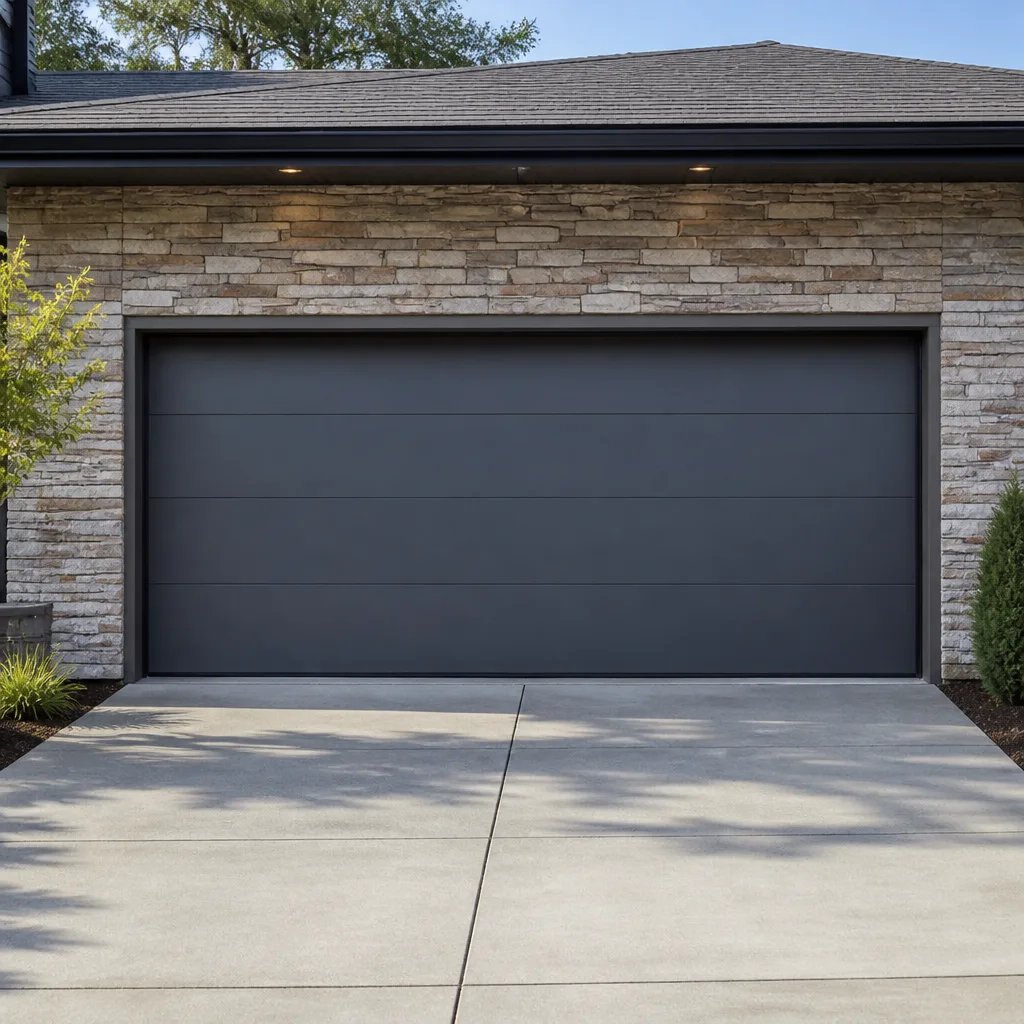 Modern flush
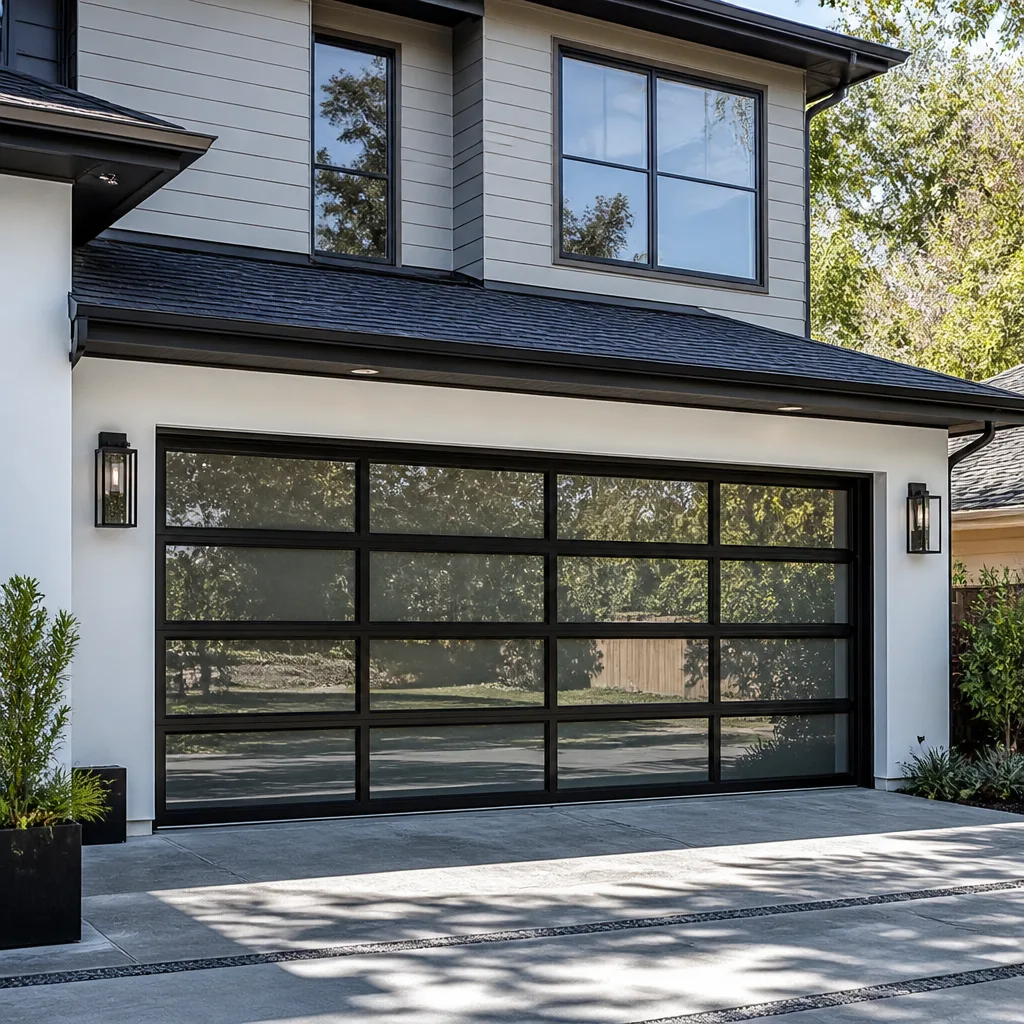 Full-view glass
 LiftMaster openers
 Chamberlain openers
Full 25-point door and opener safety check with every visit - springs, cables, rollers, tracks, and your LiftMaster or Chamberlain opener included
You get a price before we start. It does not change when the pro arrives.
Get your free estimateGarage Door Repair Troubleshooting in Buckeye: Common Problems and How to Fix Them
Here’s the thing most troubleshooting guides get wrong: they hand you a list of symptoms and a list of fixes, as if a garage door were a collection of independent parts that fail one at a time. It isn’t. It’s a system, and one failure cascades into another until the symptom you notice is two or three steps removed from the actual cause. The door that reverses for no reason might not have a sensor problem at all. The grinding noise might not be the opener. In our experience across Buckeye, the homeowners who solve a problem fastest are the ones who stop chasing the symptom and start asking which subsystem is really complaining. This guide teaches that component-level thinking. You’ll learn how to map any symptom to its root system, which resets are safe to try yourself, and exactly when to stop and call a trained technician.
Quick Answer
If your garage door won’t close, reverses, or sounds wrong, the cause is usually one of five systems: the springs, the tracks and rollers, the opener’s logic board, the safety sensors, or the balance of the door itself. Safe DIY steps are limited to resetting the opener, realigning sensors, and using the manual release. Anything involving torsion spring tension or cables needs a trained professional, including here in Buckeye, where extreme summer heat makes metal and hardware work differently than it does in cooler parts of the country.
Styles & brands we work with
- Raised-panel steel
- Carriage house
- Modern flush
- Full-view glass
- LiftMaster openers
- Chamberlain openers
Table of Contents
- Why Garage Door Troubleshooting Starts With the System
- Symptom-to-System Map: Diagnosing Root Cause
- The Buckeye Heat Factor: Why Your Door Binds or Reverses in Summer
- Safe DIY Resets vs. Hard Stops That Need a Professional
- The 60-Second Decision Tree
- Opener Brand Quirks: LiftMaster, Chamberlain, Genie, and the Generic Advice That Fails
- The Balance Test: The Check Most Homeowners Skip
- What Keeps a Buckeye Garage Door Working
Why Garage Door Troubleshooting Starts With the System
A residential garage door has a lot of moving parts, and they divide cleanly into four subsystems. Understand the four and you can diagnose almost anything.
The counterbalance system – the torsion or extension springs, the cables, and the drums. This is the part that makes a heavy door feel light. When it fails, the door becomes dangerously heavy, drifts down on its own, or slams.
The travel system – the tracks and rollers that guide the door up and down. When it fails, the door binds, grinds, squeals, or comes off its path.
The drive system – the opener motor, the logic board, the gears, the belt or chain or screw, and the rail. When it fails, the motor runs but nothing moves, or the door moves erratically, or the opener refuses to respond.
The safety system – the photo-eye sensors near the floor and the force setting inside the opener. When it fails, the door reverses or stops for no apparent reason.
Nearly every service call we handle in Buckeye traces to one of those four. The skill is in knowing which one is complaining. A door that won’t close could be a sensor, a force setting, a binding track, or a weak spring, and those four problems have four completely different fixes. This is why we work on the specific system that’s failing rather than guessing. It’s also why brand-neutral diagnostics matter so much. We work on the brand already in your garage, whether that’s LiftMaster or Chamberlain or Genie or Clopay, not the one we’re trying to sell you.
One more thing worth saying plainly. Garage doors are all we do, which means every job is a garage door job. That focus lets a technician read a symptom faster than a generalist who splits their time across a dozen trades.
Symptom-to-System Map: Diagnosing Root Cause
Use this map to move from what you’re seeing to what’s likely wrong. Then use the decision tree further down to decide whether it’s a fix you can do or a call you should make.
- Loud bang from above, door now feels very heavy. Likely a broken torsion spring. This is a counterbalance failure and a hard stop. Don’t run the opener. Call a professional.
- Door goes up a foot and stops, or reverses immediately. Often a sensor alignment issue or a force setting. Check the safety system first.
- Motor hums but nothing moves. Usually a stripped gear in the opener or a worn drive belt. Drive system failure.
- Grinding or squealing during travel. Failing rollers, dry or bent track. Travel system problem.
- Door closes then reopens at the floor. Sensor obstruction or misalignment, or an object in the door’s path at the bottom of travel.
- Door drifts down on its own from the open position. Spring tension or cable issue. Counterbalance problem.
- Opener beeps and flashes a code but won’t move. Logic board lockout or obstruction detection. Note the brand, because error codes vary widely.
- Cable hanging loose or wrapped oddly on the drum. Cable problem. Hard stop. Cables are under high tension and this is a genuine hazard.
Notice how many symptoms point to the same small cluster of systems. This is the whole point of component-level thinking. The door that reverses at the floor isn’t a “reversing door problem.” It’s a safety-system problem (or occasionally a travel-system problem if the door is binding against resistance). Once you name the system, the fix becomes a manageable set of possibilities instead of a mystery.
The Buckeye Heat Factor: Why Your Door Binds or Reverses in Summer
This is the section most national troubleshooting guides leave out entirely, and it’s the one that matters most here. Buckeye runs hot. Very hot for long stretches. Metal expands when it heats up, and a garage door is a long piece of metal bolted to a long track. On a day well into the triple digits, the door panel can expand enough to drag or bind against its tracks in a way it never does in cooler weather.
What that looks like to a homeowner:
- The door reverses partway down and there’s nothing in the way.
- The motor strains audibly or the door slows near the top or bottom of travel.
- A door that worked all winter suddenly trips the opener’s force limit.
- Rollers squeal because heat has cooked the lubricant off them.
- A spring that’s already near the end of its life gives up in the heat.
None of those are “the door being stubborn.” They’re thermal expansion working against clearances, plus lubricant that’s dried out. In our experience, a door that binds in summer often needs nothing more than a track clearance check, fresh lubrication on the rollers and hinges, and a force-limit adjustment on the opener. But it can also mean a spring is weakening or a track has moved. That’s the reason the fix is a diagnosis, not a guess. If your door only misbehaves in the hottest weeks and then settles, that’s a strong clue the problem is at the travel-system or force-setting level rather than a true mechanical failure. For more on how a full garage door repair assessment works in this heat, it helps to understand the season your door is in.
Safe DIY Resets vs. Hard Stops That Need a Professional
Half the troubleshooting advice on the internet is a safety problem waiting to happen. Some garage door fixes are safe for a homeowner. Some genuinely aren’t. Here’s the split.
Safe to try yourself:
- Resetting the opener: unplug it, wait, plug it back in, and use the wall control or remote to retrain it.
- Realigning the photo-eye sensors so they face each other squarely and the indicator lights on both are steady.
- Clearing the path at the bottom of the door and checking that the sensor’s line of sight isn’t blocked.
- Using the manual release cord to disconnect the opener from the door so you can lift it by hand (only if the door feels light enough to lift safely).
- Clearing the tracks of debris and wiping them down. Never lubricate a track; it should be dry.
- Lubricating hinges, rollers, and the torsion spring with a proper garage-door lubricant.
Hard stops that need a professional:
- Any torsion spring work. These springs are under enormous tension and adjusting them with anything other than the correct winding bars is genuinely dangerous. This is the number-one cause of garage door injuries and it isn’t close.
- Cable replacement or re-spooling on the drum. Cables are under heavy load and can whip free.
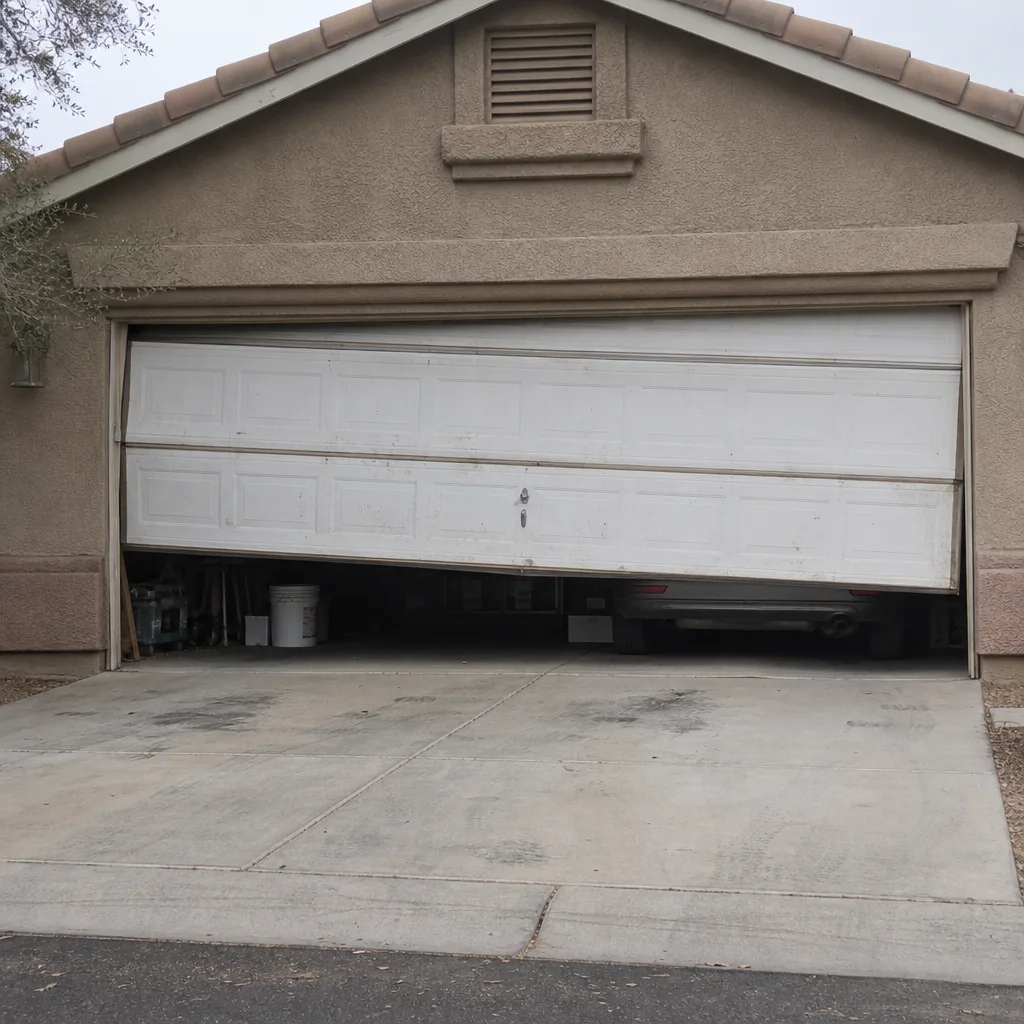
- A door that’s come off one or both tracks, or a visibly bent panel.
- Structural damage to the door or frame.
- Any repair where the door won’t lift smoothly by hand after the manual release.
Being clear about this isn’t us protecting our business. A trained technician with the right winding bars and a firm understanding of spring tension can do this safely. A homeowner guessing at a torsion spring can get seriously hurt, and it happens to people every year. If a repair touches the counterbalance system, that’s the line. If it doesn’t, and you’re comfortable, several checks are yours to make. Our experienced technicians have up to 15 years of experience and see this distinction play out on nearly every call.
The 60-Second Decision Tree
When the door misbehaves, run this sequence before you touch anything. It’ll sort a fix-it-yourself job from a call in under a minute.
- Is the door currently hung up with a loud bang, a hanging cable, or off its tracks? Yes means stop. Don’t operate the opener. Call a professional. No means continue.
- Does the opener respond at all? If not, check the power, whether the wall control is working, and whether the remote battery is dead. If power is fine and the opener is silent, it’s a drive system issue.
- Do the safety sensors have steady indicator lights? If they’re blinking or dark, realign them or clear the path. Many “door won’t close” calls are resolved right here.
- Does the motor run but the door not move? That’s usually a stripped gear or a drive belt. That’s a professional repair.
- Does the door bind, reverse, or strain only in heat? That’s the Buckeye heat factor. A clearance and lubrication check is safe; a spring inspection should be left to a pro.
- Does the door only misbehave when it’s fully closing? That’s a force-limit or sensor issue. Check the sensor first, then loosen the force setting only if you know what you’re doing.
- Did the manual release let you lift the door easily by hand? If not, the counterbalance system is compromised and a professional should look at it.
If you get through that list and you’re still unsure, that’s the honest answer to stop and get it looked at. A professional diagnosis costs you nothing but a conversation. Call (833) 519-6766. We answer 24/7. Fast dispatch from 7am to 7pm, Sunday through Friday.
Opener Brand Quirks: LiftMaster, Chamberlain, Genie, and the Generic Advice That Fails
Here’s where a lot of homeowners get stranded. They search their symptom, find generic advice, follow it, and the door still won’t work. The reason is that openers from different manufacturers behave very differently, especially at the logic board.
A LiftMaster or Chamberlain opener with a flashing LED code is telling you exactly what the board has detected, and those codes mean specific things. A common one is a sensor fault, a different code is an obstruction or force issue, and another points at a wiring problem. Knowing which code is flashing changes the fix entirely. Genie openers flip that dynamic; their status indicators and beeping patterns often point to the same handful of causes (sensors, force, limits) but reading them takes familiarity. Dryer brands like Craftsman, which are built on the same platform as Chamberlain, follow similar logic.
Why does this matter for troubleshooting? Because generic advice like “just reset the opener” assumes every board resets the same way. It doesn’t. Some need a full power cycle, some need a remote retrain, some need a limit switch re-set through a specific sequence of button presses on the wall control. Following the wrong sequence can put a board into a worse state than it started.
We service the equipment already on your home across the major brands on the market, including LiftMaster, Chamberlain, and Genie. That’s why our recommendations are driven by what the door actually needs rather than a manufacturer we’re locked into. A brand-agnostic technician arrives already familiar with the specific opener in your garage, which saves the retraining and eliminates the guessing. If your issue turns out to be opener-related, the details are covered in our guide to garage door opener repair.
The Balance Test: The Check Most Homeowners Skip
Before you blame the opener for anything, test the door itself. The balance test takes about a minute and tells you whether the counterbalance system is doing its job.
- Close the door and disconnect the opener using the manual release cord.
- Lift the door by hand to about waist height and let go.
- A balanced door stays put, or drifts only slightly.
- If it drops fast or slams to the floor, the springs are weak or failing. Stop using the opener.
- If it wants to fly up on its own, the spring tension is too high. Also a professional item.
- If it binds or resists lifting partway, the tracks or rollers are the problem.
Why does this test matter? Because an unbalanced door forces the opener to work much harder than it was designed to. That extra strain shortens the life of the gears and the drive belt, and it’s the reason a door that “just needs a new opener” often really just needs a spring adjustment. Do this test once a season. In Buckeye’s heat, hardware loosens and springs weaken gradually enough that homeowners don’t notice until something fails. Doing it now in January tells you nothing about July, so repeat it as the heat climbs.
If the balance test surprises you, that’s a sign to call. Brightline Garage Door Repair provides free estimates in Buckeye. Call (833) 519-6766 and we’ll tell you what the door needs.
What Keeps a Buckeye Garage Door Working
Most garage door failures are predictable. The work that prevents them is small and quick, and in a climate like this one it pays off every summer.
- Lubricate rollers, hinges, and the torsion spring with a proper garage-door lubricant twice a year. Summer bakes the oil off faster here.
- Keep the tracks clean and dry. No grease on the tracks. Ever.
- Run the balance test each season. Catch a weakening spring before it snaps.
- Wipe the photo-eye lenses so the beam isn’t blocked by dust. Desert air moves a lot of it.
- Listen for changes. A newly grinding noise or a squeal is usually a warning, not a crisis.
- Don’t ignore a door that suddenly reverses. It’s the door telling you the force setting, a sensor, or the tracks need a look.
These habits are what separate a door that runs smoothly for years from one that fails on a hot afternoon. None of them are complicated. All of them are easier than a spring replacement.
If your door’s balance, force settings, or hardware are beyond what you want to handle, our team works on the full systems across the Buckeye area. One call covers repair, opener service, and full installation.
Common Mistakes to Avoid
- Running the opener on a door with a broken spring. A snapped spring means the door is suddenly far heavier than the opener can safely lift. Running it forces the gears and motor to do work they weren’t designed for, and it can cause secondary damage. Stop using the opener and call a professional.
- Greasing the tracks. Tracks should stay dry. Lubricant on the tracks collects grit and dust, which gums up the rollers and makes the door bind worse, not better.
- Adjusting torsion springs without the right tools. This is the single most dangerous mistake a homeowner can make. Leave it to a trained technician, every time, without exception.
- Assuming a reversing door is a sensor problem. It often is, but in Buckeye’s heat a door can reverse because the panel is expanding against its tracks, or because a force setting is too tight. Check the sensor first, then consider the heat.
- Following generic opener advice without knowing the brand. Reset sequences and error codes differ between LiftMaster, Chamberlain, Genie, and other brands. Identify your opener before you follow a sequence.
- Skipping the balance test. Homeowners blame the opener for door problems constantly, when the real fault is the counterbalance system. A one-minute test separates the two.
- Waiting for a small noise to become a failure. A grinding roller or a squealing hinge is cheap to fix. Ignore it and it takes the track or the opener with it.
See the difference
 Before
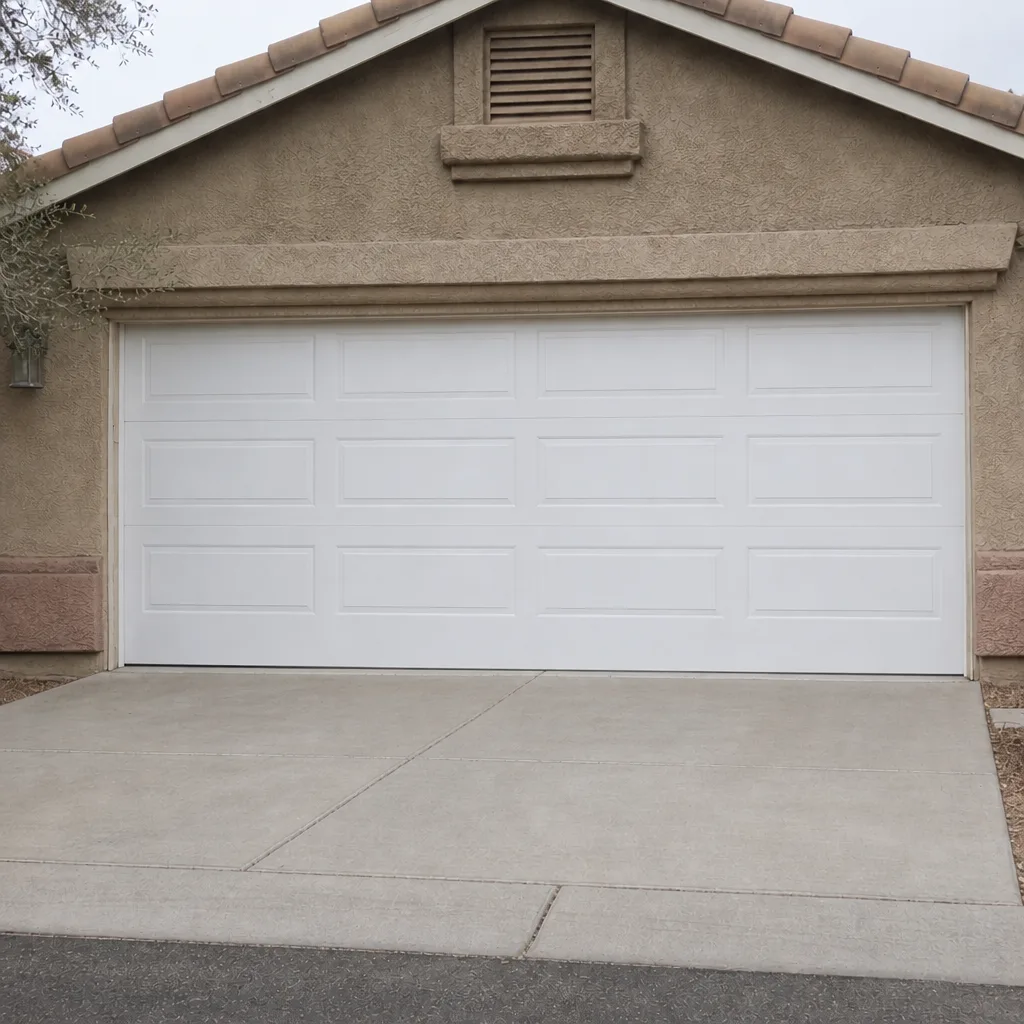 After
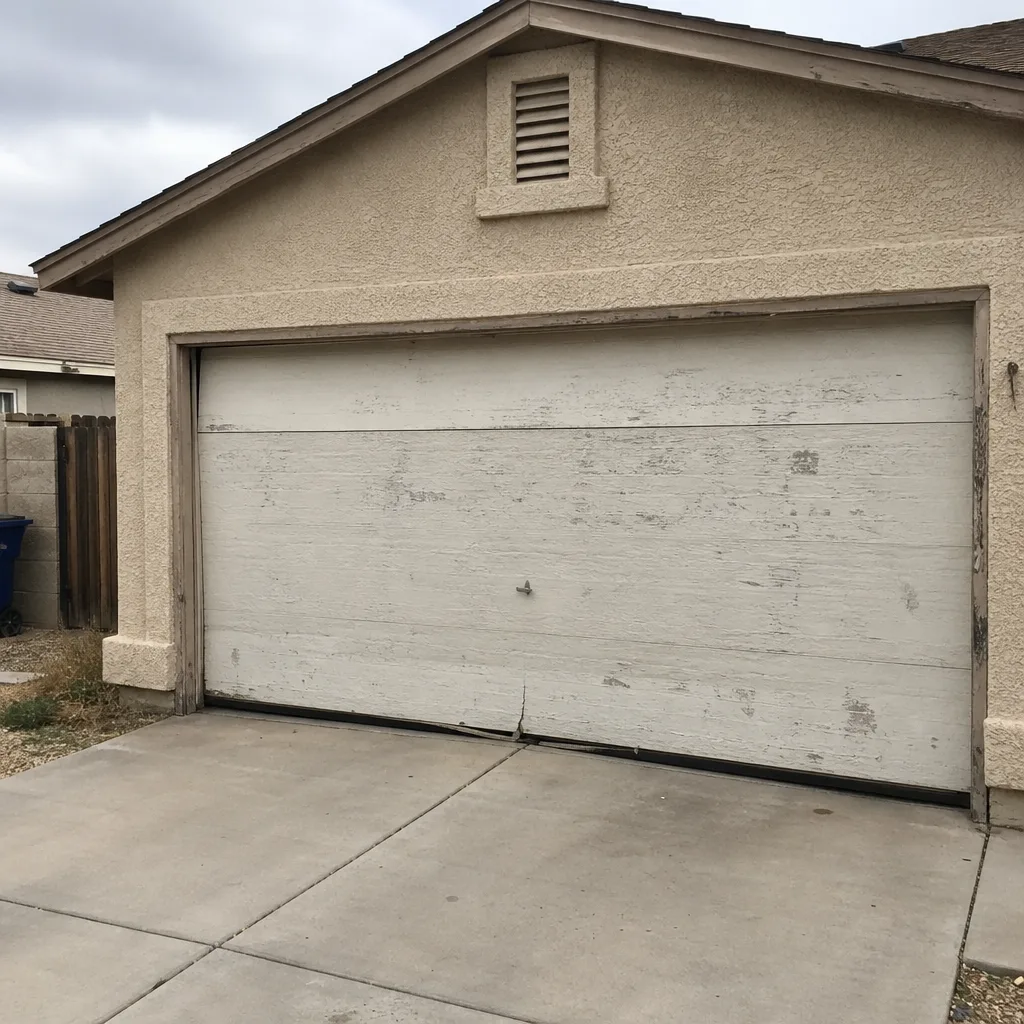 Before
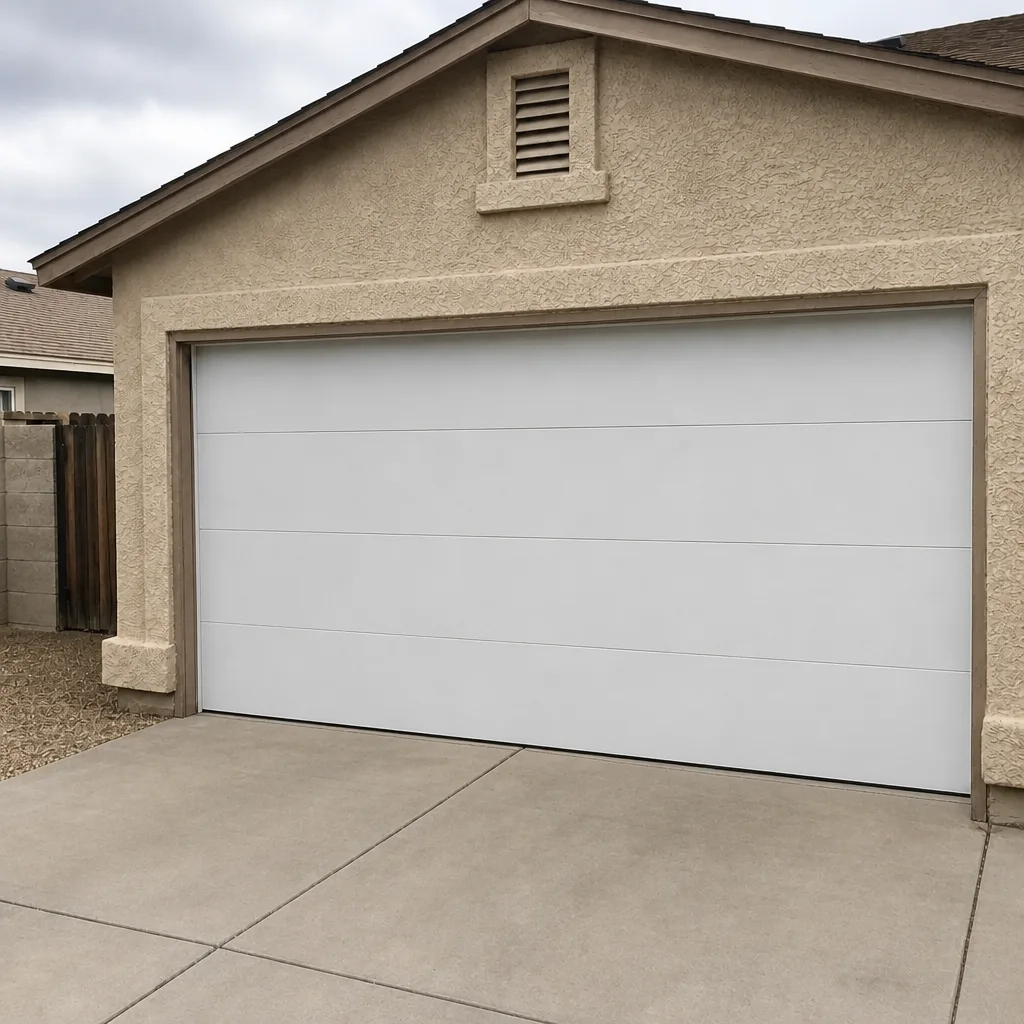 After
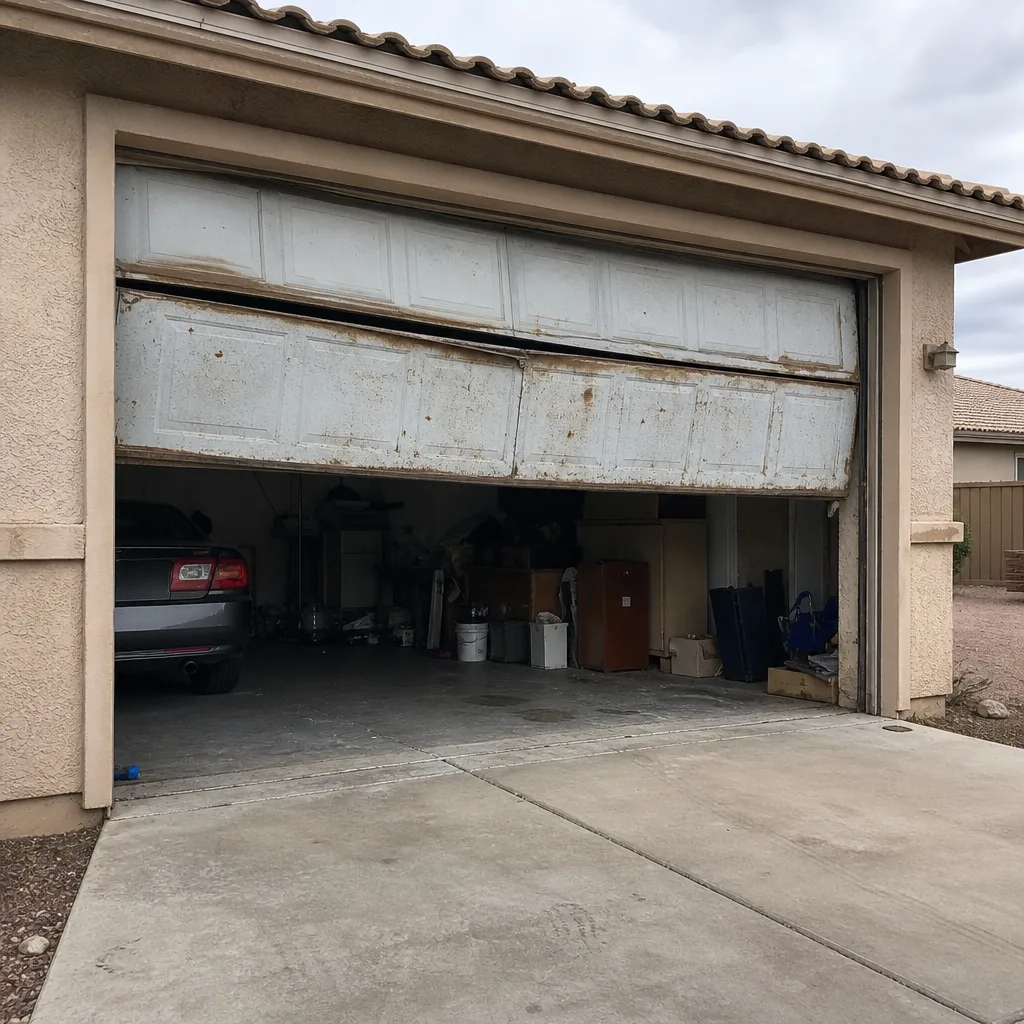 Before
 After
When to Call a Professional
Some situations always call for a professional, no exceptions. If you see a broken torsion spring, hear a loud bang from above the door, or notice a loose or wrapped cable, stop and call. If the door has come off its track, if a panel is visibly bent, or if the door won’t lift smoothly by hand after the manual release, that’s a professional job. If the opener hums but nothing moves, or the logic board beeps and flashes a code you can’t read, that’s a call. And if your door misbehaves repeatedly in summer heat and simple checks don’t fix it, a technician can tell you whether it’s a clearance issue, a weakened spring, or a force setting that needs correcting. Brightline Garage Door Repair offers free estimates in Buckeye. Call (833) 519-6766. We answer 24/7. Fast dispatch from 7am to 7pm, Sunday through Friday, and we’re closed on Saturday. The price is quoted and agreed before any work starts, so there are no surprises on the invoice.
Frequently Asked Questions
Extreme heat causes the metal door panels and tracks to expand, and the extra friction can trip the opener’s force limit, so the door reverses before it closes. It’s a Buckeye-specific factor that most national guides don’t mention. Fresh lubrication, a track clearance check, and a force-setting adjustment usually solve it. If the problem continues, call (833) 519-6766 for a free estimate.
No. Torsion springs are under enormous tension and adjusting or replacing them without the correct winding bars is genuinely dangerous. A trained technician is the only safe option for any spring work. Call (833) 519-6766 and we’ll take care of it, with a price quoted and agreed before any work starts.
A humming motor with a door that won’t move usually means a stripped gear or a worn drive belt inside the opener. It’s a drive-system failure and a professional repair. Don’t keep running the opener, since that can make it worse. Call (833) 519-6766 for an exact quote; estimates are free.
Each manufacturer uses its own status codes and reset sequences, so the fix for one brand often won’t match another. That’s why generic troubleshooting advice fails homeowners mid-repair. Note your opener’s brand and the code it’s showing, and a technician can read it in a single visit. Call (833) 519-6766 for a free estimate.
Not always. A loud grinding or squealing usually means failing rollers, a dry hinge, or a worn track, and ignoring it lets the damage spread to the opener. Fresh lubrication can fix a small noise, but a newly grinding or squealing door deserves a look. Call (833) 519-6766 for a free estimate.
Use the manual release to disconnect the opener, lift the door to about waist height, and let go. A balanced door stays put or drifts only slightly. If it drops fast or flies up on its own, the counterbalance system needs attention and the opener shouldn’t be used. Call (833) 519-6766 for a free estimate.
The Bottom Line
The fastest way to solve a garage door problem is to stop chasing the symptom and find the system underneath it. Every failure traces to one of four places: the counterbalance springs, the tracks and rollers, the opener’s drive system, or the safety sensors. Learn to read the door as a system and diagnosis shrinks to a handful of possibilities. In Buckeye, remember that heat is part of the equation, that metal expands, and that a door that only misbehaves in summer is telling you something. Do the balance test each season, keep the tracks dry, lubricate the moving parts, and know where your hard stops are. Anything touching spring tension or cables is a call to a professional, no exceptions. For everything else, a few checks and a free estimate will get you from stuck to sorted.
Garage doors are all we do. Whether you’ve got a Clopay panel that’s binding in the heat or a LiftMaster opener flashing a code you can’t read, one call covers repair, opener service, and full installation. Fast diagnosis, honest scope, correct fix, that’s our standard. Reach out to the team at Brightline Garage Door Repair and we’ll get your door working the way it should.
Written by the team at Brightline Garage Door Repair.